


What Is Sciatica? Causes, Symptoms & Treatment Options | Adelaide Chiropractor
What Is Sciatica? Causes, Symptoms and Treatment Explained
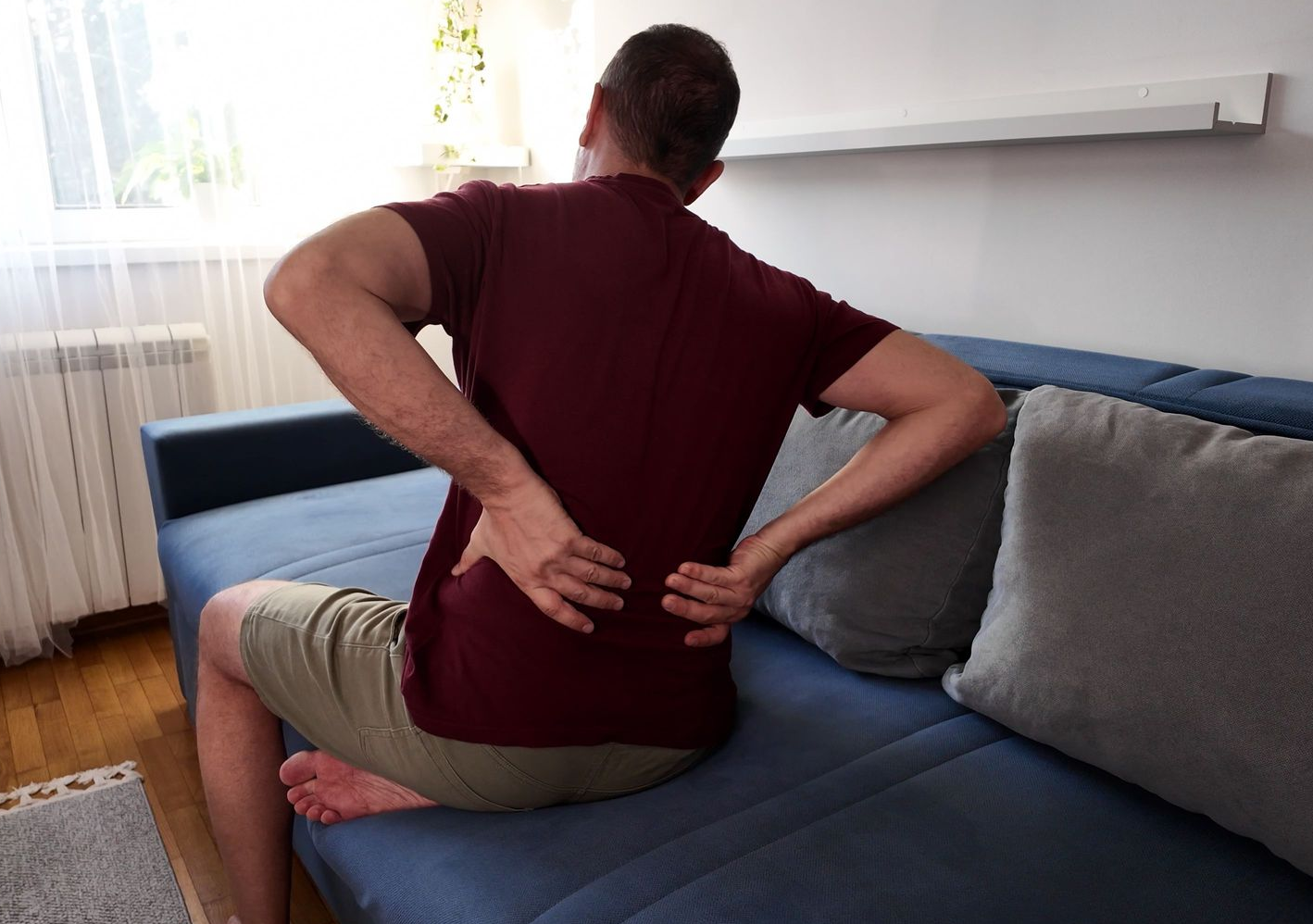
Sciatica is one of the most common causes of pain that travels from the lower back into the buttock, thigh, calf or foot.
While many people use the term “sciatica” to describe any leg pain, true sciatica occurs when the sciatic nerve becomes irritated, inflamed or compressed.
The condition can range from mild discomfort to severe pain that affects walking, sleeping, working and everyday activities.
Understanding what sciatica is, what causes it and the treatment options available can help you seek appropriate care and return to normal activities sooner.
What Is Sciatica?
Sciatica refers to symptoms caused by irritation or compression of the sciatic nerve.
The sciatic nerve is the largest nerve in the body and originates from the lower spine before travelling through the buttocks and down each leg.
When this nerve is affected, pain can radiate along its pathway, often causing symptoms in the buttock, thigh, calf and foot rather than only in the lower back.
Unlike a muscle strain or general lower back pain, sciatica involves nerve irritation, which is why symptoms often include tingling, numbness or weakness in addition to pain.
Where Is the Sciatic Nerve Located?
The sciatic nerve is formed by several nerve roots that exit the lumbar spine and sacrum.
These nerve roots join together in the pelvis before passing through the buttock and travelling down the back of the leg.
Because the nerve extends so far through the body, symptoms can occur in multiple areas, depending on which part of the nerve is affected.
Is Sciatica a Condition or a Symptom?
Sciatica is not a diagnosis itself. Rather, it is a symptom that indicates an underlying issue is affecting the sciatic nerve.
The focus of treatment is identifying and addressing the cause of nerve irritation rather than simply managing the symptoms.
What Does Sciatica Feel Like?

People experience sciatica differently, but common symptoms include:
- Pain radiating from the lower back into the buttock and leg
- Sharp, burning or electric-shock-like pain
- Tingling sensations in the leg or foot
- Numbness in parts of the leg
- Muscle weakness
- Difficulty standing from a seated position
- Increased pain when sitting for long periods
Many people notice symptoms affecting only one side of the body.
Does Sciatica Always Cause Back Pain?
Not necessarily. Some people experience severe leg pain with very little lower back discomfort.
In fact, the leg symptoms are often more significant than the back pain itself.
What Causes Sciatica?

Sciatica develops when the sciatic nerve or one of its nerve roots becomes irritated or compressed.
Several conditions can contribute to this process.
Herniated or Bulging Disc
One of the most common causes of sciatica is a disc injury in the lumbar spine.
A bulging or herniated disc can place pressure on nearby nerve roots, leading to pain, tingling or numbness that travels into the leg.
Degenerative Disc Changes
Degenerative Disc Changes: As we age, spinal discs naturally undergo wear and tear.
These changes can reduce the available space around nerves and contribute to sciatic symptoms.
Spinal Stenosis
Spinal stenosis occurs when the spaces within the spine become narrower.
This narrowing can place pressure on nerves and is a common cause of sciatica in older adults.
Piriformis Syndrome
The piriformis muscle is located deep within the buttock.
In some individuals, tension or dysfunction in this muscle may irritate the sciatic nerve and produce symptoms similar to sciatica.
Pregnancy
Pregnancy can increase stress on the lower back and pelvis due to weight changes, hormonal influences and postural adaptations.
Some pregnant women develop sciatic nerve irritation during pregnancy.
Injury or Trauma
Falls, sporting injuries, workplace injuries and motor vehicle accidents may contribute to inflammation or compression affecting the sciatic nerve.
Who Is Most Likely to Develop Sciatica?

Several factors may increase the likelihood of developing sciatica:
- Prolonged sitting
- Physically demanding occupations
- Repetitive lifting
- Poor posture
- Sedentary lifestyle
- Reduced core strength
- Previous back injuries
- Age-related spinal changes
Having one or more risk factors does not guarantee you will develop sciatica, but it may increase susceptibility.
How Is Sciatica Diagnosed?
A comprehensive assessment is important because several conditions can mimic sciatica.
A chiropractor will typically assess:
- Symptom history
- Pain patterns
- Neurological function
- Reflexes
- Muscle strength
- Joint mobility
- Movement patterns
In some cases, imaging such as MRI may be recommended if symptoms are severe, progressive or not responding as expected.
When Should You Seek Urgent Medical Attention?
Although uncommon, urgent assessment is recommended if sciatica is accompanied by:
- Loss of bladder or bowel control
- Significant leg weakness
- Numbness in the groin or saddle area
- Symptoms following major trauma
These symptoms may indicate a more serious condition requiring immediate medical evaluation.
How Is Sciatica Treated?
Treatment depends on the underlying cause, severity of symptoms and individual circumstances.
Many people improve with conservative, non-surgical care.
Chiropractic Care
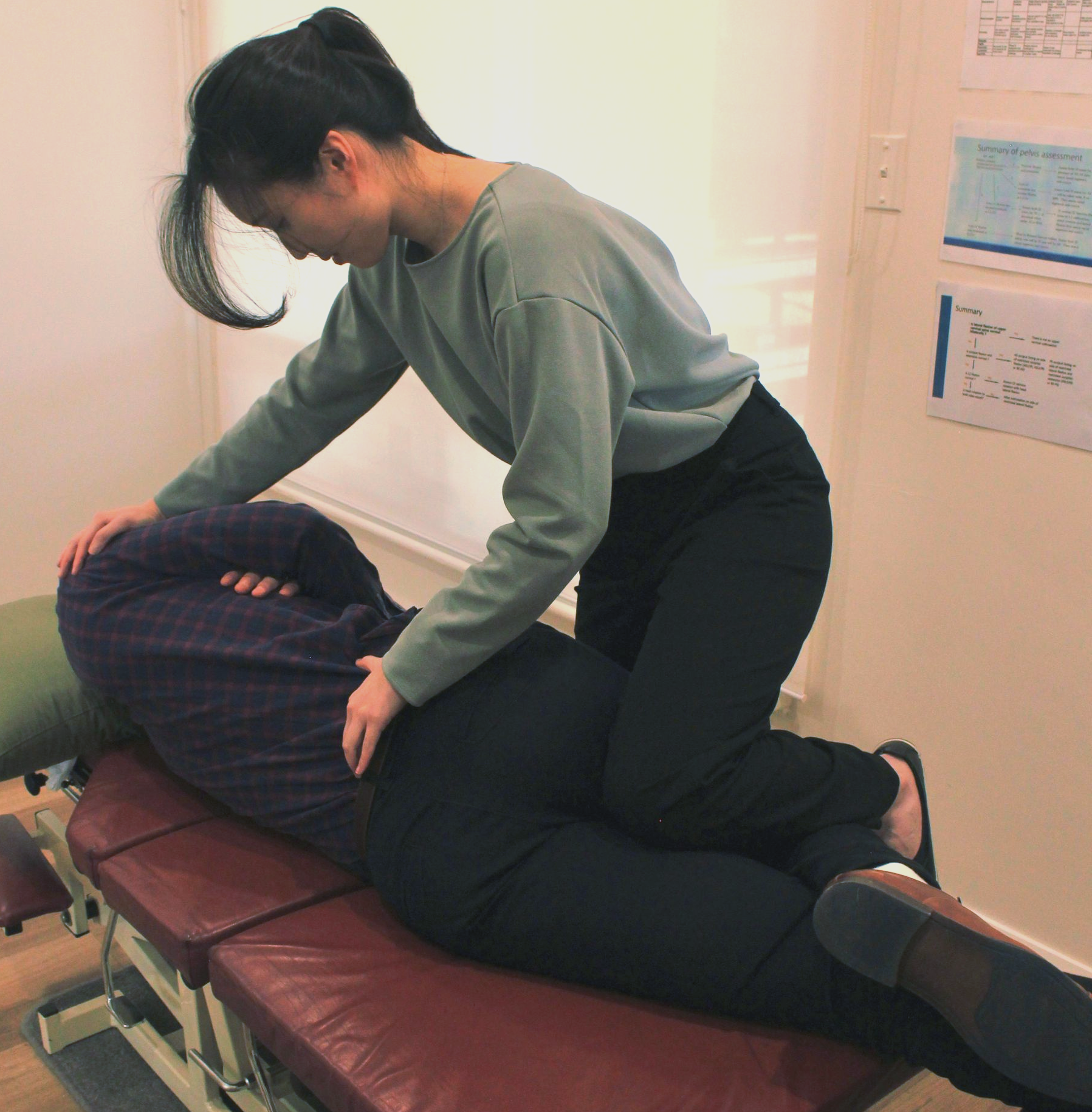
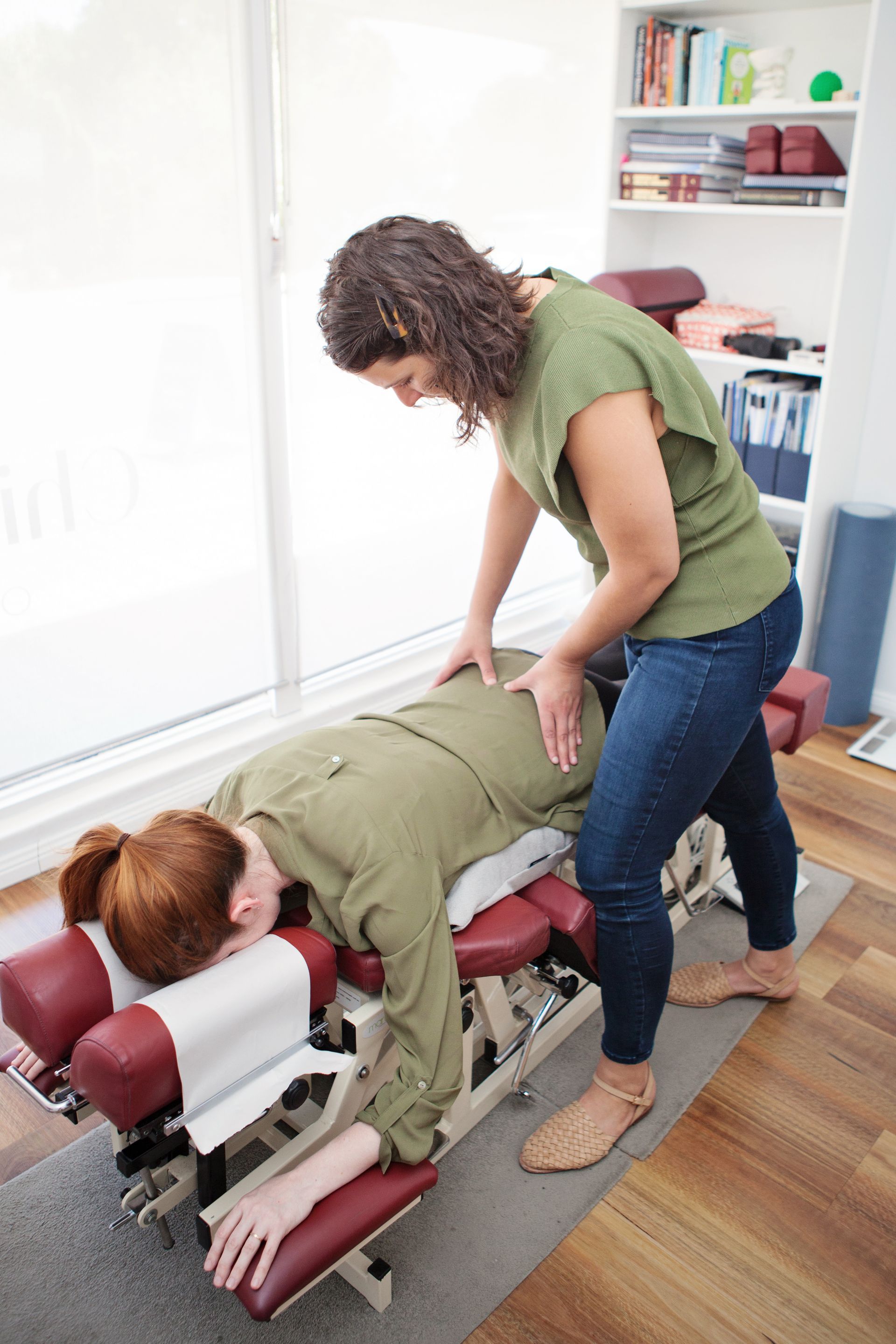
Chiropractic management may involve:
- Spinal adjustments where appropriate
- Joint mobilisation
- Soft tissue therapy
- Postural assessment
- Movement advice
- Rehabilitation exercises
The goal is to improve function, reduce irritation affecting the nervous system and support long term recovery.
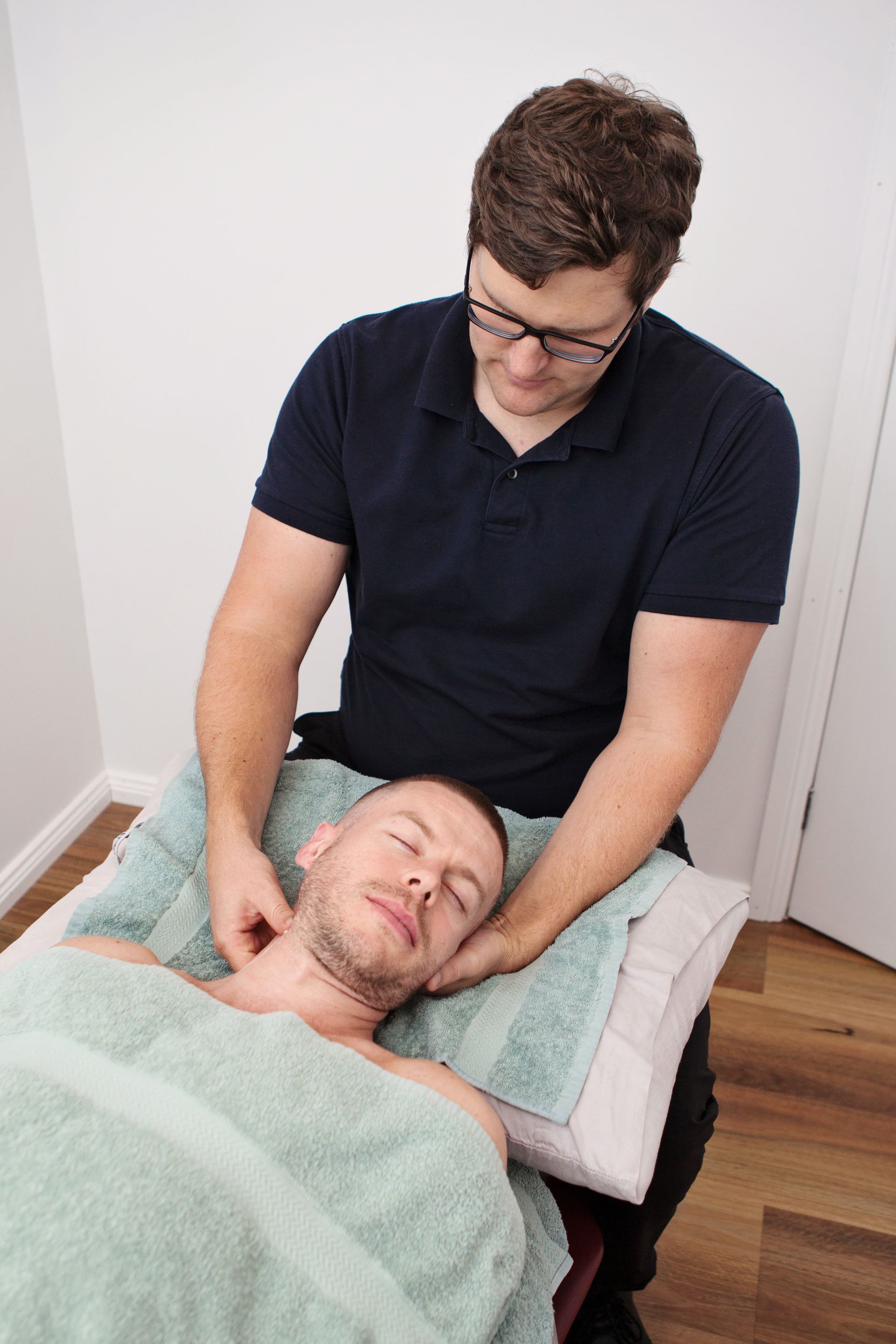
Remedial Massage

Muscle tension around the lower back, hips and buttocks may contribute to discomfort and movement restrictions.
Remedial massage may help address soft tissue dysfunction as part of a broader treatment plan.
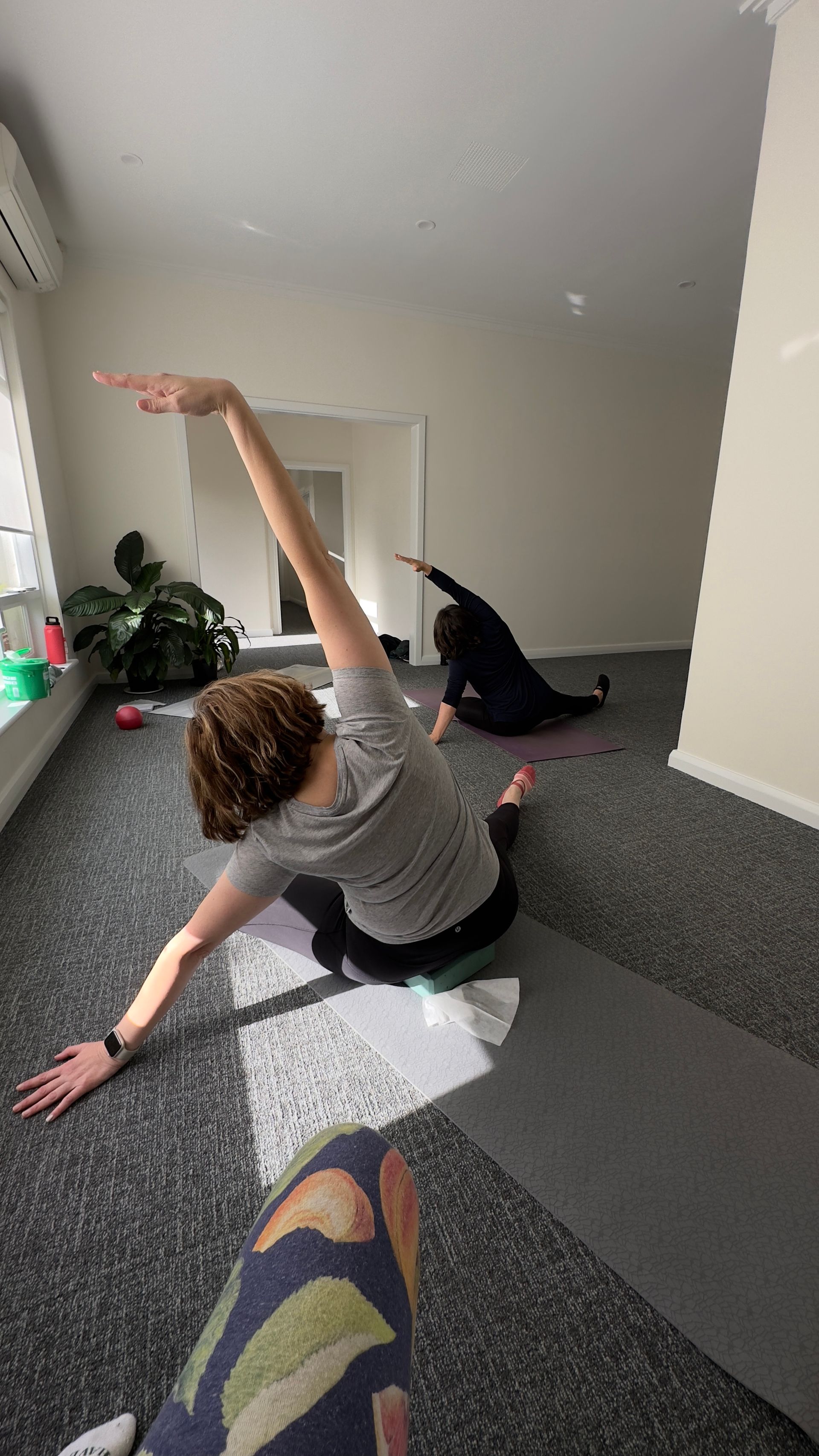
Exercise Rehabilitation
Targeted exercises can help improve:
- Core stability
- Mobility
- Flexibility
- Strength
- Movement control
A tailored exercise program is often an important component of recovery.
Lifestyle and Ergonomic Advice
Small changes in sitting habits, workstation setup, lifting technique and activity levels may help reduce ongoing stress on the lower back and pelvis.
Can Sciatica Go Away on Its Own?
In some cases, symptoms may improve naturally over time.
However, recurring episodes can occur if contributing factors are not addressed.
Early assessment may help identify the source of symptoms and guide appropriate management before the problem becomes more persistent.
Sciatica Treatment in Adelaide

If you are experiencing pain, tingling, numbness or weakness that travels from your lower back into your leg, an assessment can help determine whether sciatica is contributing to your symptoms.
At Chiropractic on Winston, we provide comprehensive assessments and personalised treatment plans designed to identify the underlying cause of sciatic nerve irritation and help you return to your normal activities with confidence.
Book an appointment to learn more about your treatment options and whether chiropractic care may be appropriate for your situation.
Frequently Asked Questions About Sciatica
Is walking good for sciatica?
Walking is often well tolerated and may help some individuals remain active. However, the best approach depends on the cause and severity of symptoms.
Can sciatica affect both legs?
Sciatica most commonly affects one side, but certain spinal conditions can cause symptoms in both legs.
How long does sciatica last?
The duration varies considerably. Some cases improve within weeks, while others require ongoing management depending on the underlying cause.
Can a chiropractor help with sciatica?
A chiropractor can assess the cause of symptoms and provide conservative treatment aimed at improving function, mobility and overall recovery.