



10 Interesting Pregnancy Nutrition Tips Every Mum To Be Should Know
10 Interesting Food & Nutrition Tips During Pregnancy

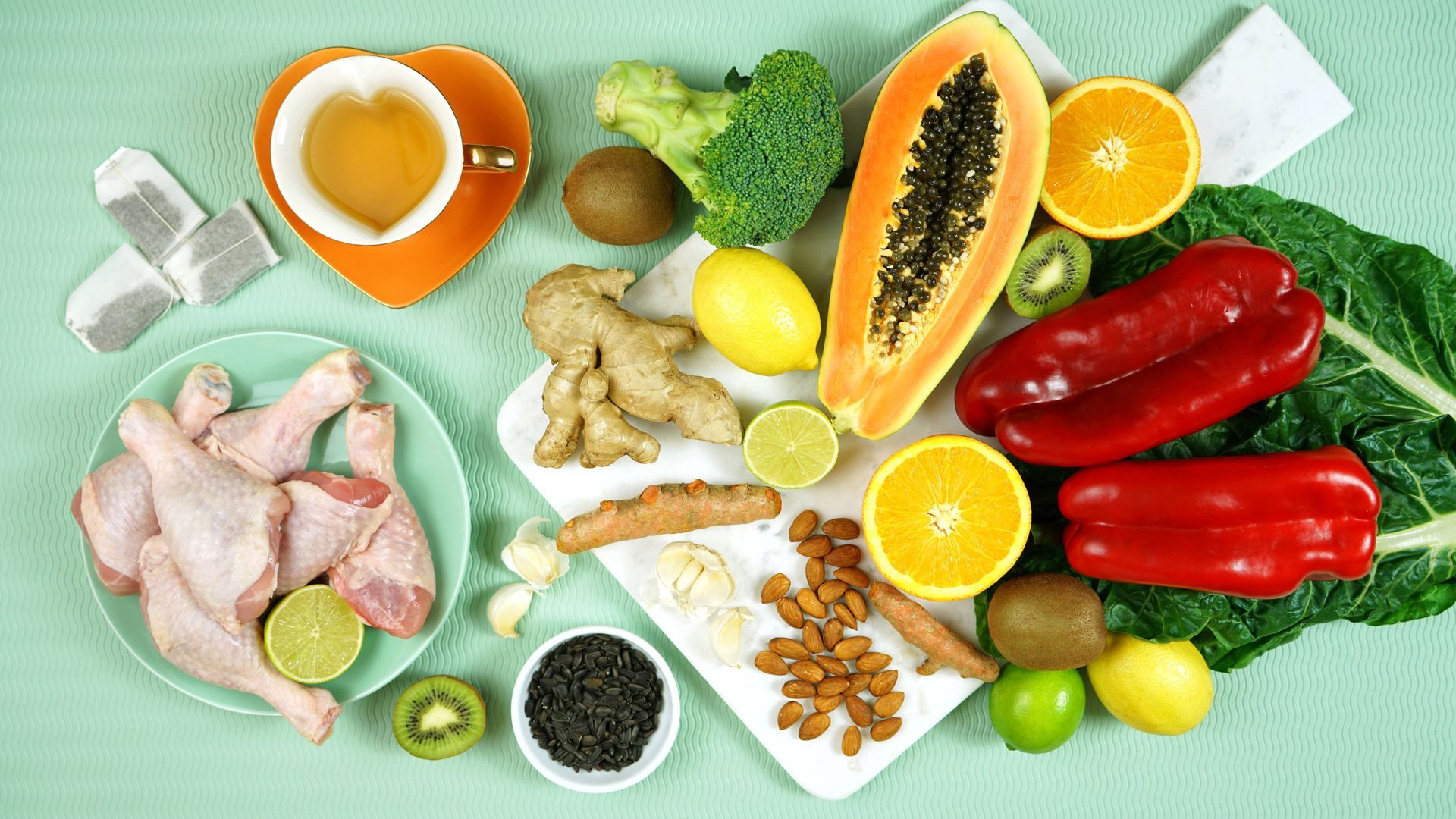
Why Nutrition Matters During Pregnancy
Discover 10 important pregnancy nutrition tips covering protein, calcium, omega-3s, folic acid, vitamin K, sugar cravings, swelling, and healthy eating habits to support both mum and baby during pregnancy.
Learn how proper nutrition supports maternal health, baby development, immune function, and energy levels during pregnancy.
1. Swelling During Pregnancy May Be Linked to High Salt Intake
If you notice swelling in areas like your feet, legs, or fingers, it may be worth looking at your salt intake.
When salt levels are too high, the body tends to hold onto water in an effort to restore balance.
Foods That Commonly Contain Excess Salt
- Fast food
- Processed foods
- Sauces and packaged snacks
How Reducing Salt May Help Fluid Retention
Consuming too much salt can cause the body to retain excess water, which may contribute to swelling in the feet, legs, hands, and ankles during pregnancy.
Reducing highly processed and salty foods may help support healthy fluid balance and improve overall comfort. See how we can help with Pregnancy and Chiropractic Care
2. Sugar Cravings Could Signal Low Protein Intake
Frequent cravings for sugary foods can sometimes point to a lack of protein in the diet.
During pregnancy, aiming for around 60g of protein daily can help support both you and your growing baby.
Try including a mix of animal proteins and plant-based options like beans and legumes.
Why Protein Is Important During Pregnancy
Protein plays an essential role in your baby’s growth and development while also supporting your own muscles, energy levels, and immune function during pregnancy.
Including enough quality protein each day can help support healthy pregnancy outcomes and reduce excessive sugar cravings.
Healthy Protein Sources for Pregnant Women
- Eggs
- Lean meats
- Greek yoghurt
- Beans and legumes
3. Excess Sugar Can Affect Immunity and Nutrient Absorption
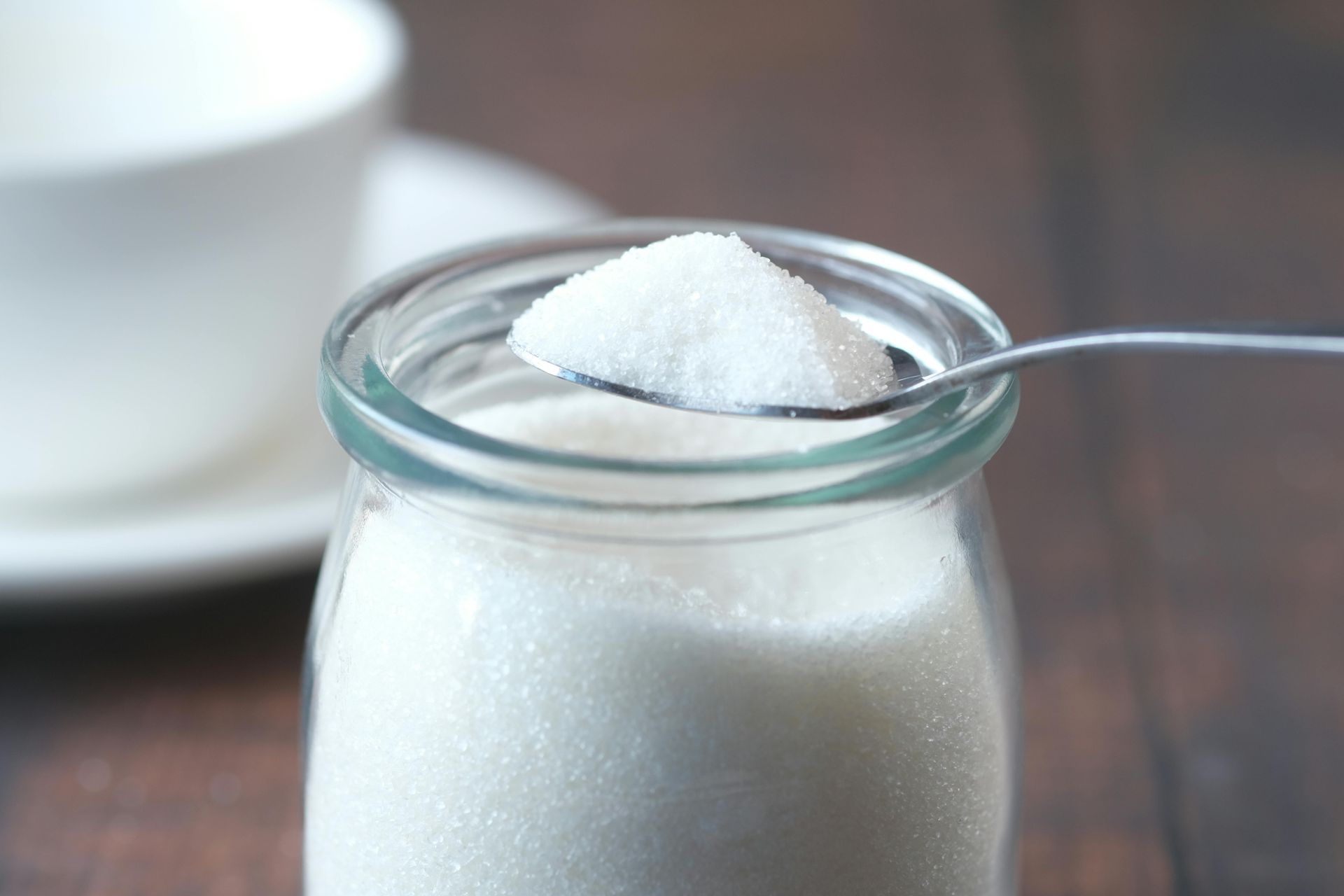
High sugar intake can weaken the immune system and also interferes with vitamin C absorption. Supporting your body with nutrients like vitamin E and chromium (commonly found in whole grains) may help reduce sugar cravings.
The Relationship Between Sugar and Vitamin C
High sugar intake may interfere with the body’s ability to effectively use vitamin C, an important nutrient that supports immune health and overall wellbeing during pregnancy.
Reducing added sugars and focusing on whole foods may help support better nutrient absorption and immune function.
Nutrients That May Help Reduce Sugar Cravings
- Chromium
- Vitamin E
- Whole grains
4. Folic Acid and Zinc Play a Critical Role in Baby Development
Folic acid supports DNA, cell growth, and development, while zinc is essential for brain development and may help reduce the risk of birth defects.
Oral contraceptives can deplete both, so it’s important to restore these nutrients before trying to conceive. Levels can also be affected by alcohol, antibiotics, sugar, and stress.
Why Folic Acid Is Important Before and During Pregnancy
Folic acid plays a vital role in healthy cell growth, DNA formation, and your baby’s early development.
Adequate folic acid intake before conception and throughout pregnancy may help support healthy brain and spinal cord development and reduce the risk of certain birth defects.
Zinc and Brain Development
Zinc is an essential mineral that supports healthy brain function, nervous system development, and overall growth during pregnancy.
Maintaining healthy zinc levels may help support your baby’s cognitive development and contribute to a healthy pregnancy.
See how chiropractic care supports you during and after pregnancy pregnancy chiropractor adelaide
5. Calcium Sources Aren’t Limited to Dairy
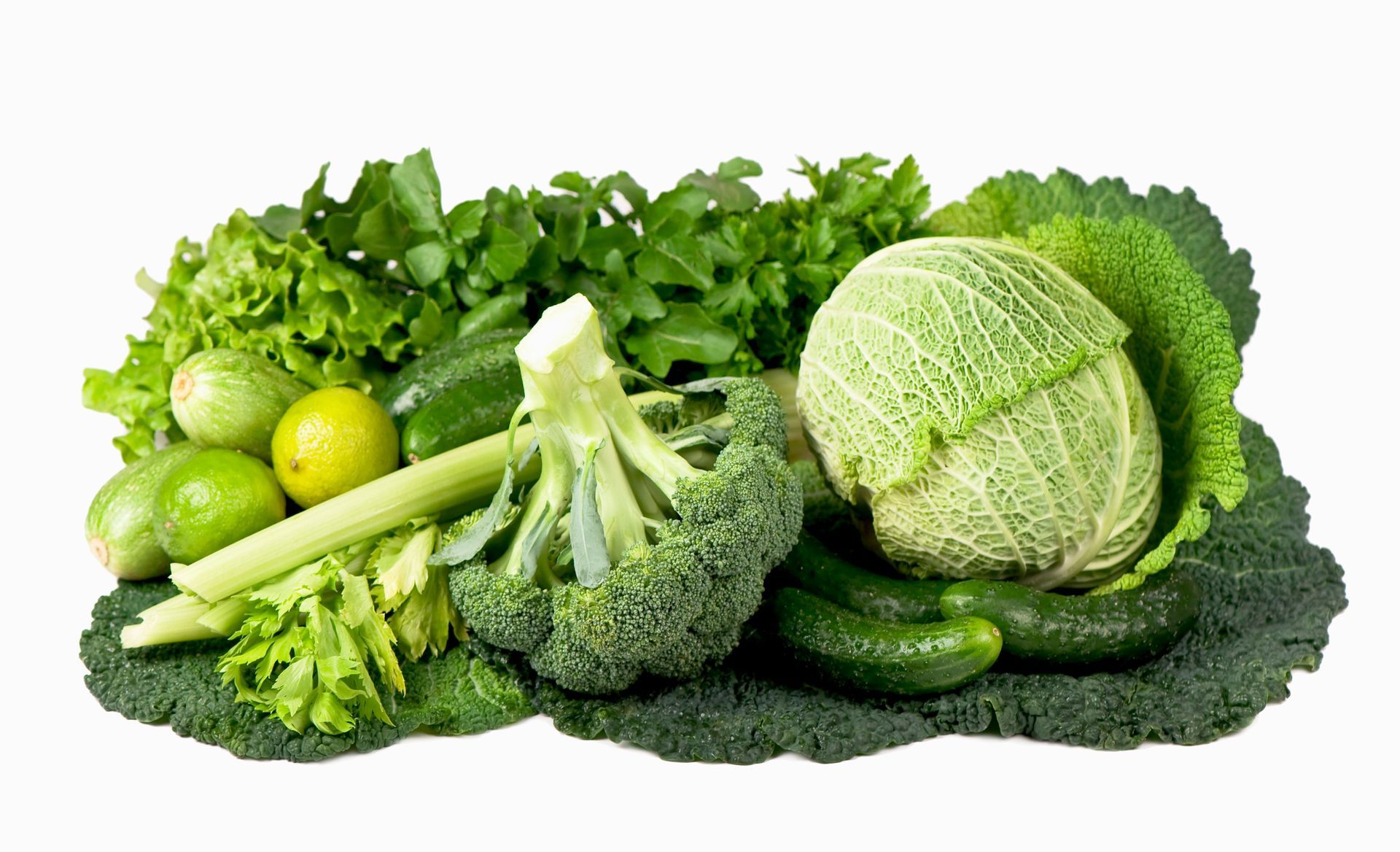
When it comes to calcium, it’s not necessarily dairy. Pasteurised cow’s milk isn’t always the most easily absorbed source.
Instead, calcium from organic fruits and leafy greens like parsley, broccoli, and spinach may be better utilised by the body.
Is Dairy Always the Best Calcium Source?
While dairy products are commonly associated with calcium, they are not the only option for supporting healthy calcium intake during pregnancy.
Leafy greens, seeds, legumes, and other whole foods can also provide valuable sources of calcium that may be well utilised by the body
Plant-Based Calcium Sources During Pregnancy
- Broccoli
- Spinach
- Parsley
6. Choosing the Right Yoghurt During Pregnancy
Good quality yoghurt can be a valuable option, often containing more calcium than milk, along with B vitamins such as B2 and B12, and small amounts of folic acid.
Just be mindful to check labels and avoid highly processed versions that are high in added sugars.
Benefits of Natural Yoghurt
Natural yoghurt can be a nourishing addition to a pregnancy diet, providing calcium, protein, beneficial probiotics, and important B vitamins that support both maternal health and your baby’s development.
Avoiding Added Sugars and Highly Processed Products
Choosing minimally processed foods and yoghurts without added sugars may help support stable energy levels, healthy digestion, and better overall nutrition during pregnancy.
7. Foods and Habits That Can Reduce Calcium Levels
Calcium levels can also be affected by certain dietary factors, including caffeine, alcohol, excess sugar and salt, refined carbohydrates, processed foods, and high intake of red meat.
The Effects of Sugar, Salt, and Caffeine
Excess sugar, salt, and caffeine may affect the body’s natural nutrient balance and can contribute to dehydration or reduced calcium levels during pregnancy. Focusing on moderation and whole foods may help support overall wellbeing.
Why Whole Foods Matter During Pregnancy
Whole foods provide a rich source of essential nutrients without unnecessary additives, helping to support healthy growth, steady energy, and overall wellbeing for both mum and baby throughout pregnancy.
8. Vitamin K and Pregnancy Health
Vitamin K is essential for proper blood clotting and becomes especially important in preparation for labour.
Low levels may increase the risk of complications such as haemorrhage or miscarriage. It’s also worth noting that vitamin K can be depleted by antibiotics, aspirin, radiation, and X-rays.
Why Vitamin K Supports Healthy Blood Clotting
Vitamin K is essential for normal blood clotting, helping the body manage bleeding and support healing processes. Adequate levels during pregnancy may contribute to safer delivery and overall maternal health.
Factors That May Lower Vitamin K Levels
Certain medications, medical treatments, and lifestyle factors can reduce vitamin K levels in the body, potentially affecting its role in blood clotting and overall pregnancy health.
9. Omega-3 Healthy Fats Support Baby Brain Development
Healthy fats, particularly omega-3s, support immune function, help protect against infections, and are crucial for your baby’s brain development.
Studies have shown that children whose mothers had adequate DHA intake during pregnancy and breastfeeding performed better in cognitive tests later in childhood.
Benefits of DHA During Pregnancy
DHA, an essential omega-3 fatty acid, supports your baby’s brain, eye, and nervous system development while also helping to maintain healthy immune function and overall wellbeing during pregnancy.
Foods Rich in Omega-3 Fatty Acids
Omega-3s can be found in foods like oily fish like salmon and sardines, flaxseeds, chia seeds, and walnuts, providing essential fats that support your baby’s brain development and overall pregnancy health.
See more on our Pregnancy Birth Preparation Chiropractor Adelaide page
10. Why Pregnant Women Should Minimise Plastic Drink Bottles
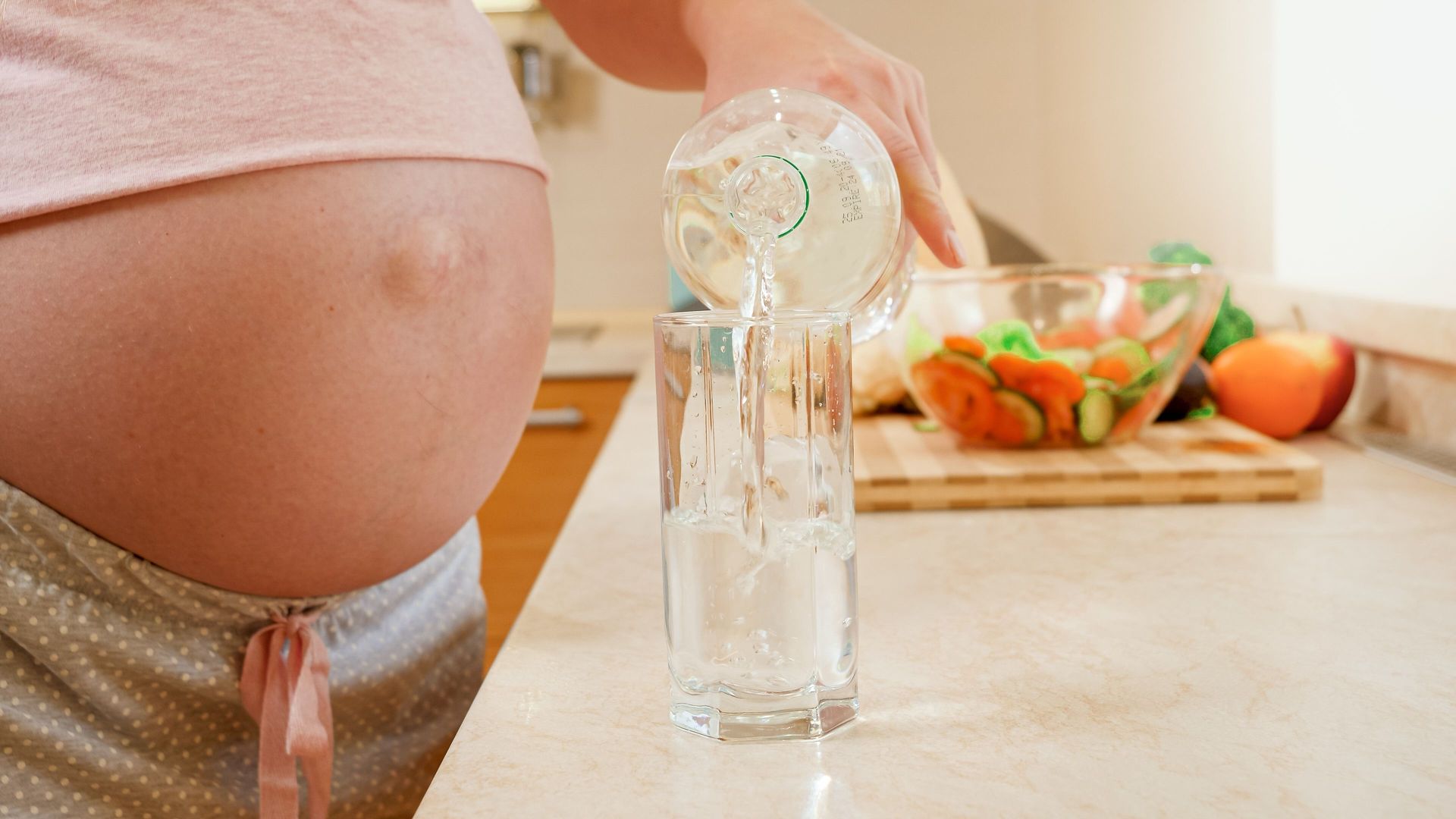
Minimise the use of plastic drink bottles. Chemicals like Bisphenol A (BPA), commonly found in certain plastics and food can linings, can act as toxins in the body.
What Is BPA?
BPA (Bisphenol A) is a chemical commonly found in certain plastics and food containers that can leach into food or drinks, and limiting exposure during pregnancy may help support overall health and wellbeing.
Safer Alternatives to Plastic Bottles
Choosing BPA-free bottles made from glass or stainless steel can help reduce exposure to harmful chemicals and provide a safer hydration option during pregnancy.
Supporting Your Pregnancy Journey Naturally

Supporting a healthy pregnancy is about more than just one aspect of care, it involves a balanced approach that includes nourishing foods, proper hydration, gentle movement, and adequate rest.
Together, these habits help maintain energy levels, support your baby’s development, and promote overall wellbeing throughout each stage of pregnancy.
Alongside lifestyle choices, professional pregnancy support can play an important role in addressing physical changes, improving comfort, and guiding you through a healthier, more confident pregnancy journey.
Book an Appointment or learn more about pregnancy chiropractic care.
Webster Technique Chiropractor Adelaide