


Can a Chiropractor Help Sciatica? Treatment, Benefits & When to Seek Care | Chiropractic On Winston
Can a Chiropractor Help Sciatica? Everything You Need to Know

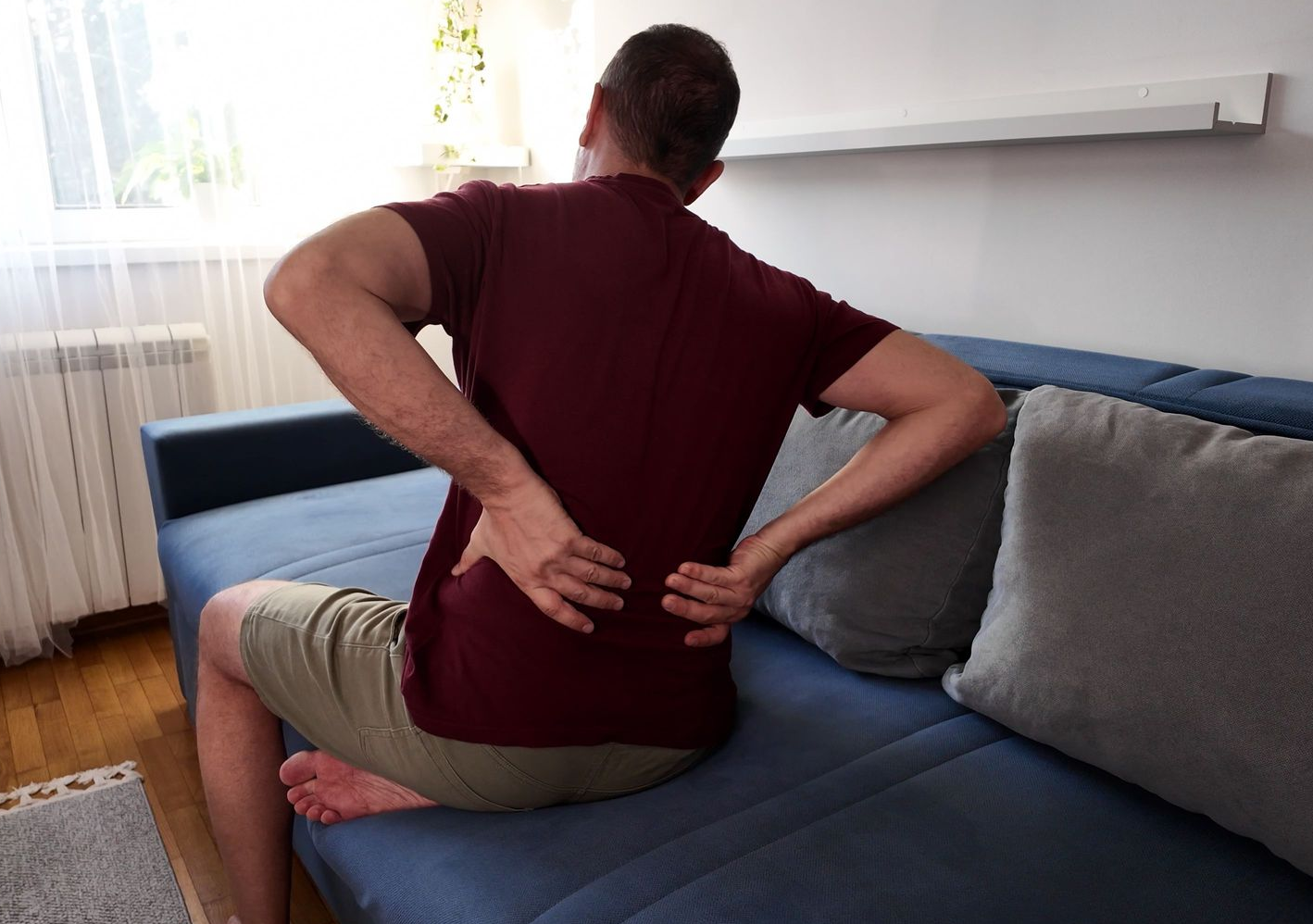
Sciatica is one of the most common causes of lower back and leg pain, affecting people of all ages and activity levels.
Whether your pain started after lifting something heavy, sitting for long periods, or developed gradually over time, sciatica can significantly impact your daily life.
One of the most common questions we hear at Chiropractic On Winston is, “Can a chiropractor help sciatica?”
The answer is that chiropractic care may help many people with sciatica by identifying the underlying cause of their symptoms and providing a personalised treatment plan designed to improve movement, reduce irritation of affected structures, and support recovery.
The most appropriate treatment depends on the underlying cause of the pain, and some people may also require medical assessment or co-managed care.
In this guide, we’ll explain what sciatica is, its common causes, how chiropractic care may help, and when you should seek professional assessment.
What is Sciatica?
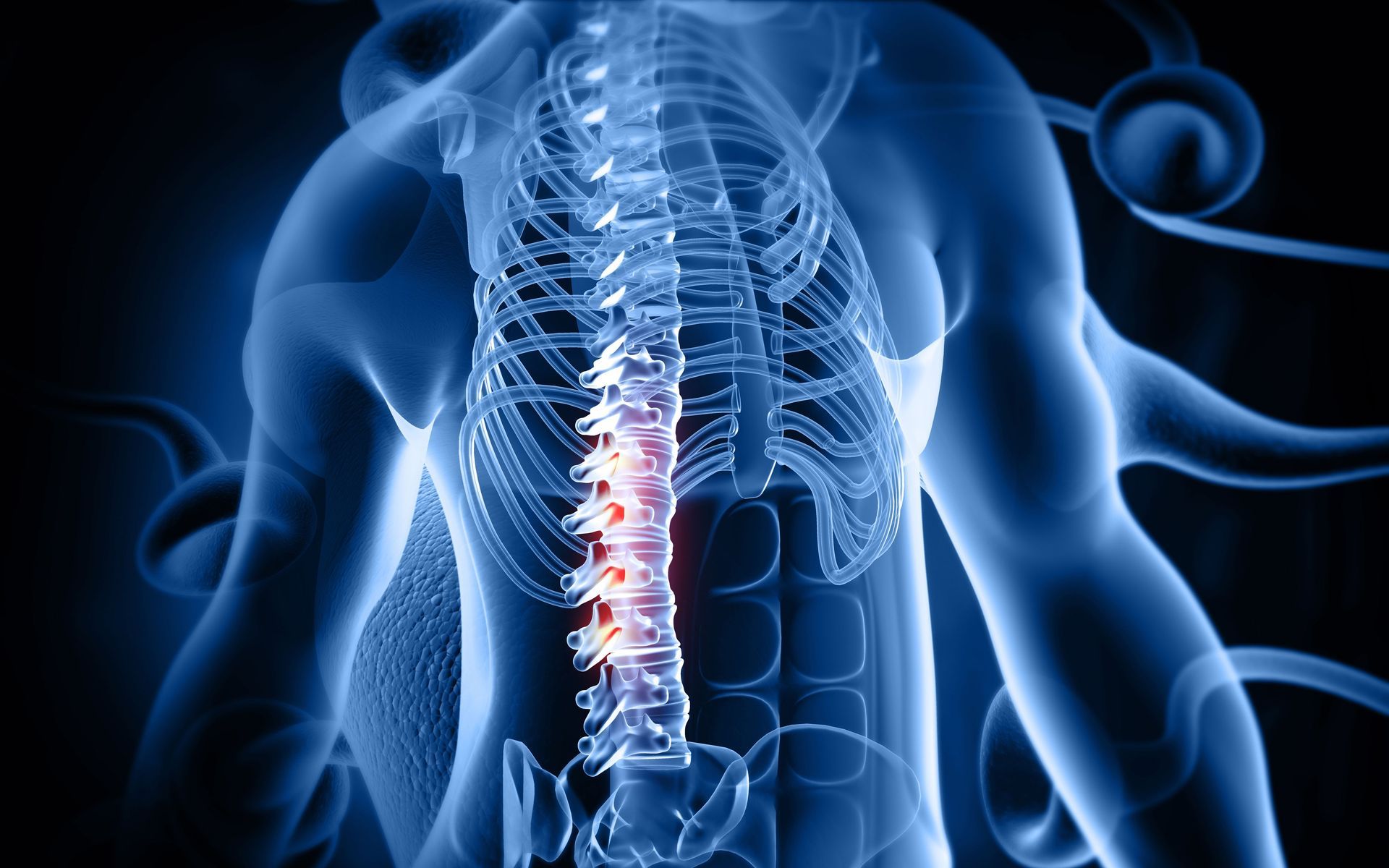
Sciatica is not a condition itself but a collection of symptoms caused by irritation or compression of the sciatic nerve.
The sciatic nerve is the largest nerve in the body, beginning in the lower spine, passing through the buttocks, and travelling down the back of each leg to the feet. When this nerve becomes irritated, pain can radiate from the lower back into the buttock, thigh, calf, or foot.
Symptoms vary from mild discomfort to severe pain that limits everyday activities.
Common Symptoms of Sciatica
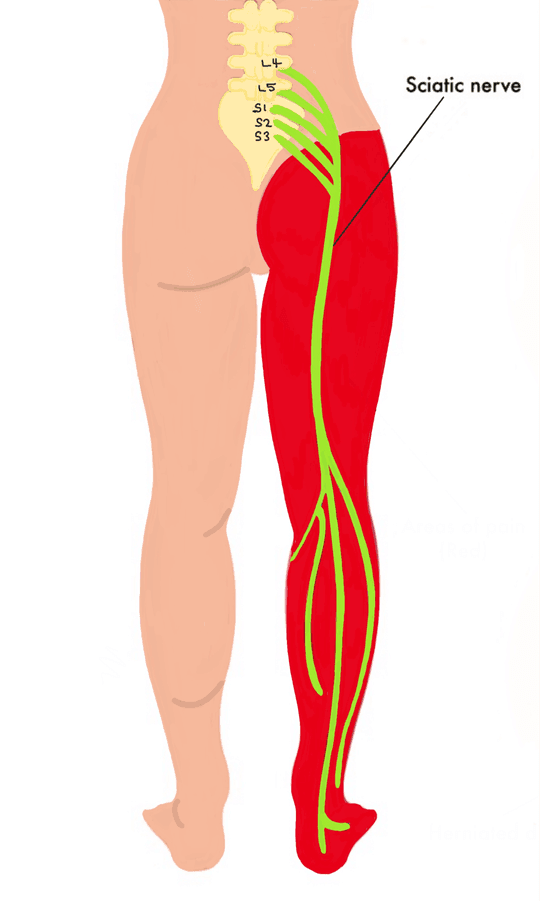
Symptoms may include:
- Sharp or burning pain down one leg
- Lower back pain
- Buttock pain
- Tingling or “pins and needles”
- Numbness in the leg or foot
- Muscle weakness
- Pain when standing or walking
- Increased pain after prolonged sitting
Most people experience symptoms on only one side of the body.
What Causes Sciatica?
Sciatica has several possible causes. Identifying the underlying cause is essential because treatment should target the source of the irritation rather than simply managing symptoms.
Common causes include:
Herniated Disc
A herniated or slipped disc occurs when the soft centre of a spinal disc pushes through its outer layer, placing pressure on nearby nerve roots.
Bulging Disc
A bulging disc can narrow the space available for spinal nerves, contributing to irritation.
Spinal Stenosis
Spinal stenosis refers to narrowing of the spinal canal, often related to age-related changes.
Degenerative Disc Disease
DDD, As spinal discs naturally age, they lose hydration and flexibility, which may contribute to nerve irritation.
Piriformis Syndrome
The piriformis muscle in the buttock can sometimes irritate the sciatic nerve, producing symptoms similar to true sciatica.
Pregnancy
Changes in posture, weight distribution, and pelvic mechanics during pregnancy can occasionally contribute to sciatic nerve irritation.
Injury or Trauma
Falls, sporting injuries, repetitive lifting, or workplace injuries may contribute to sciatica symptoms.
Can a Chiropractor Help Sciatica?
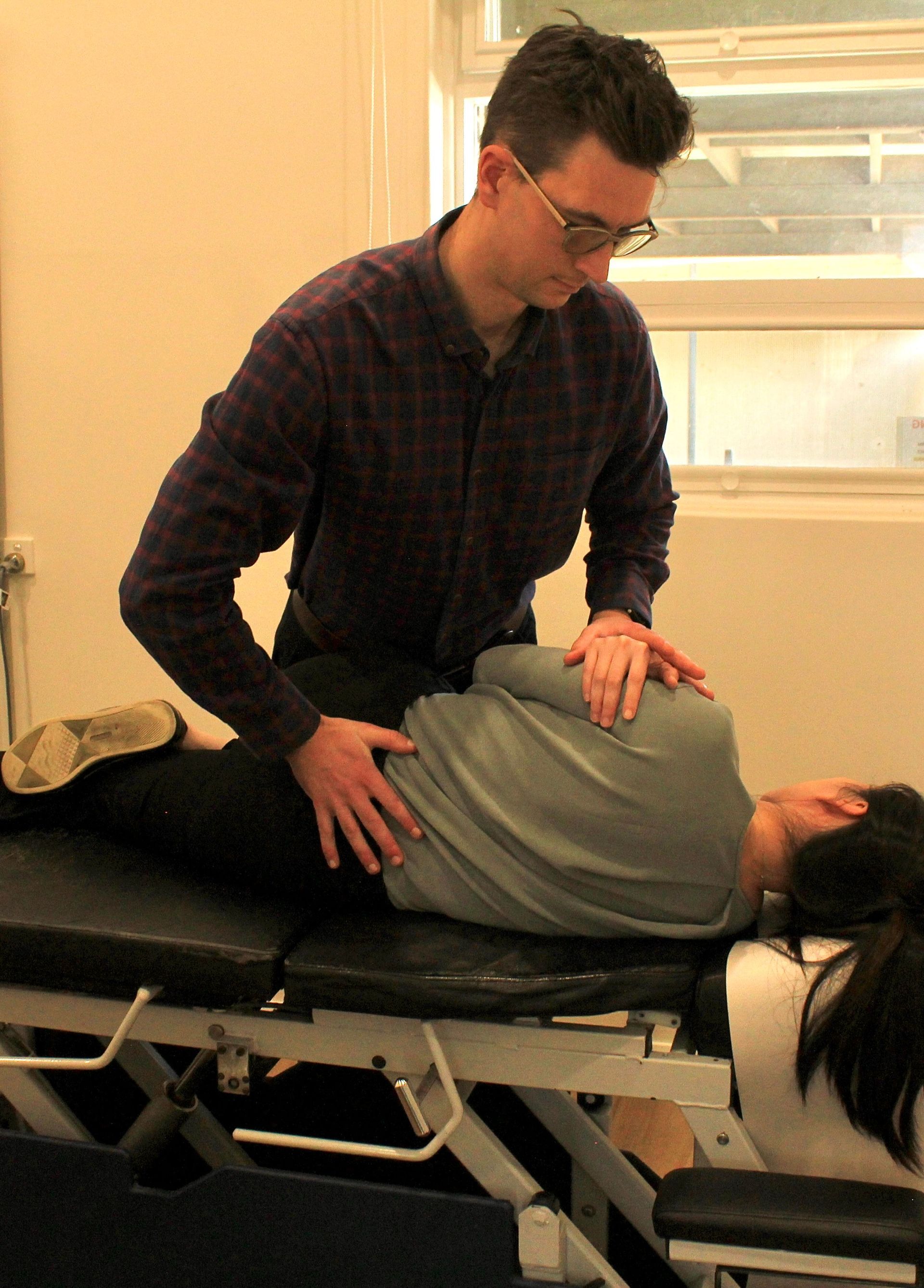
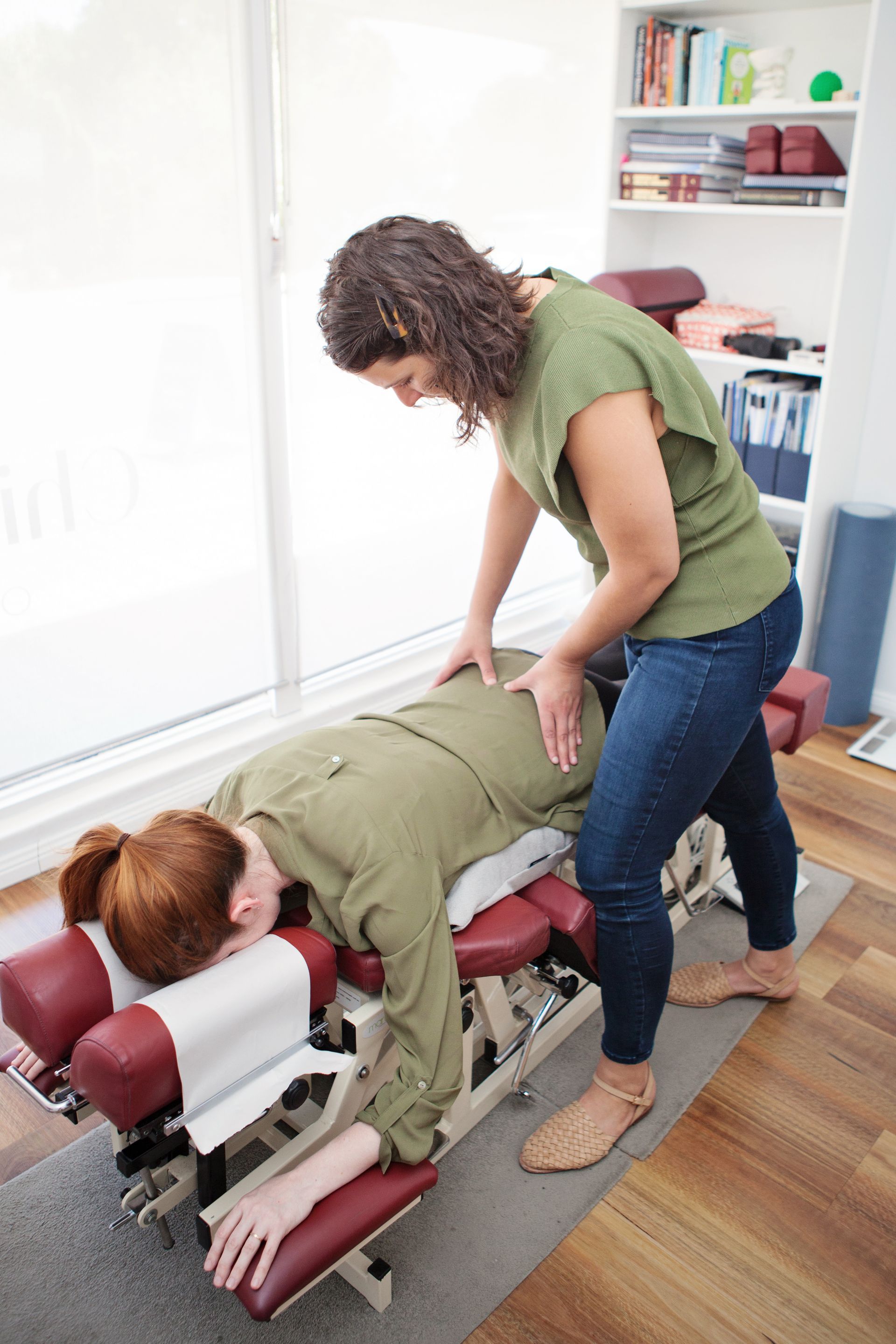
For many people, chiropractic care may help manage sciatica by improving spinal function, restoring movement, and reducing mechanical stress affecting the nervous system.
Every patient is different. A chiropractor performs a comprehensive assessment to determine the likely source of symptoms before recommending treatment.
Depending on your presentation, chiropractic care may include:
- Spinal adjustments where clinically appropriate
- Joint mobilisation
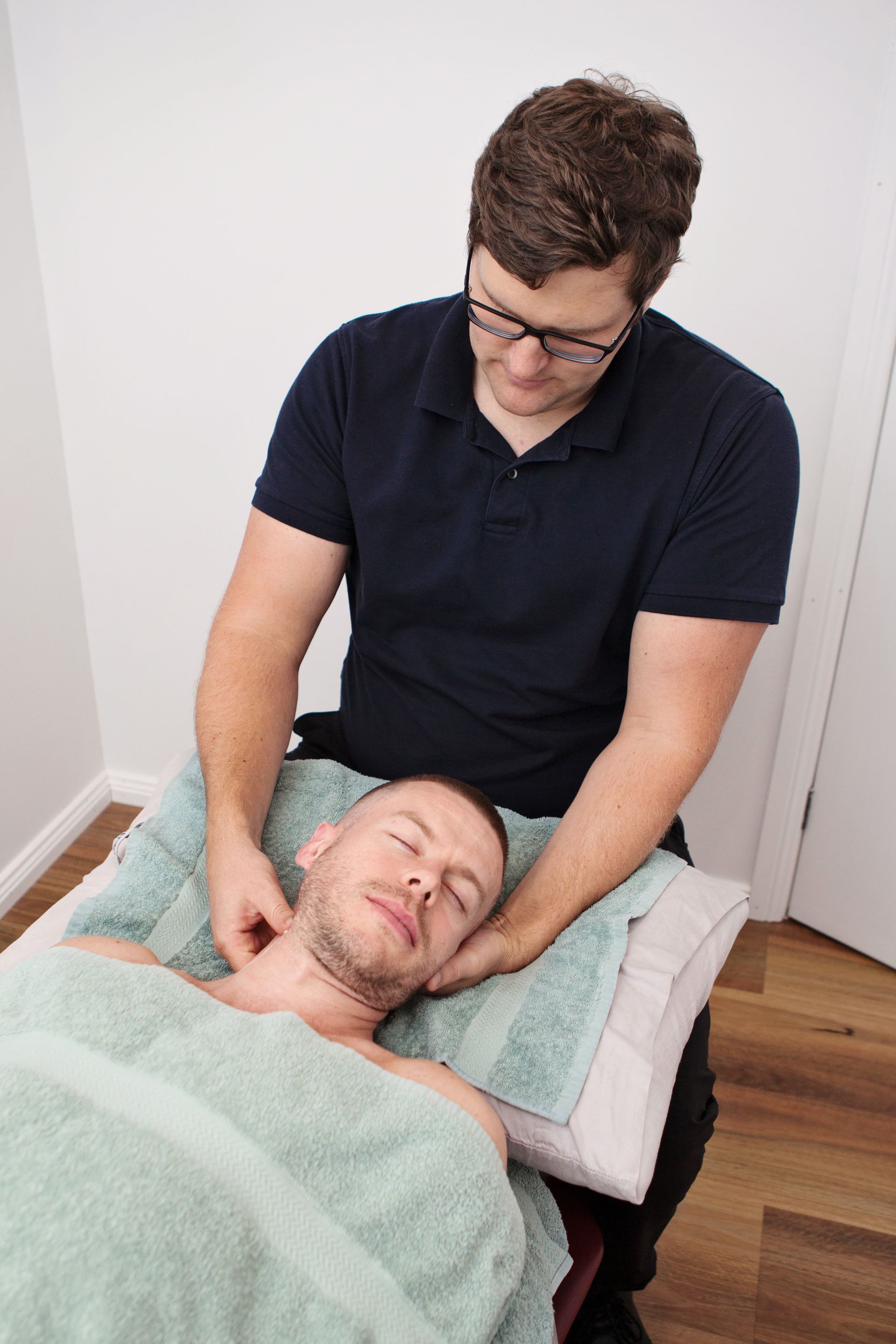
- Soft tissue therapy
- Rehabilitation exercises
- Postural advice
- Ergonomic recommendations
- Activity modification
- Lifestyle advice to support recovery
The goal is not simply to reduce pain but to improve function, movement, and long term spinal health.
How Chiropractic Care Works
During your assessment, your chiropractor will evaluate:
- Medical history
- Current symptoms
- Range of motion
- Muscle strength
- Reflexes
- Orthopaedic testing
- Neurological examination
- Walking pattern
- Functional movement
This helps determine whether your symptoms are consistent with sciatica and whether chiropractic care is appropriate.
If there are signs suggesting another condition or serious pathology, referral for medical assessment or imaging may be recommended.
Can Chiropractic Treat the Cause or Just the Symptoms?
This depends on the underlying cause.
For example:
- Restricted spinal joints may respond well to manual therapy.
- Muscle tightness may improve with soft tissue treatment and rehabilitation.
- Poor posture may improve with education and exercise.
- Disc-related symptoms may benefit from conservative management where appropriate.
No single treatment works for every person. A personalised approach based on a thorough assessment provides the best opportunity for improvement.
Is Chiropractic Safe for Sciatica?
Chiropractic care is generally considered safe when provided by a qualified chiropractor following an appropriate clinical assessment.
Treatment is modified according to each person's age, health status, symptoms, and diagnosis.
Immediate medical assessment is recommended if symptoms include:
- Loss of bladder control
- Loss of bowel control
- Saddle numbness
- Progressive leg weakness
- Severe trauma
- Fever with severe back pain
- Sudden inability to walk
These symptoms may indicate a medical emergency requiring urgent care.
Chiropractic Treatments That May Help Sciatica
Spinal Adjustments
Where clinically appropriate, spinal adjustments may help restore movement to restricted joints and improve spinal mechanics.
Soft Tissue Therapy
Treatment of tight muscles, fascia, and connective tissues may help reduce tension contributing to discomfort.
Exercise Rehabilitation
Specific exercises may improve:
- Core strength
- Flexibility
- Hip mobility
- Spinal stability
- Functional movement
- Postural Advice
Many cases of sciatica are aggravated by prolonged sitting or poor workplace ergonomics. Small adjustments to posture and workstation setup can make a significant difference.
Lifestyle Recommendations
Our chiropractors may discuss:
- Walking programs
- Sleeping positions
- Stretching routines
- Lifting techniques
- Activity modification
- Home exercises
Benefits of Chiropractic Care for Sciatica
Depending on the underlying cause, chiropractic care may help:
- Reduce lower back pain
- Improve mobility
- Restore joint movement
- Reduce muscle tension
- Improve posture
- Support nerve function
- Increase flexibility
- Improve everyday function
- Reduce recurrence through rehabilitation and education
Treatment plans are tailored to each individual rather than following a one size fits all approach.
When Should You See a Chiropractor?
You should consider a professional assessment if you experience:
- Pain lasting more than several days
- Pain travelling below the knee
- Tingling or numbness
- Recurrent episodes
- Pain after lifting
- Difficulty standing upright
- Reduced mobility
- Symptoms interfering with work, exercise, or sleep
Early assessment may help identify contributing factors and guide appropriate management.
What Happens During Your First Appointment?
Your first consultation typically includes:
- A detailed discussion of your symptoms
- Medical history
- Physical examination
- Orthopaedic testing
- Neurological assessment
- Postural evaluation
- Explanation of findings
- Personalised treatment recommendations
If imaging or referral is clinically indicated, this will be discussed with you.
Frequently Asked Questions
Can chiropractic make sciatica worse?
Some people experience temporary soreness after treatment, similar to starting a new exercise program. Your chiropractor will tailor treatment to your presentation and discuss what to expect.
How many visits are usually needed?
Recovery varies depending on the underlying cause, severity, overall health, and how long symptoms have been present. Your chiropractor will recommend a treatment plan based on your individual assessment.
Can a bulging disc cause sciatica?
Yes. A bulging disc may place pressure on nearby nerve roots, leading to sciatic nerve pain.
Should I stay in bed with sciatica?
Extended bed rest is generally not recommended. Gentle movement and staying as active as your symptoms allow is often encouraged unless advised otherwise by a healthcare professional.
Is walking good for sciatica?
For many people, gentle walking may help maintain mobility and reduce stiffness. However, activities should be modified if they significantly worsen symptoms.
Is massage helpful?
Massage and soft tissue therapy may help reduce muscle tightness associated with sciatica, particularly when combined with an appropriate rehabilitation program.
Will I need surgery?
Most cases of sciatica improve with conservative care. Surgery is generally considered only when significant neurological deficits, severe persistent symptoms, or specific structural conditions require surgical assessment.
Final Thoughts
Sciatica can range from mildly irritating to severely limiting, but you don't have to ignore ongoing symptoms.
Identifying the underlying cause is the first step toward appropriate management.
If you're experiencing pain that travels from your lower back into your leg, a comprehensive assessment can help determine whether chiropractic care is appropriate for you.
Why Choose Chiropractic On Winston?

At Chiropractic On Winston, we take the time to understand the cause of your symptoms rather than simply focusing on pain relief.
Every treatment plan is tailored to your individual needs, lifestyle, and goals.
Whether your sciatica is related to a disc injury, spinal dysfunction, muscle tightness, or postural strain, our approach focuses on improving movement, supporting recovery, and helping reduce the likelihood of future episodes.
Early intervention, personalised treatment, and practical advice may help you return to the activities you enjoy with greater confidence.
If you'd like to learn more or book an assessment, contact Chiropractic On Winston to discuss your symptoms with our experienced team.