


Dr Bronte Craig - Chiropractor

About Dr Bronte
I graduated from RMIT University with a Bachelor of Health Science/ Bachelor of Applied Science (Chiropractic) in 2021.
I have gained my level one certification in Myofascial Dry Needling and Cupping from the Manual Medicine Australasia. i am registered Chiropractor under AHPRA and a member of the Australia Chiropractors Association (ACA).
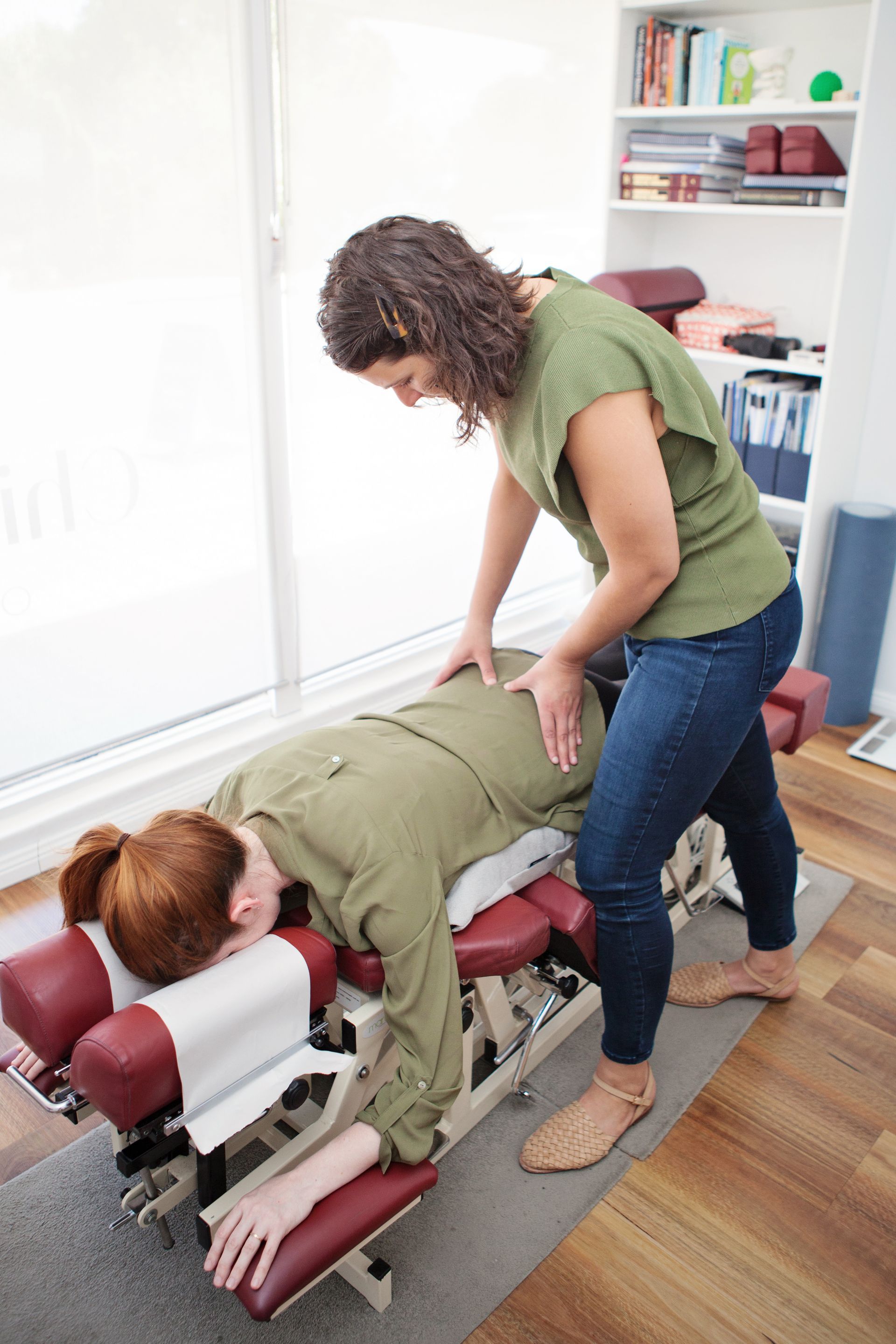
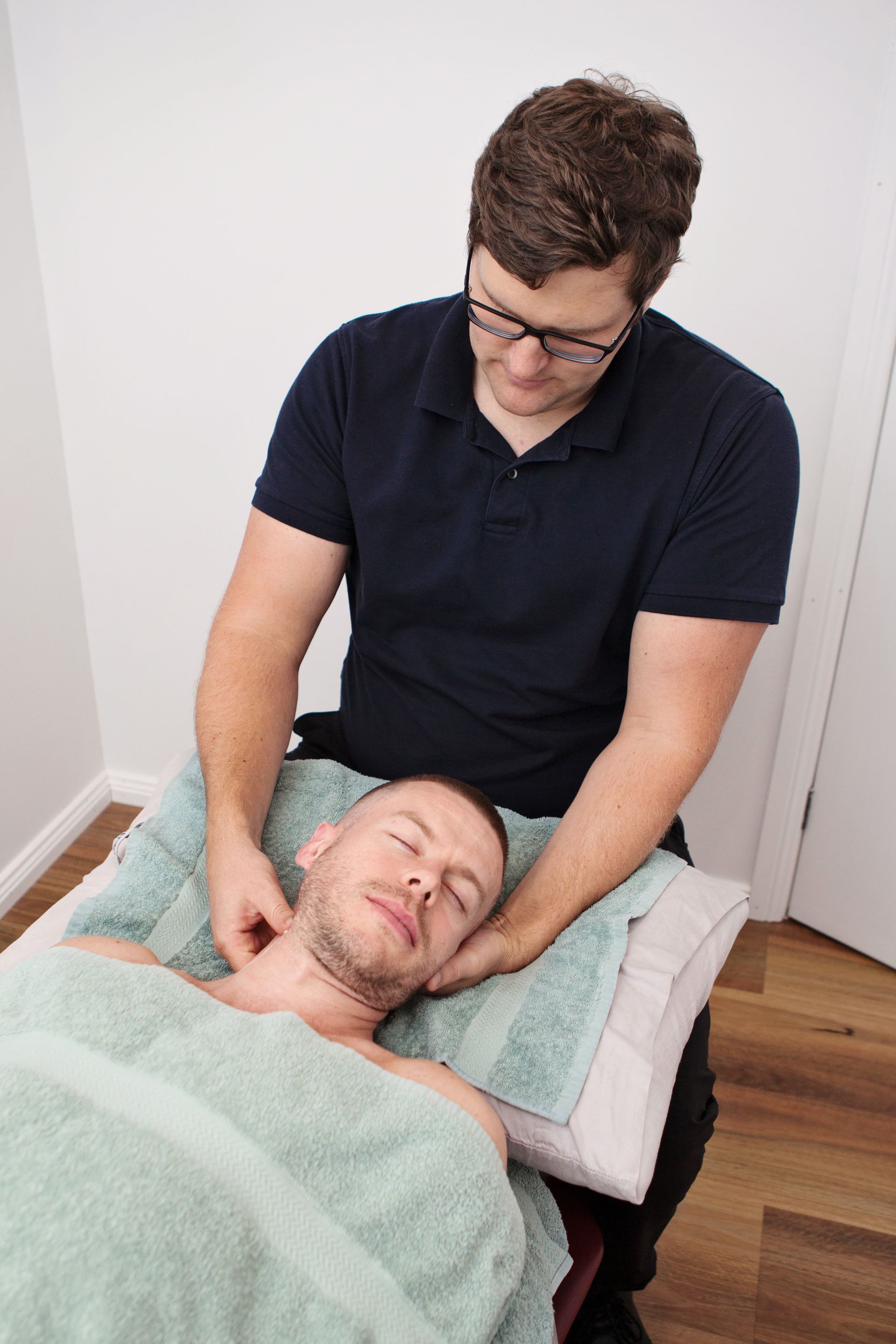
I use a patient-centred approach that combines techniques including Diversified, Activator, drop-piece, and soft tissue techniques to tailor care to her patient’s specific needs during their health care journey
I was inspired to become a chiropractor after experiencing the benefits of chiropractic care firsthand and seeing its positive impact on my family while growing up.
Outside of practice, I enjoy spending time with her family, friends, and pets. I love travelling, playing softball and exploring new places.
Qualifications
- Bachelor of Health Science, RMIT University
- Bachelor of Chiropractic Science, Chiropractic (2021)
- Level one certification in Myofascial Dry Needling and Cupping from the Manual Medicine Australasia
- Soft Tissue & Diversified Techniques (Competent)
Call Now!
Or Easy Online Booking
My goal is to work in a multi practitioner practice to help provide the community with the best quality care, which is why I'm excited to join the Chiropractic On Winston Team!
Our culture is built on: Compassion - Excellence - Trust - Community - Empowerment. Find out more here
Get To Know Our Practitioners - Dr Bronte Craig
What inspired you to become a Chiropractor?
I was inspired to become a chiropractor after experiencing the benefits of chiropractic care firsthand and seeing its positive impact on my family while growing up.
What’s a common condition you treat, and how can Chiropractic help?
A very common condition we treat is lower back pain, which can affect people of all ages and lifestyles, from office workers to athletes.
Chiropractic care helps by focusing on the relationship between the spine and the nervous system. When joints in the spine aren’t moving properly (often called “dysfunction” or “restriction”), it can lead to pain, stiffness, and reduced mobility. Through gentle, targeted adjustments and other hands-on techniques, Chiropractic aims to restore proper movement, reduce muscle tension, and support the body’s natural ability to heal.
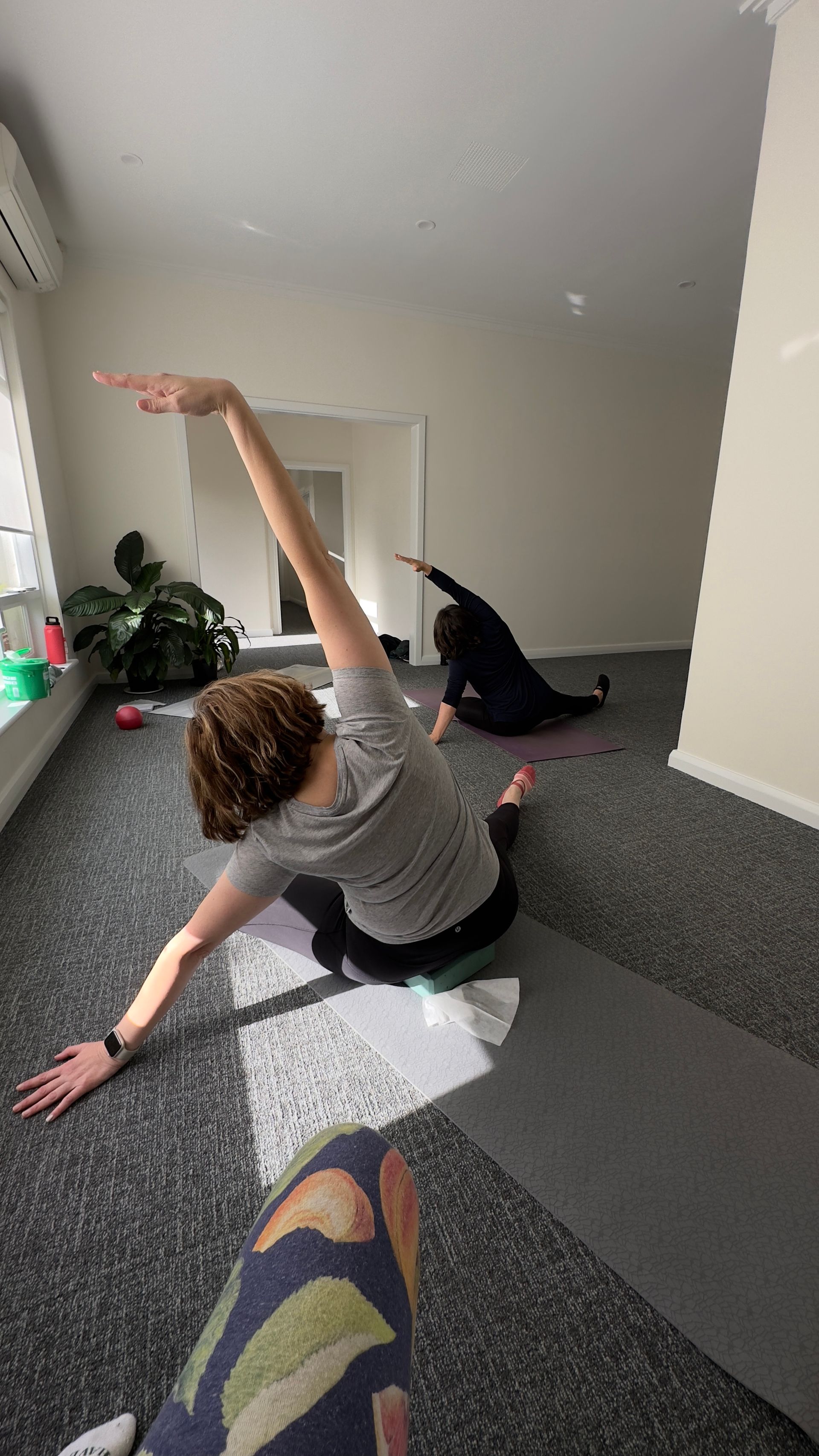
In addition to adjustments, care often includes advice on posture, movement, and exercises to help prevent the problem from returning. The goal isn’t just short-term relief, but improving overall function and helping patients move more comfortably in their daily lives.
Do you have any tips for maintaining spinal health at home or at work?
Absolutely, there are some simple, practical habits that can make a big difference in maintaining spinal health both at home and at work:
1. Mind your posture
Whether you’re sitting or standing, aim to keep your ears, shoulders, and hips aligned. Avoid slouching or leaning forward for long periods, especially when using a computer or phone.
2. Set up your workspace properly
Your screen should be at eye level, feet flat on the floor, and knees at about hip height. A supportive chair and proper desk setup can significantly reduce strain on your spine.
3. Take regular movement breaks
Try to stand up, stretch, or walk around every 30–60 minutes. Staying in one position for too long, no matter how “good” your posture is, can lead to stiffness and discomfort.
4. Stay active
Regular exercise like walking, swimming, or strength training helps support the muscles that protect your spine. Core strength, in particular, plays a key role in spinal stability.
5. Lift smart
When lifting objects, bend through your hips and knees rather than your back, and keep the item close to your body.
6. Be mindful of your sleep setup
A supportive mattress and pillow that keeps your neck in a neutral position can help your spine recover overnight.
7. Listen to your body
If you notice ongoing discomfort or stiffness, it’s a good idea to address it early rather than waiting for it to worsen.
Small, consistent changes like these can go a long way in keeping your spine healthy and reducing the risk of pain or injury.