



Winter Nutrition for Immune Health: How Diet Supports Your Nervous System and Immunity
Fueling Your Resilience: The Role of Winter Nutrition in Immune Health

As the temperature drops and we retreat indoors, our bodies face a unique set of physiological challenges.
While we often focus on external layers to keep warm, the internal "armor" we build through nutrition is our primary defense against seasonal illnesses.
The nervous system and immune system communicate constantly through hormones, neurotransmitters, and inflammatory signals.
This connection is studied within psychoneuroimmunology, a field exploring how stress, sleep, and nervous system regulation influence immune function (Dantzer, 2017).
Understanding the Connection Between the Nervous System and Immunity
The autonomic nervous system helps regulate many automatic body functions, including heart rate, breathing, digestion, and inflammatory responses.
When the body is under prolonged stress, the sympathetic nervous system, often called the "fight or flight" response, can remain highly active.
Over time, chronic stress may increase inflammation and reduce aspects of immune function (Thayer & Sternberg, 2010).
In contrast, parasympathetic activity, often referred to as the "rest and digest" state, supports recovery, sleep, digestion, and repair.
Why Winter Can Increase Stress on the Body
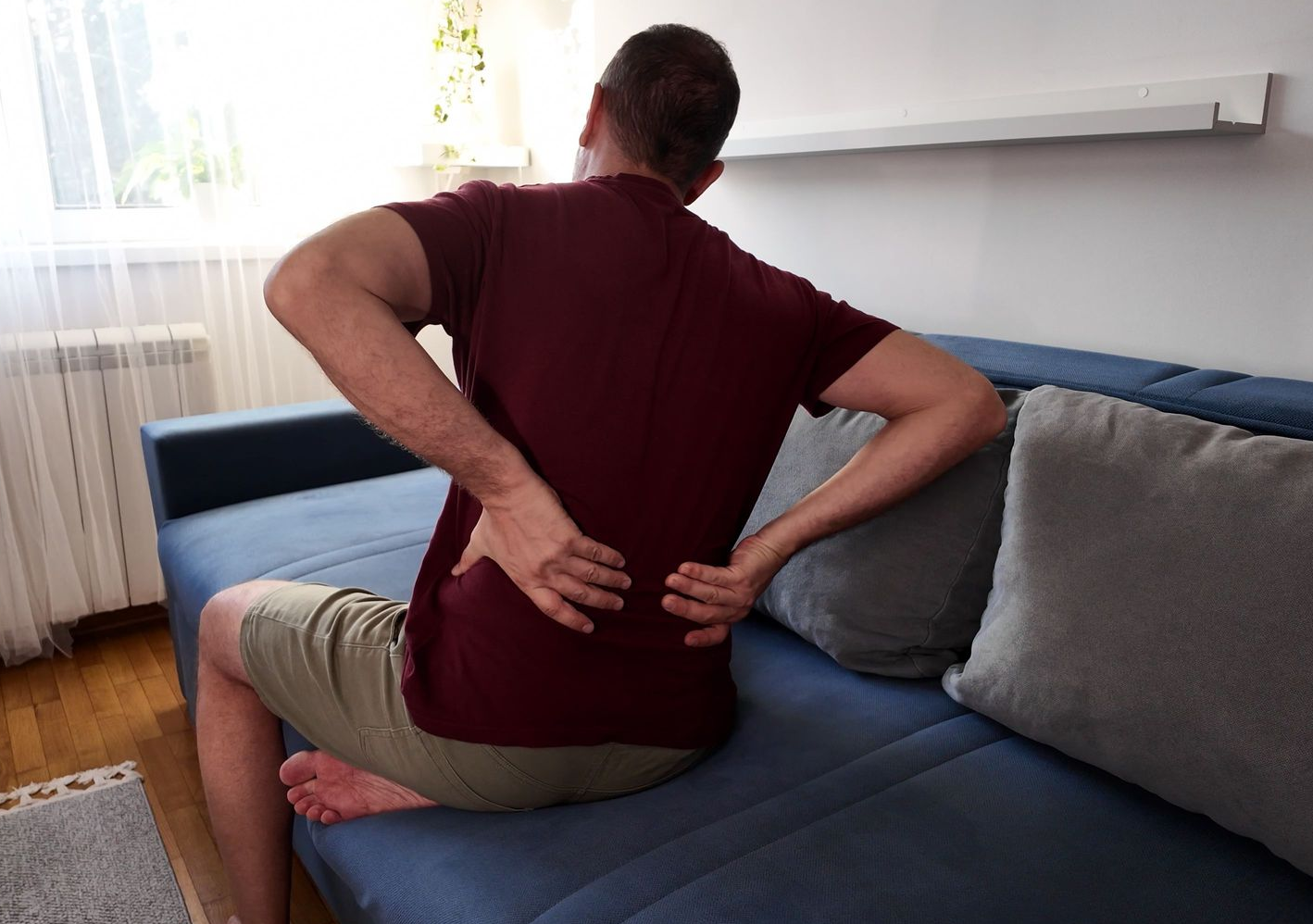
Winter can place additional demands on the nervous system through:
- Reduced sunlight exposure
- Changes to sleep routines
- Increased exposure to viruses
- Less physical activity
- Seasonal stress and fatigue
These factors may contribute to nervous system dysregulation, poor sleep, and increased inflammatory activity.
The Vagus Nerve's Role in Immune Regulation

One of the key links between the nervous system and immune system is the vagus nerve, the longest nerve stretching from the brainstem to the abdomen.
It is responsible for many involuntary bodily functions and responses (Thayer & Sternberg, 2010).
The vagus nerve helps regulate:
- Breathing
- Heart rate
- Digestion
- Inflammatory responses
Researchers describe this as the "inflammatory reflex," where the nervous system helps regulate immune activity and inflammation (Thayer & Sternberg, 2010).
Benefits of Healthy Vagal Tone
Healthy vagal tone has been associated with:
- Improved stress regulation
- Better sleep quality
- Reduced inflammation
- More balanced immune responses
Ways to Support Nervous System Regulation During Winter
Simple activities that may help support wellbeing include:
- Gentle exercise
- Deep breathing
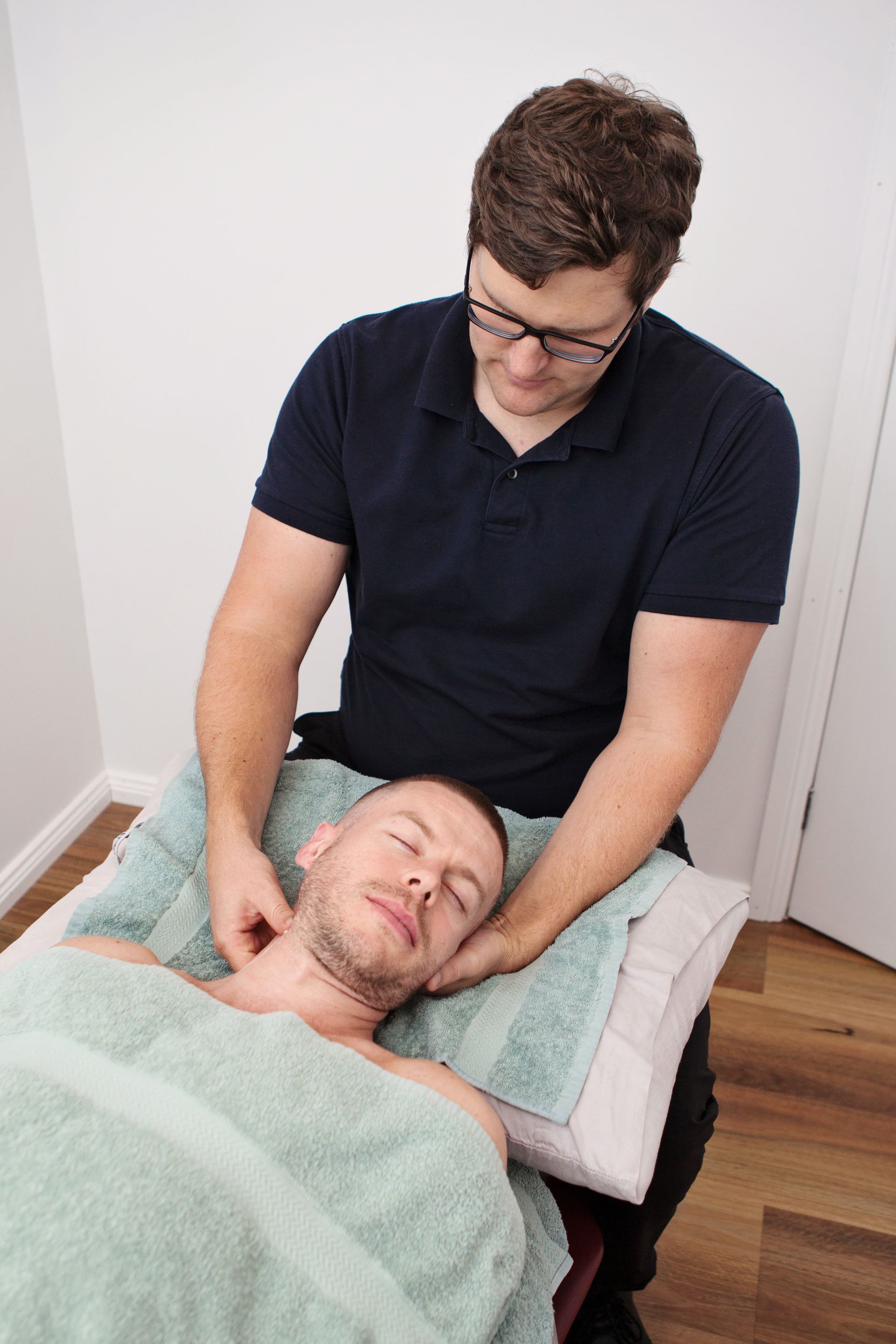
- Massage therapy
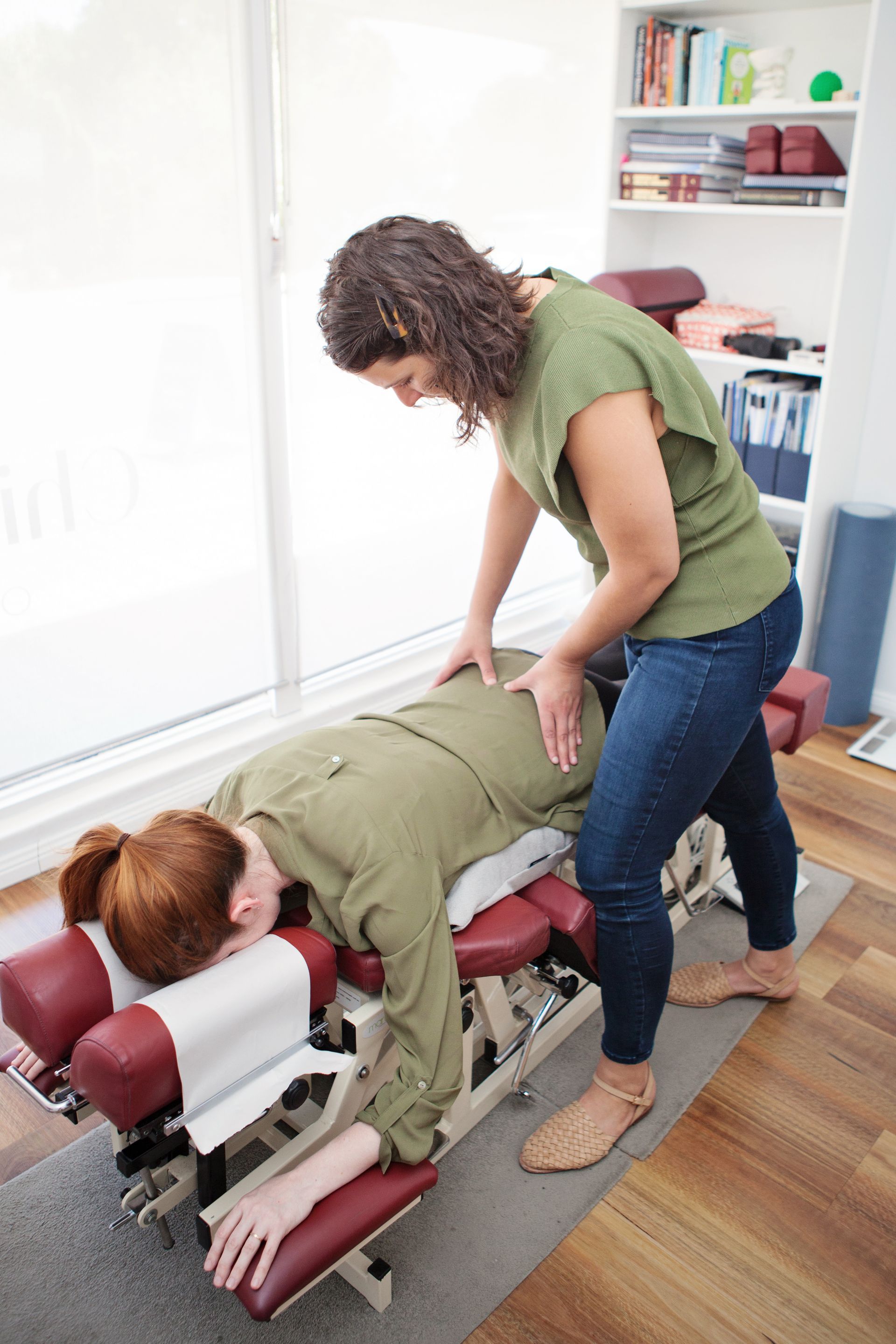
- Chiropractic adjustments
Essential Winter Nutrition for Immune Health
During the colder months, your daily habits form the foundation of good health. A proactive nutritional strategy ensures your immune system has the nutrients it needs to function effectively.
To support your body's natural defenses, focus on warming, cooked meals rich in seasonal vegetables, lean proteins, and healthy fats.
Key Nutrients That Support Immune Function

Winter Immune Health Nutrients
Vitamin C – Food Sources: Citrus fruits, capsicum. Benefit: Supports immune cell function.
Zinc – Food Sources: Nuts, seeds. Benefit: Essential for immune development and response.
Vitamin D – Food Sources: Sunlight, fatty fish, supplementation. Benefit: Supports immune regulation and bone health.
Probiotics – Food Sources: Fermented foods, yogurt. Benefit: Promotes gut health and immune resilience.
Addressing Common Winter Nutrition Gaps
The Vitamin D Dilemma
Reduced sunlight exposure during winter can lead to lower Vitamin D levels.
This nutrient plays a critical role in maintaining a healthy immune system and reducing inflammation while supporting bone strength (Kennel et al., 2010).
Spending 5–15 minutes in the sun when UV levels are above 3, alongside consuming foods such as salmon and eggs and considering supplementation under professional guidance, may help reduce the risk of deficiency.
Hidden Winter Dehydration
Many people assume they need less water during winter. However, indoor heating can contribute significantly to dehydration.
Maintaining hydration through water and herbal teas helps support healthy mucosal barriers, which act as one of the body's first lines of defense against viruses.
A Holistic Approach to Winter Wellness

While nutrition provides the fuel, a resilient immune system requires a broader wellness strategy.
Integrating regular chiropractic adjustments may help support nervous system function, enabling efficient communication between the body's systems.
By combining:
- Nutrient-dense nutrition
- Regular movement
- Quality sleep
- Stress management
- Professional healthcare support
you can navigate the winter months with greater vitality and resilience.
For more information on optimising your health this season,
call us on (08) 7222 8701
visit Chiropractic on Winston or schedule your next wellness check-in.
References:
- Dantzer R. Neuroimmune Interactions: From the Brain to the Immune System and Vice Versa. Physiol Rev. 2018 Jan 1;98(1):477-504. doi: 10.1152/physrev.00039.2016. PMID: 29351513; PMCID: PMC5866360.
- Maier SF, Watkins LR, Fleshner M. Psychoneuroimmunology. The interface between behavior, brain, and immunity. Am Psychol. 1994 Dec;49(12):1004-17. doi: 10.1037//0003-066x.49.12.1004. PMID: 7818221.
- Thayer JF, Sternberg EM. Neural aspects of immunomodulation: focus on the vagus nerve. Brain Behav Immun. 2010 Nov;24(8):1223-8. doi: 10.1016/j.bbi.2010.07.247. Epub 2010 Jul 30. PMID: 20674737; PMCID: PMC2949498.
- Kennel, K.A., Drake, M.T. and Hurley, D.L. (2010) ‘Vitamin D deficiency in adults: When to test and how to treat’, Mayo Clinic Proceedings, 85(8), pp. 752–758. doi:10.4065/mcp.2010.0138.