
Low Level Laser Therapy (LLLT): A Scientific Approach to Healing with Light
How Healing with Light Using Low Level Laser Therapy (LLLT) Assists To Speed Up Recovery In Adelaide
As chiropractors, we are always looking for safe, effective, and natural ways to support your body’s healing.
One of the most powerful tools we now have is laser therapy — a form of light-based treatment that works at the cellular level to reduce pain, calm inflammation, and speed up recovery.
At our clinic, we use two types of light therapy to complement your chiropractic adjustments:
🔴 Low Level Laser Therapy (LLLT) – red and infrared light for deeper tissue healing
🔷 Blue Light Laser Therapy – blue light for surface-level inflammation and skin-related conditions
These therapies are non-invasive, pain-free, and backed by science — making them a perfect partner to chiropractic care.
What Is LLLT?
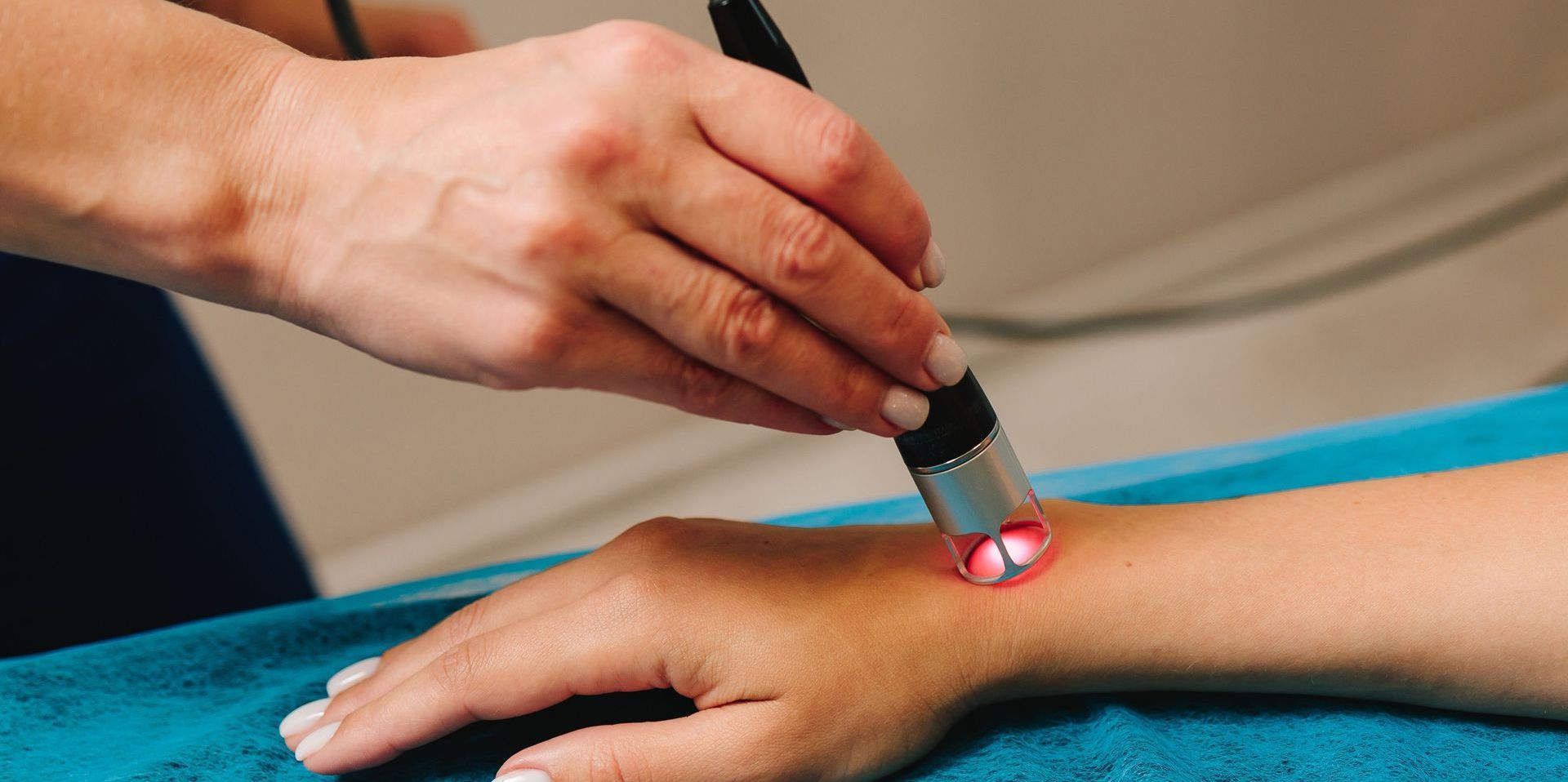
LLLT involves applying red or near-infrared light (600–1000 nm) to the body.
Unlike high-powered surgical lasers, LLLT does not produce heat, cut tissue, or cause damage.
Instead, it interacts with tissues to stimulate biological processes at the cellular level (Hamblin & Demidova, 2006).
Mechanism of Action: Light = Energy for Your Cells
The primary target of LLLT is cytochrome c oxidase, an enzyme in mitochondria that plays a key role in energy production.
When this enzyme absorbs light, it boosts the cell’s ability to produce energy in the form of ATP (adenosine triphosphate).
This leads to:
● Increased cellular energy and metabolism
● Reduced oxidative stress
● Downregulation of inflammatory markers
- Enhanced tissue regeneration
Why Chiropractors Use Low Level Laser Therapy (LLLT)?
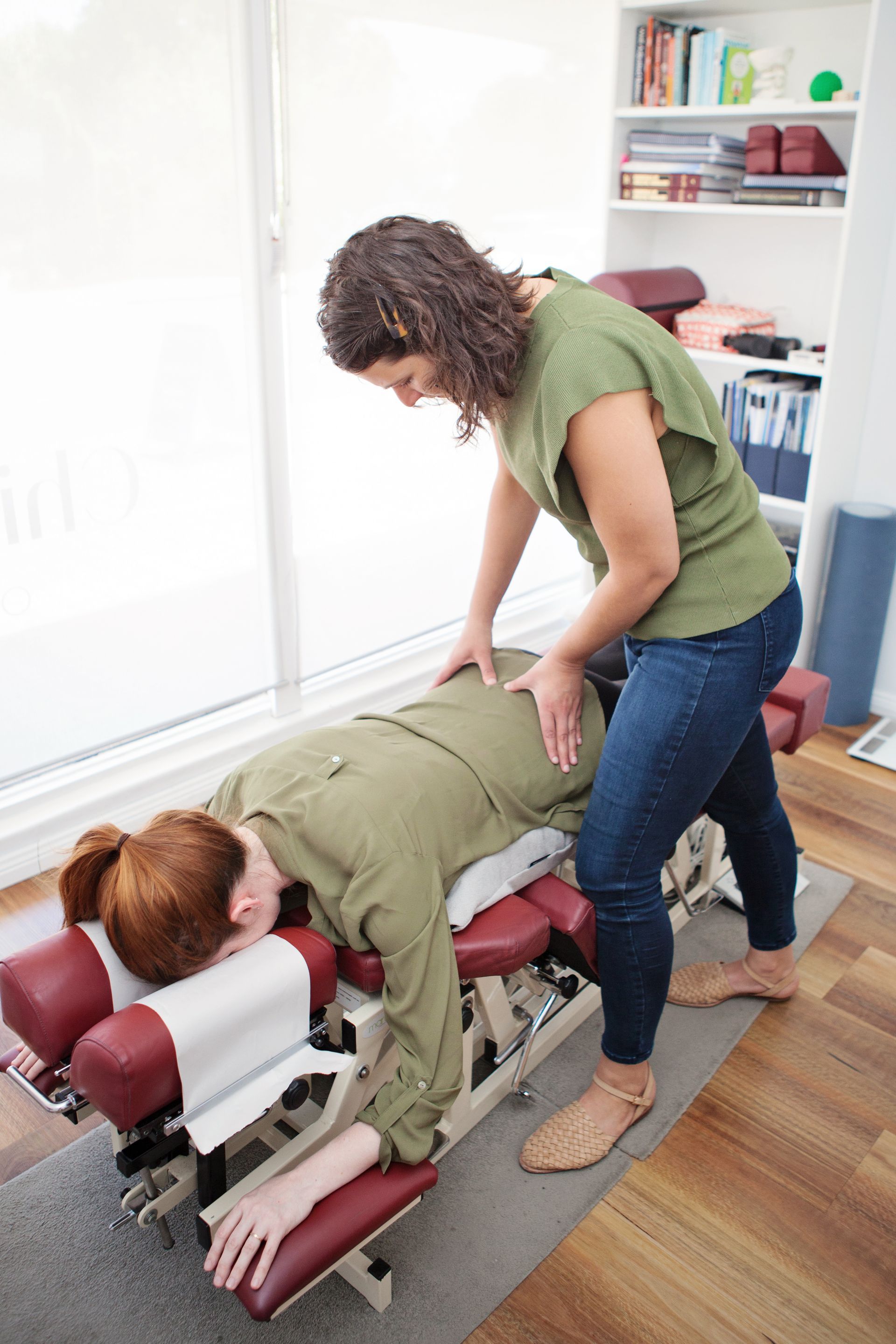
While adjustments restore motion and alignment, LLLT helps heal the soft tissue around the joints — including muscles, ligaments, nerves, and discs.
It enhances circulation, reduces swelling, and calms irritated nerves.(Chung et al. 2012)
This makes LLLT especially useful for:
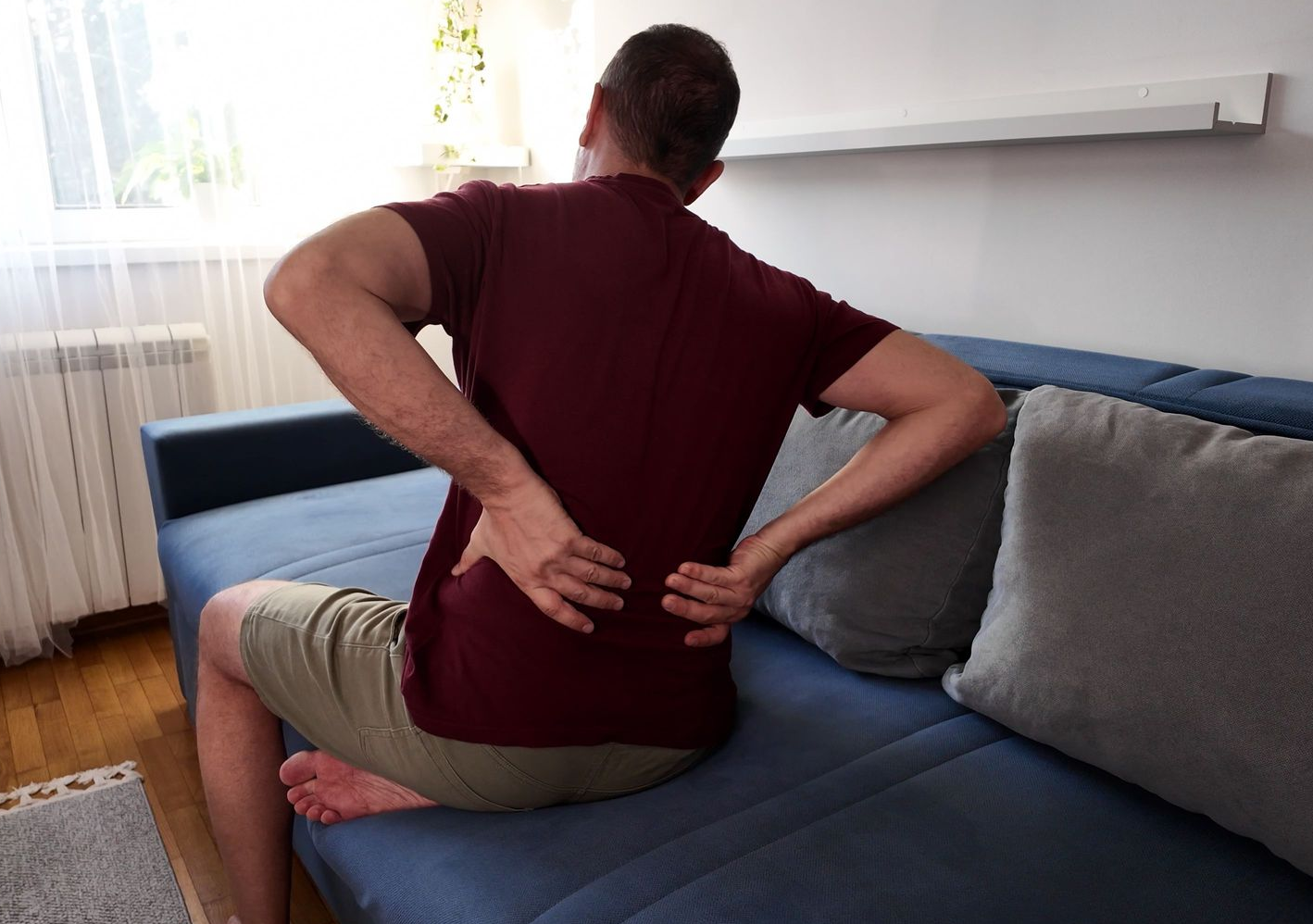
● Disc bulges and sciatica
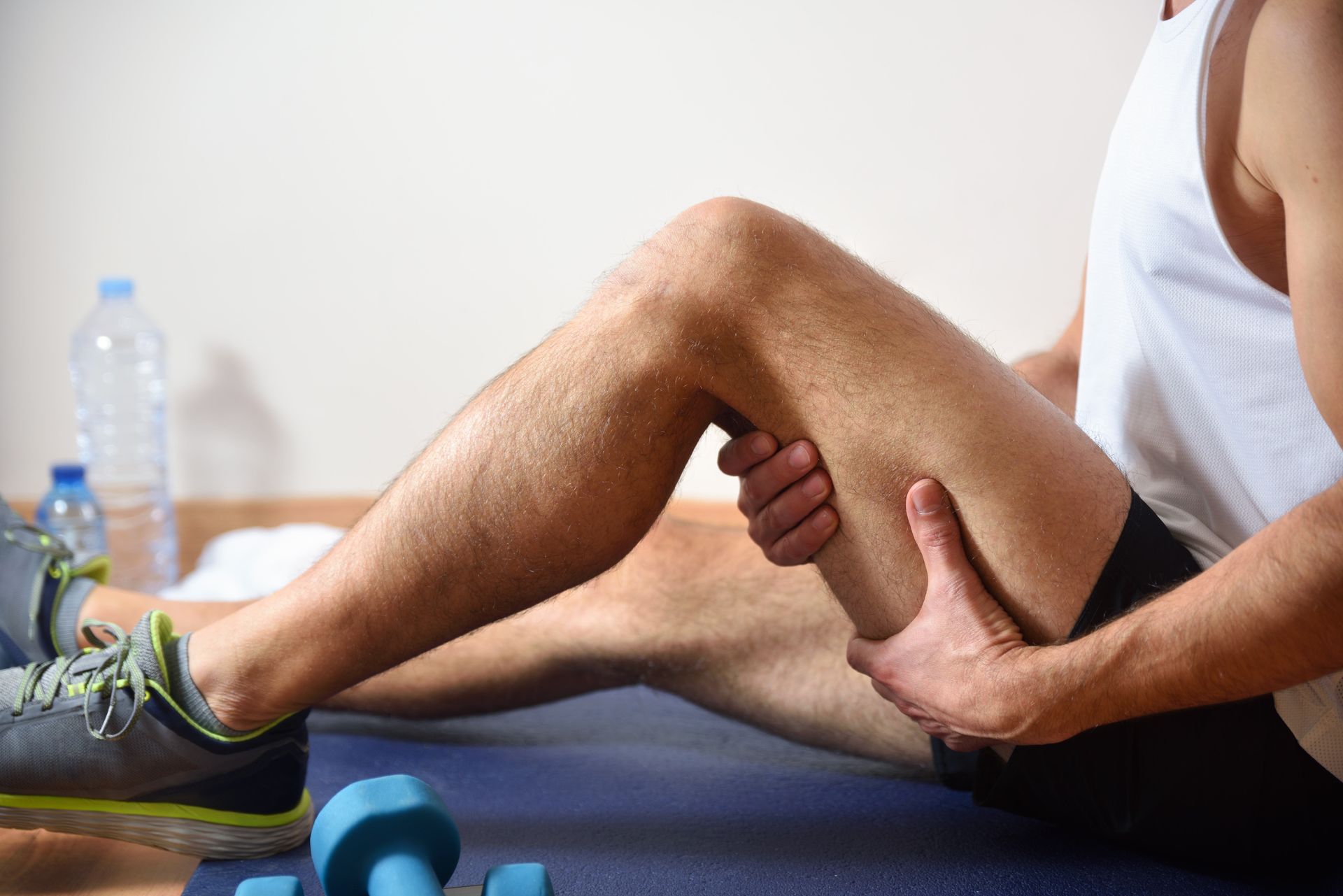
● Muscle spasms and chronic tightness
● Tendonitis and bursitis
● Nerve-related conditions (e.g., neuropathy)
● Postural strain from flat feet or spinal misalignments
🔷 What About Blue Light Laser Therapy?
Blue light (405–470 nm) penetrates less deeply than red or infrared light — but it is powerful for surface-level inflammation and infections.
It is often used in combination with chiropractic care to help manage skin conditions, oral inflammation, or acute flare-ups near the surface. (Dai et al., 2012)
Common Chiropractic Applications for Blue Light:
● TMJ and jaw inflammation
● Cold sores and oral ulcers
● Skin flare-ups on the back, neck, or shoulders
● Postural skin irritation (e.g., from pressure points)
● Superficial tendinopathies or acute soft tissue swelling
While we do not use blue light for deep spinal issues, it is a great tool for treating the surface layer, especially in sensitive or inflamed areas.
What to Expect
A typical session lasts 5–20 minutes. The handheld device delivers painless red or infrared light directly to the affected area.
Most patients feel no sensation, while some report mild warmth or tingling.
Is it safe?
Laser therapy is FDA-approved, TGA-listed, and has been widely studied in clinical and sports settings. It is safe, gentle, and has minimal to no side effects.
(Chow et al., 2009; Alves & Fernandes, 2014; Gupta et al., 2018)
What makes laser therapy so effective in chiropractic practice is its ability to support and extend the results of your adjustments.
Whether you are dealing with chronic back pain, disc issues, sports injuries, or postural stress, laser therapy is a powerful tool we use to help you heal faster — from the inside out.
Your body already knows how to heal. Chiropractic sets it in motion and Laser therapy fuels the process.
📚 References:
● Hamblin, M.R., & Demidova, T.N. (2006). Mechanisms of low-level light therapy. Proc. SPIE 6140.
● Chung, H. et al. (2012). The nuts and bolts of low-level laser therapy. Annals of Biomedical Engineering, 40(2), 516–533.
● Chow, R. et al. (2009). Efficacy of low-level laser therapy in the management of neck pain: A meta-analysis. The Lancet, 374(9705), 1897–1908.
● Alves, A.C., & Fernandes, K.P. (2014). Effect of LLLT on knee osteoarthritis. Lasers Med Sci, 29(2), 749–755.
● Dai, T. et al. (2012). Blue light for infectious diseases: Propionibacterium acnes, Helicobacter pylori, and beyond? Drug Resistance Updates, 15(4),
223–236.
● Gupta, A. et al. (2018). Phototherapy in wound healing: A review. J. Photochem Photobiol B, 186, 73–79.