



Spine Care in Adelaide: What Does a Chiropractor Assess?
Spine Care in Adelaide: What Does a Chiropractor Actually Assess?

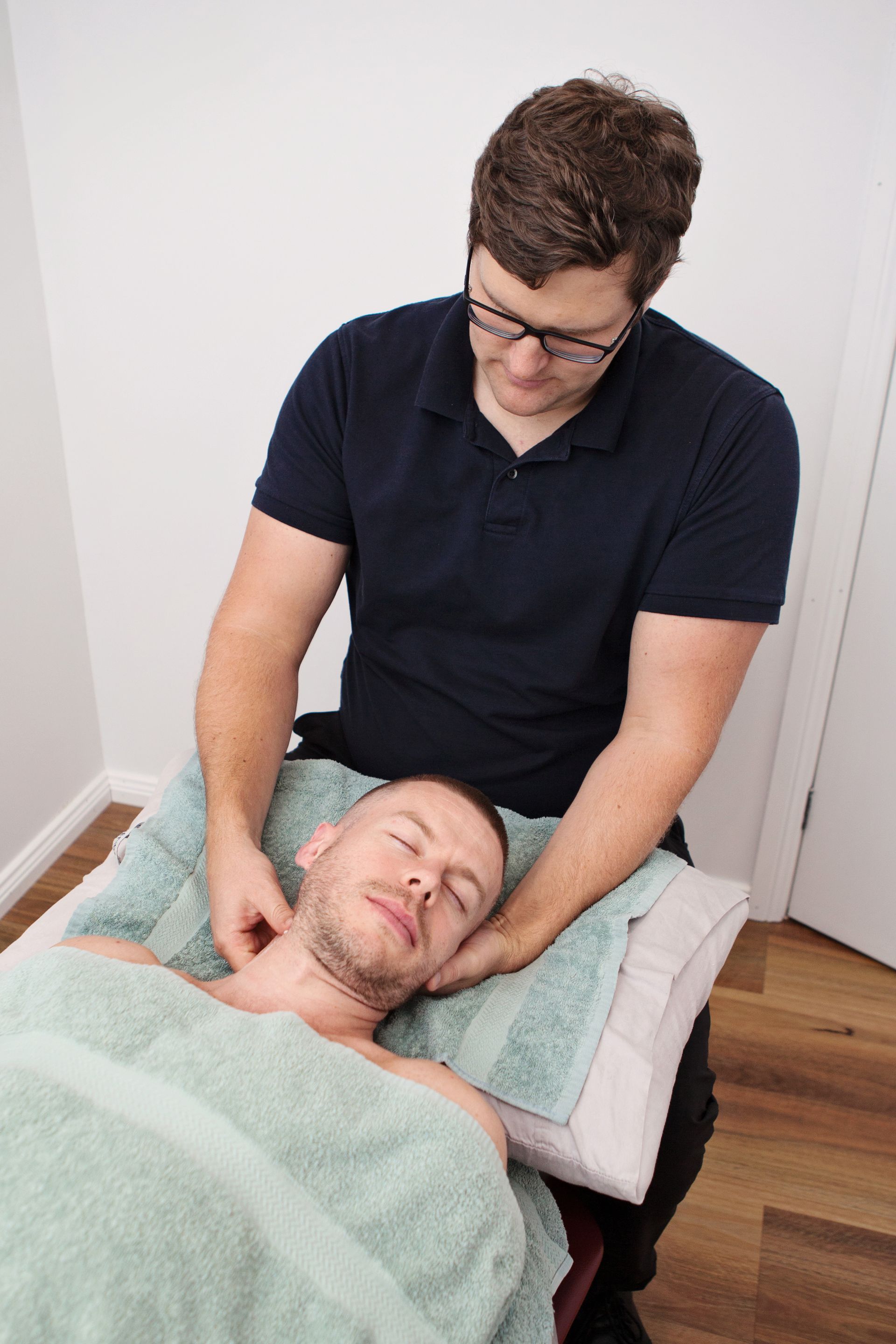
If you are experiencing back pain, neck stiffness, restricted movement or recurring discomfort, you may be wondering whether seeing a chiropractor could help. One of the most important parts of a chiropractic consultation is understanding your symptoms, health history and how your body moves before discussing suitable care options.
At Chiropractic On Winston in Melrose Park, Adelaide, a spine care consultation can help you better understand your musculoskeletal concerns, the assessment process and the options that may be appropriate for your individual needs.
So, what does a chiropractor actually assess, and what should you expect from an appointment?
What Is Spine Care?
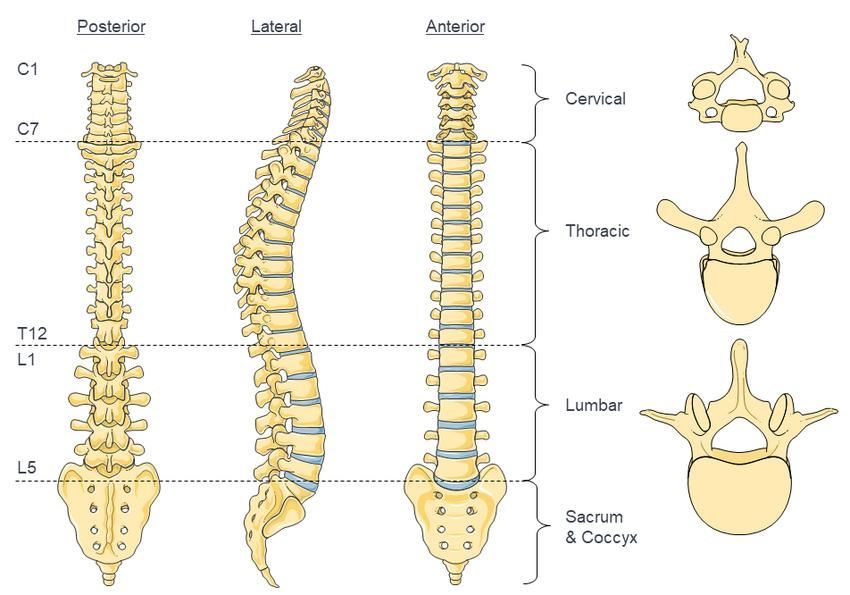
Spine care refers to the assessment and management of issues affecting the spine and the surrounding muscles, joints and other tissues. The spine supports the body, allows movement and protects the spinal cord, while the muscles and joints around it contribute to stability and everyday function. Spinal discomfort can have many possible causes, including muscle strain, joint irritation, changes to spinal discs, scoliosis and spinal curvature, injury and age-related changes.
Symptoms alone do not always identify the underlying cause, which is why a thorough assessment matters. A spinal chiropractor may assess how your symptoms affect your movement and daily activities, then discuss whether chiropractic care, exercise, self-management or another form of healthcare is appropriate.
What Does a Chiropractor Assess During a Spine Care Consultation?

A chiropractic assessment is individualised.
The exact examination depends on your symptoms, medical history, age, health circumstances and reason for attending.
1. Your Symptoms and Medical History
The consultation usually begins with questions about what you have been experiencing. Your chiropractor may ask:
- Where do you feel discomfort, and does it travel elsewhere?
- When did the symptoms begin?
- Did they start after an injury, lifting or another activity?
- What makes the symptoms better or worse?
- Have you experienced similar problems before?
- Do you have any relevant medical conditions, previous surgeries or current medications?
- Have you noticed numbness, tingling, weakness or other changes?
Your answers help build a clearer picture of your concerns and identify whether further investigation
or medical assessment may be needed.
2. Spinal Movement and Mobility
Depending on your symptoms, your chiropractor may assess how comfortably you move your neck, upper back and lower back.
This can involve observing movements such as bending, turning and extending, alongside other functional movements relevant to your daily activities. The purpose is to understand which movements are restricted, uncomfortable or difficult, rather than assuming that every symptom originates from the spine itself.
3. Muscle Function, Strength and Joint Movement
Muscles and joints work together to support everyday movement. Where clinically appropriate, the assessment may include checking muscle tenderness, strength, joint movement and how you perform particular tasks. The findings may help identify factors contributing to your discomfort or limitations. However, no single movement test or physical finding can explain every case of back pain or neck pain.
4. Nerve Function and Neurological Symptoms
If you report pain travelling into an arm or leg, tingling, numbness or weakness, your chiropractor may carry out relevant neurological tests, learn more about sciatica and its assessment. Depending on your presentation, these may include checking muscle strength, sensation, reflexes and other signs of nerve involvement. These findings help determine whether your symptoms require further investigation or referral to another healthcare professional. New or progressive neurological symptoms should be taken seriously.
5. Your Posture and Everyday Activities
Your work, exercise habits, usual activities and movement patterns may be relevant to your symptoms.
Your chiropractor may ask about prolonged sitting, repetitive tasks, lifting, sporting activities, sleep disruption or difficulties with everyday tasks. Posture is only one part of the picture. There is no single perfect posture that everyone must maintain, and discomfort cannot automatically be attributed to poor posture. The goal is to understand your individual circumstances and identify practical ways to support comfortable movement and daily function.
Does a Chiropractor Need to Order an X-Ray or MRI?
Not necessarily. Imaging is not required for every person experiencing back or neck pain.
Whether an X-ray, MRI or other investigation is appropriate depends on your symptoms, examination findings, medical history and whether the results are likely to influence your care. For example, significant trauma, suspected serious pathology or certain neurological findings may warrant further medical investigation. A chiropractor should explain the reason for any recommended investigation or referral. Imaging can reveal changes that are also present in people without pain, so results need to be interpreted alongside your symptoms and clinical assessment.
What Happens After a Spinal Chiropractic Assessment?
Once your history and examination have been completed, your chiropractor should explain the findings in understandable language and discuss the available options.
Understanding Your Assessment Findings
Your chiropractor may explain which findings could be relevant to your symptoms, what remains uncertain and whether additional assessment is recommended. A responsible assessment does not assume that every symptom is caused by spinal misalignment or that one particular treatment will work for everyone.
Discussing Suitable Care Options
Depending on the findings, options may include advice about activity, appropriate exercises, manual therapy or other conservative approaches. If chiropractic treatment is considered, the proposed techniques should be explained along with their potential benefits, risks and alternatives. Some presentations are better managed with a GP, physiotherapist, specialist or another healthcare professional. Referral or coordinated care may be the most appropriate next step.
Setting Realistic Goals
Your goals may include moving more comfortably, returning to work or exercise, or managing recurring symptoms. Your care plan should reflect your needs and preferences, with progress reviewed over time. Ask questions if anything is unclear, including what treatment involves, how progress will be evaluated and when your plan should be reconsidered.
When Should You Seek Medical Attention for Spinal Symptoms?

Not every episode of back discomfort or neck discomfort requires urgent care, but certain symptoms like herniated disc symptoms and care options may need prompt medical assessment. Seek emergency medical care if you develop new loss of bladder or bowel control, difficulty passing urine associated with back symptoms, numbness around the groin or saddle area, or rapidly worsening or significant weakness in the legs. These can be signs of a serious condition requiring immediate assessment.
Seek prompt medical advice for severe pain after significant trauma, fever accompanied by spinal pain, unexplained weight loss, a history of cancer with new spinal symptoms, or other symptoms that concern you. If you are unsure whether your symptoms are urgent, contact a healthcare professional or emergency service for guidance. Do not delay emergency assessment to arrange a chiropractic appointment.
Who May Benefit From a Spine Care Consultation?
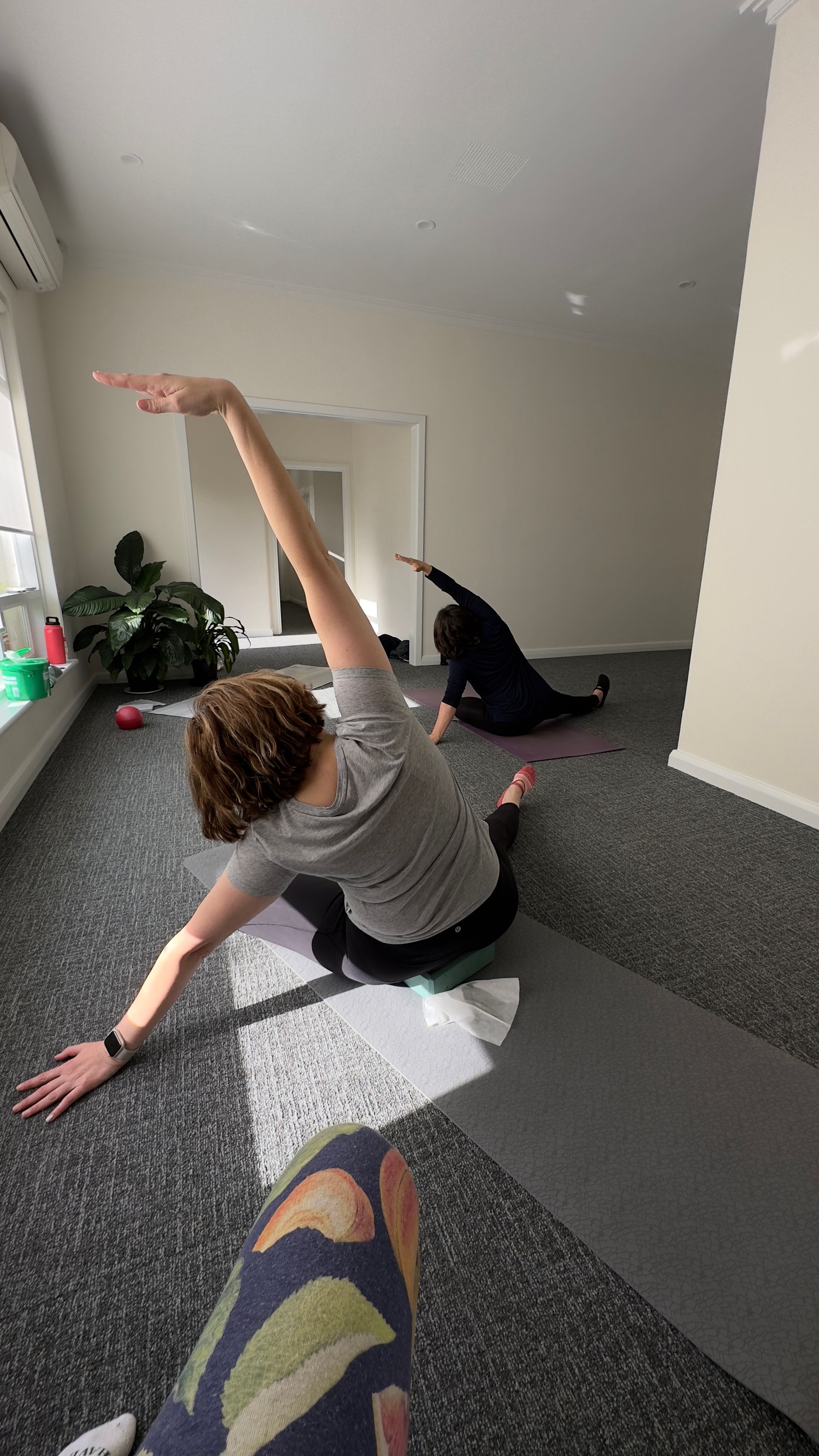
A consultation may be worth considering if you have ongoing or recurring musculoskeletal symptoms, stiffness that limits your usual activities, or questions about managing back or neck discomfort.
Examples include:
- Back or lower back discomfort.
- Neck stiffness or restricted movement.
- Muscle and joint discomfort affecting everyday activities.
- Symptoms following routine physical activity or lifting.
- Questions about returning to exercise after a musculoskeletal problem.
These symptoms can have different causes, and a chiropractic consultation is not a substitute for medical assessment when serious conditions are suspected.
Choosing a Spinal Chiropractor in Adelaide
When choosing a spinal chiropractor, look for a registered practitioner who takes time to understand your concerns, explains their assessment and recommendations, discusses potential risks and alternatives, and refers you for further medical care when needed.
You should feel comfortable asking questions and taking part in decisions about your care.
At Chiropractic On Winston, located at 92 Winston Avenue, Melrose Park, our team provides chiropractic services to people across Adelaide. You can learn more about our clinic's chiropractic services and arrange a consultation to discuss your needs.
You can call us on (08) 7222 8701 or Book Online
Frequently Asked Questions About Spine Care
What is the difference between a chiropractor and a spinal chiropractor?
“Spinal chiropractor” is a descriptive term for a chiropractor who assesses and manages musculoskeletal concerns involving the spine. Chiropractors are registered health practitioners in Australia and should work within their training, scope of practice and professional obligations.
Can a chiropractor assess back and neck pain?
A chiropractor can take a history and perform an appropriate musculoskeletal examination to assess back or neck symptoms. The assessment may help determine whether chiropractic care is suitable or whether medical investigation or referral is needed.
Is spinal chiropractic suitable for everyone?
No. Suitability depends on the person's symptoms, medical history, examination findings and preferences.
Some conditions require medical assessment or make particular manual techniques inappropriate.
Discuss your health history and concerns before treatment.
Do I need an X-ray before seeing a chiropractor?
Usually, you do not need to arrange imaging yourself before a consultation.
A practitioner can assess whether imaging is clinically indicated and explain the next steps.
How do I book a spine care consultation in Adelaide?
Visit Chiropractic On Winston's chiropractic services page to learn about our clinic's services and access online booking options.

Take the Next Step Towards Understanding Your Spine Health
Understanding your symptoms starts with the right questions and an appropriate assessment. A consultation can help clarify your concerns, explain possible care options and identify when another healthcare professional should be involved.
If you are looking for a chiropractor in Adelaide, explore the services available at Chiropractic On Winston in Melrose Park or contact the clinic to discuss whether an appointment is appropriate for you.
Chiropractic On Winston
92 Winston Avenue, Melrose Park SA 5039
Phone:
(08) 7222 8701
Explore chiropractic services and booking options
This article provides general information only and is not a substitute for individual medical advice, diagnosis or treatment. Seek appropriate medical assessment for concerning or urgent symptoms.