
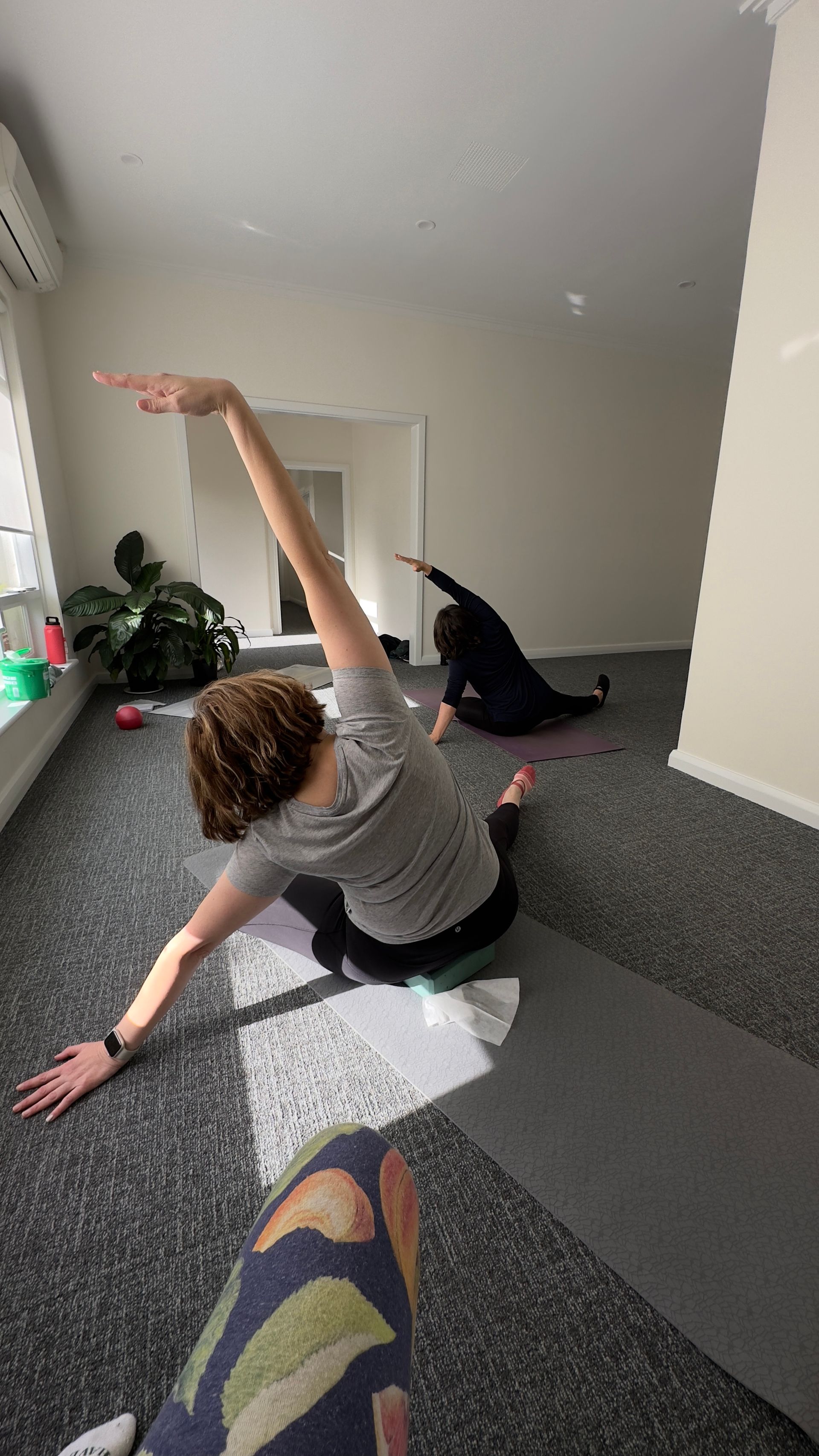


How Chiropractic Care Can Help With Pelvic Girdle Pain: Treatment, Relief and What You Can Do at Home
How Chiropractic Care Can Help With Pelvic Girdle Pain: Treatment, Relief and What You Can Do at Home

Have you been diagnosed with pelvic girdle pain?
Are you experiencing pain with everyday activities such as walking, getting out of the car, climbing stairs and turning over in bed?
These symptoms can often be caused by pelvic girdle pain. In this blog, we’ll explain what pelvic girdle pain is, what some of the common causes are , what you can do at home to help and why seeing a chiropractor might help.
It is particularly common during pregnancy, and something we regularly treat here at Chiropractic On Winston.
Although pelvic pain can also occur during your postpartum period.
The good news is that pelvic girdle pain can often be managed with the right combination of professional care, movement and practical changes at home.
Chiropractic care may form part of a personalised treatment plan, particularly when provided by a practitioner experienced in pregnancy-related pelvic and musculoskeletal conditions.
What Is Pelvic Girdle Pain?
Pelvic girdle pain refers to pain around the joints and structures of the pelvis.
During pregnancy, it may be felt at the front of the pelvis around the pubic bone, in the lower back, around the sacroiliac joints, in the hips, groin or thighs. Symptoms can vary considerably from person to person.

Common symptoms include:
● A feeling of giving way when standing or walking
● Pain when turning over in bed
● Pain when getting in or out of a car
● Difficulty standing on one leg, such as when getting dressed or putting on shoes
● Aching around the pubic bone, hips, groin or lower back
Pelvic girdle pain is not usually harmful to your baby during pregnancy,
but it can significantly affect your mobility, sleep, work and quality of life.
How Can Chiropractic Care Help Pelvic Girdle Pain?
A chiropractor can assess how your pelvis, hips, lower back and surrounding muscles are moving and identify movements or activities that may be contributing to your symptoms.
Treatment should always be tailored to the individual, particularly during pregnancy.
Gentle Hands-On Treatment

Guidelines from the Royal College of Obstetricians and Gynaecologists recognise gentle manual therapy as one possible treatment option for pregnancy-related pelvic girdle pain.
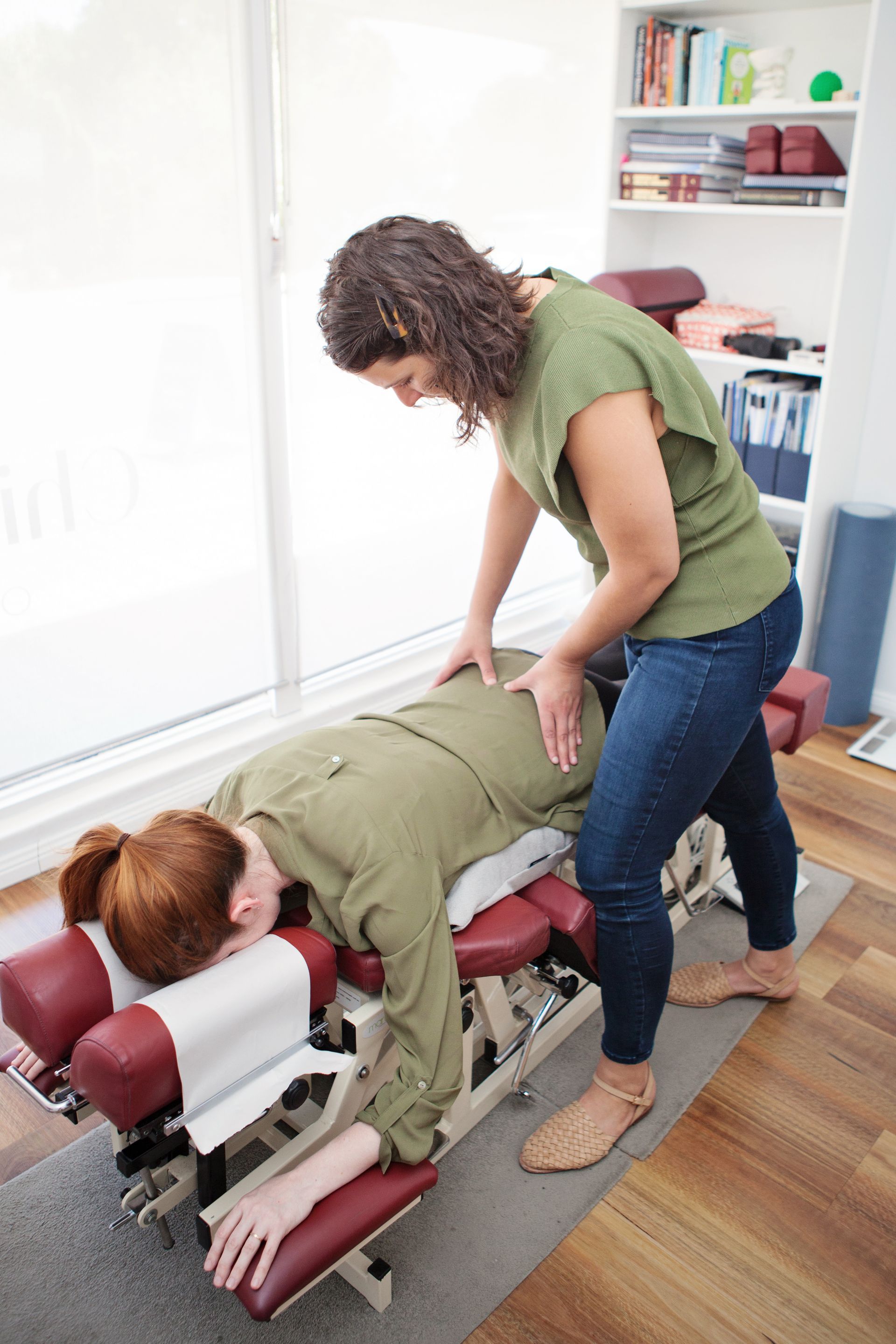
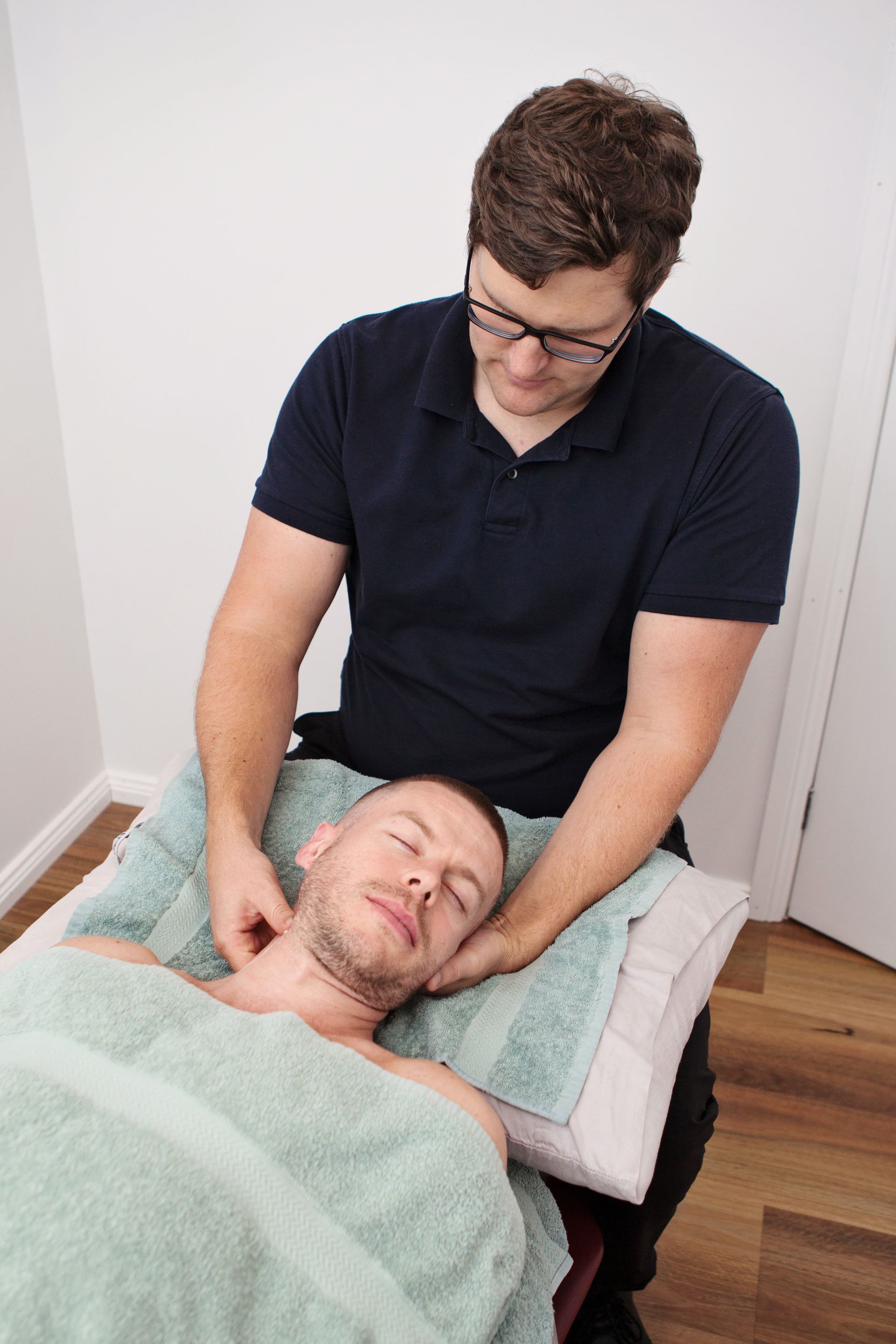
This can include hands-on treatment to the muscles and joints from a suitably trained physiotherapist, osteopath or chiropractor specialising in PGP during pregnancy.
The goal is not to "force" the pelvis into position. Instead, appropriate manual therapy may be used to help improve comfortable movement and reduce muscle and joint-related discomfort.
Improving Movement

When you're experiencing pelvic pain, you may naturally change the way you walk, stand or move to protect the painful area.
Over time, these compensations can contribute to stiffness or muscular tension.
A chiropractor can help identify movements that aggravate your symptoms and teach you more comfortable ways to perform everyday activities.
Supporting Your Muscles and Joints

Your treatment may include exercises designed around your individual needs.
These can help improve strength, coordination and confidence with movement.
For pregnancy-related PGP, exercise advice and pelvic floor, abdominal, hip and back strengthening may form part of an overall management plan.
Advice for Everyday Activities
Chiropractic care isn't just about what happens in the treatment room.
A major part of managing pelvic girdle pain is learning how to reduce aggravating movements throughout the day.
Your practitioner may advise you on:
● Getting in and out of bed
● Getting in and out of the car
● Lifting and carrying
● Sitting and standing
● Walking
● Sleeping positions
● Exercise and activity levels
● Using a pelvic support belt where appropriate
The aim is to help you remain as active as possible without repeatedly provoking your symptoms.
What Can You Do at Home for Pelvic Girdle Pain?

Small changes to your daily routine can make a significant difference.
Keep Moving: But Don't Push Through Pain
Complete inactivity is generally not the goal. Instead, try to stay gently active within your comfort limits and reduce or modify activities that clearly make your symptoms worse.
Shorter walks, slower movement and regular rest breaks may be more comfortable than trying to complete one long activity.
If a particular exercise consistently increases your pain, stop and discuss it with your healthcare professional.
Keep Your Knees Together During Certain Movements
Some people with PGP find movements that involve separating the legs particularly uncomfortable.
When getting in or out of a car, try keeping your knees together and moving your legs as one unit. The same principle can be useful when turning in bed.
Use a Pillow Between Your Knees
Sleeping can be difficult when your pelvis is painful.
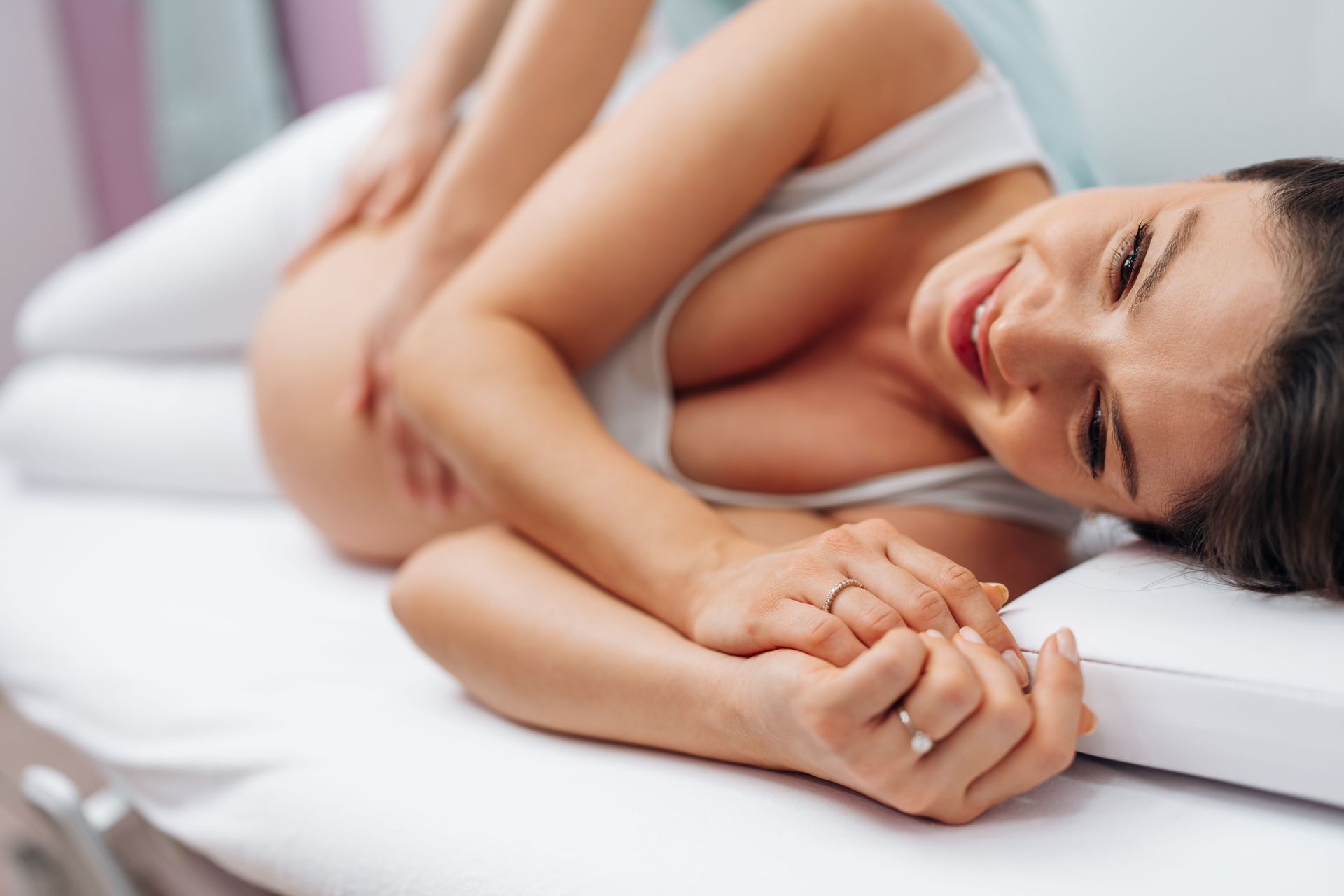
Try lying on your side with a pillow between your knees and, if comfortable, additional support under your bump during pregnancy.
You may need to experiment with pillow height and positioning to find what feels most comfortable.
Avoid Standing on One Leg
Standing on one leg can aggravate PGP for some people.
Instead of standing to get dressed, sit down. This simple change can reduce unnecessary strain and make everyday tasks easier.
Break Up Long Periods of Sitting or Standing
Try changing positions regularly rather than staying in one position for a prolonged period.
If you work at a desk, get up regularly, adjust your workstation and make sure both feet can be supported comfortably.
Be Careful With Lifting
Where possible, avoid heavy lifting when it aggravates your pain.
Ask for help with shopping, household chores or lifting children when necessary.
If you do need to lift something, avoid twisting while carrying it and keep the object close to your body.
Wear Supportive Shoes
Comfortable, supportive footwear may make walking and standing more manageable.
Some people find that reducing the length of their stride also helps.
Consider Heat or Ice
Some people find a warm bath or a heat or ice pack soothing.
Use whichever feels most comfortable for you, and follow appropriate safety advice, particularly during pregnancy.
When Should You Seek Professional Help?
You don't have to wait until pelvic girdle pain becomes severe before seeking help.
Early assessment can help you understand what's causing your symptoms and identify strategies to keep you moving comfortably.
NHS guidance recommends speaking with your midwife or GP if pelvic pain is making it difficult to move, get out of a car, turn over in bed or use stairs.
A pelvic health physiotherapist, GP, midwife or appropriately trained chiropractor can help assess your symptoms and determine whether chiropractic care is appropriate for you.
If you are pregnant, particularly if your symptoms are new, severe or unusual, your maternity or healthcare team should be involved in your care.
Chiropractic Care and Pelvic Girdle Pain: A Personalised Approach

There isn't one treatment that works for everyone with pelvic girdle pain.
The most useful approach is often a combination of education, appropriate exercise, activity modification and hands-on care when suitable.
For some people, chiropractic care can be a useful part of that approach. The emphasis should be on gentle, individualised treatment and helping you understand how to manage your symptoms between appointments.
Most importantly, you shouldn't feel that you simply have to "put up with" pelvic pain.
With appropriate assessment and support, many people can improve their comfort and continue with more of their normal daily activities.
Takeaway
Pelvic girdle pain can have a major impact on everyday life, but there are practical ways to manage it.
Chiropractic care may help by providing individualised assessment, gentle hands-on treatment, movement advice and exercises.
Combining professional care with simple strategies at home, such as pacing activities, avoiding aggravating movements, using supportive sleeping positions and staying gently active, can help you manage symptoms and maintain your mobility.
If pelvic girdle pain is affecting your ability to walk, sleep, work or care for yourself, speak with your healthcare professional rather than trying to push through the pain.
Call (08) 7222 8701
or Book Online
Frequently Asked Questions About Pelvic Girdle Pain
Is chiropractic care safe during pregnancy?
Chiropractic treatment during pregnancy should be provided by a practitioner who is appropriately trained and experienced in treating pregnant patients.
Treatment should be adapted to your stage of pregnancy, symptoms and individual circumstances.
RCOG lists gentle manual therapy from a physiotherapist, osteopath or chiropractor specialising in PGP during pregnancy as one potential treatment option.
Can chiropractic treatment get rid of pelvic girdle pain?
Treatment can help manage symptoms and improve movement, but there is no guarantee that any single treatment will completely eliminate PGP.
A broader management plan involving appropriate exercise, activity modification and professional guidance may provide better results.
Can I exercise with pelvic girdle pain?
In many cases, yes. Staying active within your individual limits is generally encouraged, but you should avoid activities that significantly increase your pain.
A physiotherapist or other appropriately qualified healthcare professional can help you choose suitable exercises.
Does pelvic girdle pain go away after pregnancy?
For many people, symptoms improve after birth. However, some people continue to experience discomfort postpartum.
If pain persists or isn't improving, seek an assessment rather than assuming you simply need to wait it out.