
What Is Dry Needling?
What Is Dry Needling? Massage and Chiropractic Technique Adelaide
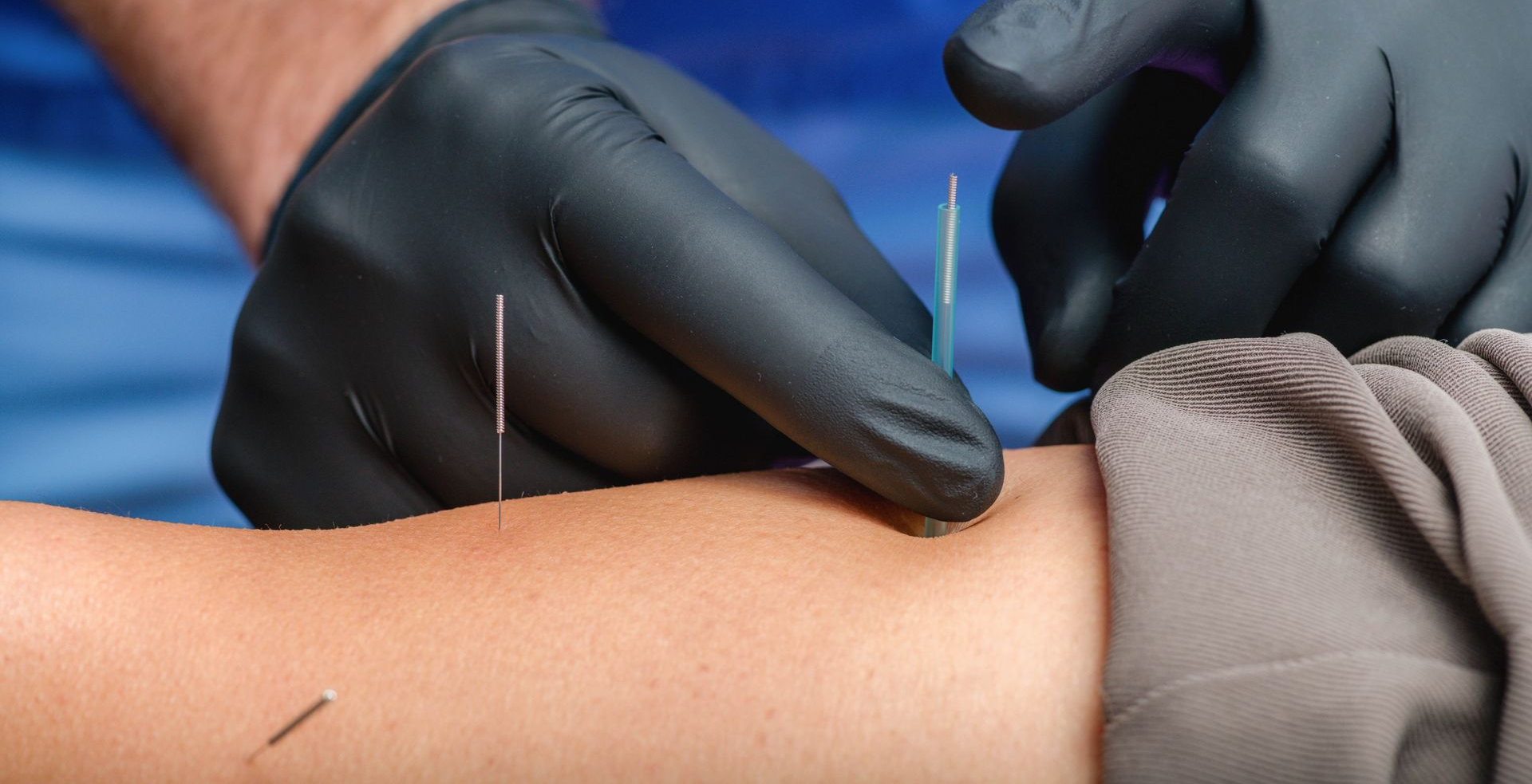
Dry needling is a treatment technique used by some health professionals, including chiropractors, physiotherapists and massage therapists, to help with muscle tension, pain and movement restrictions.
It involves inserting very thin, sterile needles into specific areas of a muscle.
These areas are often referred to as trigger points, which are sensitive spots that may contribute to pain or reduced movement.
The needles are called 'dry' because nothing is injected through them.
How Is Dry Needling Different From Acupuncture?
Although dry needling and acupuncture use similar needles, they are based on different approaches.
Acupuncture comes from traditional Chinese medicine and aims to restore balance within the body's energy systems.
Dry needling is based on modern anatomy and musculoskeletal principles.
The focus is on reducing muscle tension, improving movement and helping manage pain. Sometimes the needles may be placed in similar areas, but the reasoning behind the treatment is different.
Why Do Muscles Become Tight?
Muscles can become tight for all sorts of reasons, and it is usually not just one thing.
Common contributors include:
- Repetitive movements
- Poor posture
- Spending long periods sitting
- Previous injuries
- Restricted joint movement
- Stress and tension
- Lack of physical activity
- Strength or movement imbalances
- Protective muscle guarding after an injury
Sometimes the nervous system continues to keep a muscle switched on, even after the original problem has settled. In those cases, the muscle can remain tight and sensitive for longer than expected.
How Can Dry Needling Help?
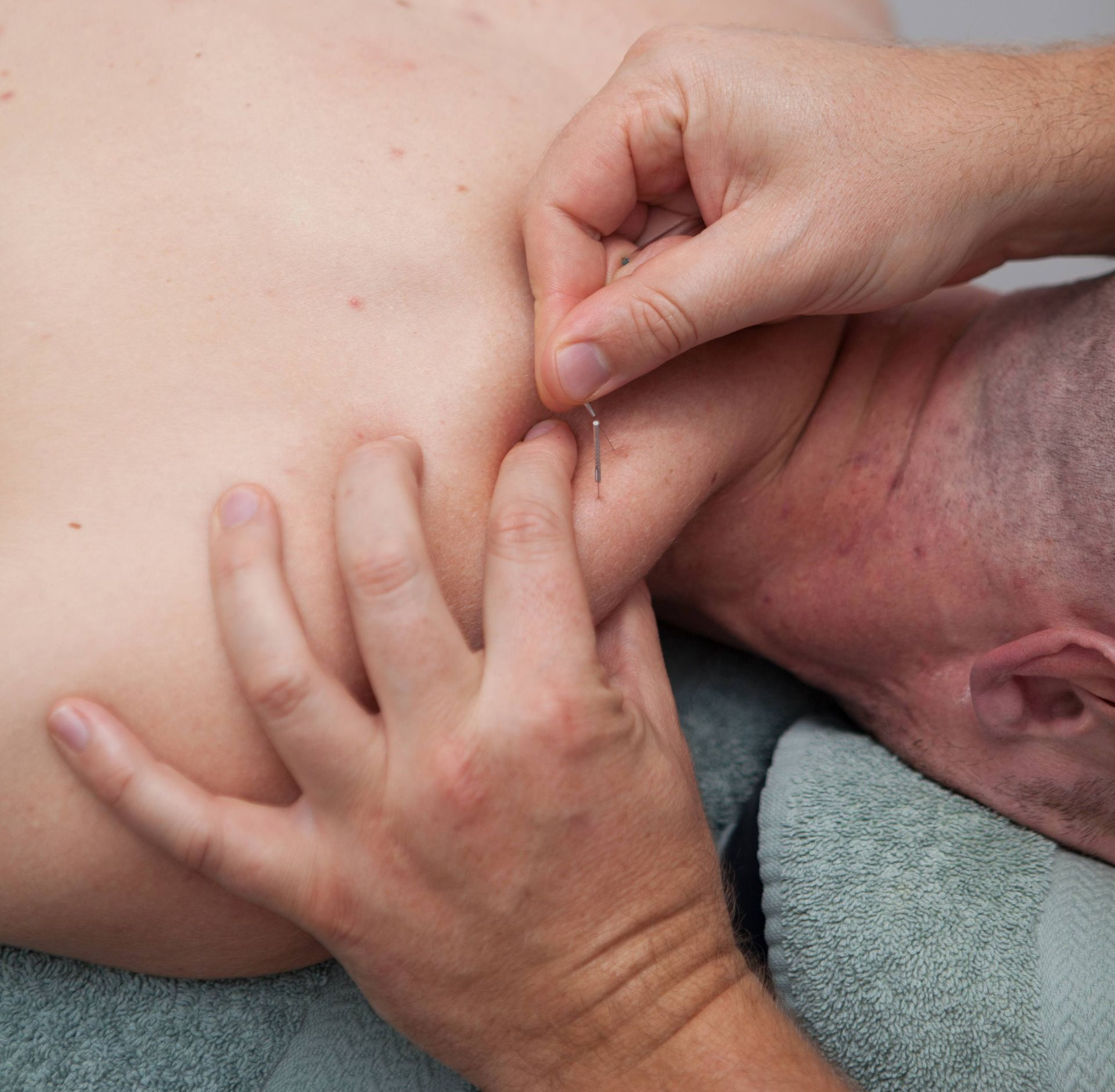
We are still learning exactly how dry needling works, but there are a few ways it appears to help.
For some people, it helps reduce tension within a tight or sensitive muscle.
Others notice improved movement or less discomfort afterwards.
You may also experience a small muscle twitch during treatment. It can feel a little strange, but it is a normal response and is often followed by the muscle feeling more relaxed. Dry needling may also improve local blood flow and influence how the nervous system processes pain, which can help reduce sensitivity and improve muscle function. When muscles are moving better and pain settles down, everyday activities often become easier and more comfortable.
What Does It Feel Like?
One of the most common questions is, 'Does it hurt?'
Everyone experiences it differently.
You might feel:
- A small prick as the needle enters the skin
- Almost nothing at all
- A brief muscle twitch
- A dull ache or cramping sensation
- Mild soreness afterwards, similar to post-exercise soreness
Most people tolerate dry needling very well. If soreness occurs, it is usually mild and settles within a day or two.
What Can Dry Needling Be Used For?

Dry needling is commonly used as part of a treatment plan for:
- Neck pain
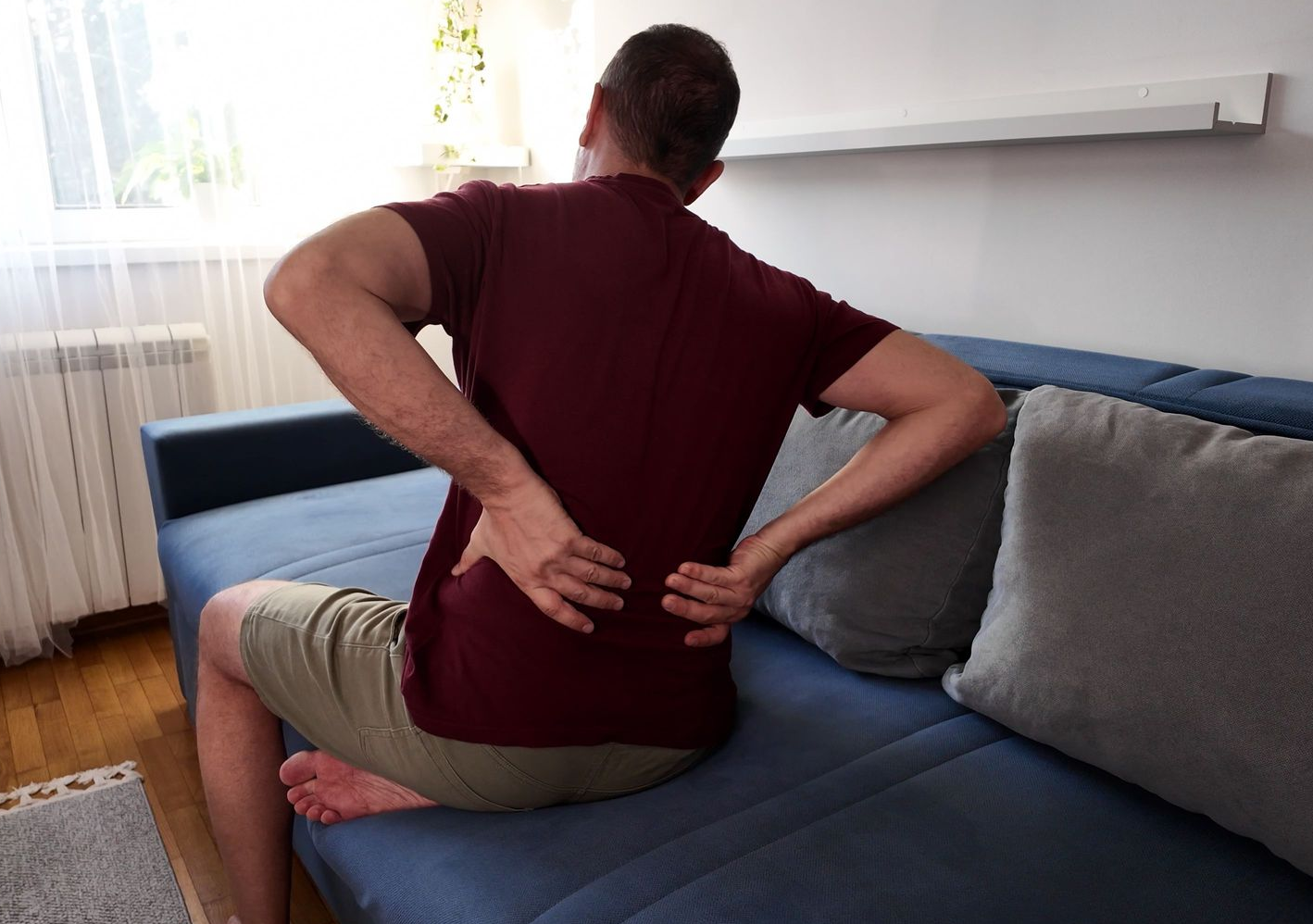
- Low back pain
- Shoulder pain
- Tension headaches and some cervicogenic headaches
- Sports injuries
- Muscle strains
- Hip pain
- Knee pain
Like most treatments, it tends to work best when combined with exercise, movement-based rehabilitation and addressing the underlying cause of the problem.
Common Questions and Misconceptions about Dry Needling
The Needles Are Big and Painful
The needles used for dry needling are extremely thin and much smaller than those used for injections or blood tests. Most people find the treatment far more comfortable than they expected.
Dry Needling Fixes the Root Cause
Not necessarily.
Dry needling can be very effective for reducing pain and muscle tension, but lasting improvement often comes from addressing the factors that contributed to the problem in the first place, such as strength, mobility, posture, workload or movement habits.
You Need a Twitch Response for It to Work
Not true.
A twitch response can occur, but it is not essential. Many people experience good results without one.
It's Unsafe
When performed by a properly trained practitioner using sterile techniques, dry needling is generally very safe. Temporary soreness, bruising or fatigue can occur, but serious complications are rare.
One Session Will Fix Everything
Some people notice significant improvement after one session, while others require a series of treatments alongside exercise and rehabilitation.
Why Combine Dry Needling With Chiropractic Care?
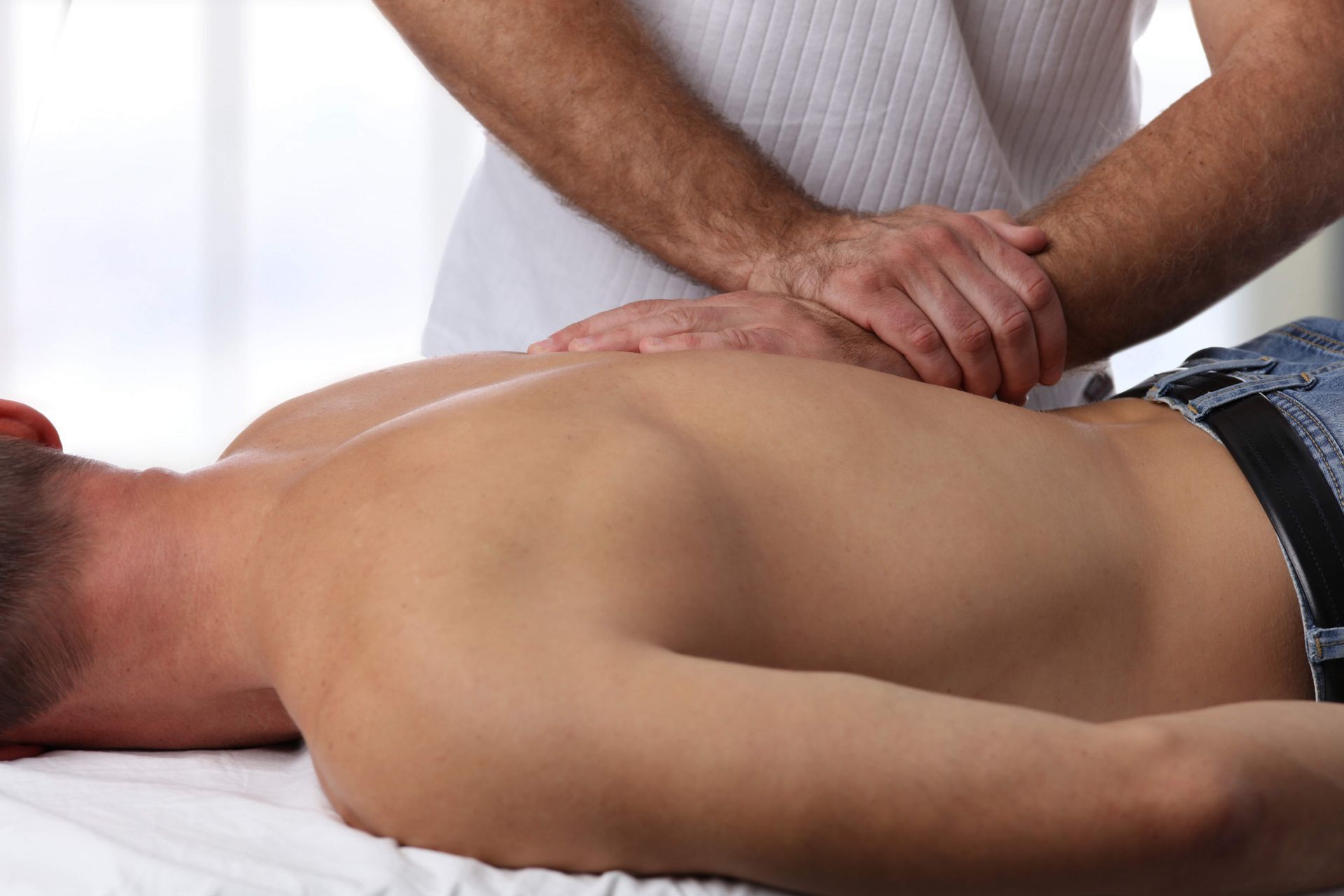
Musculoskeletal problems are rarely caused by a single issue.
Sometimes the muscles are contributing to the problem, and sometimes the joints are not moving as well as they should.
More often, it is a combination of both.
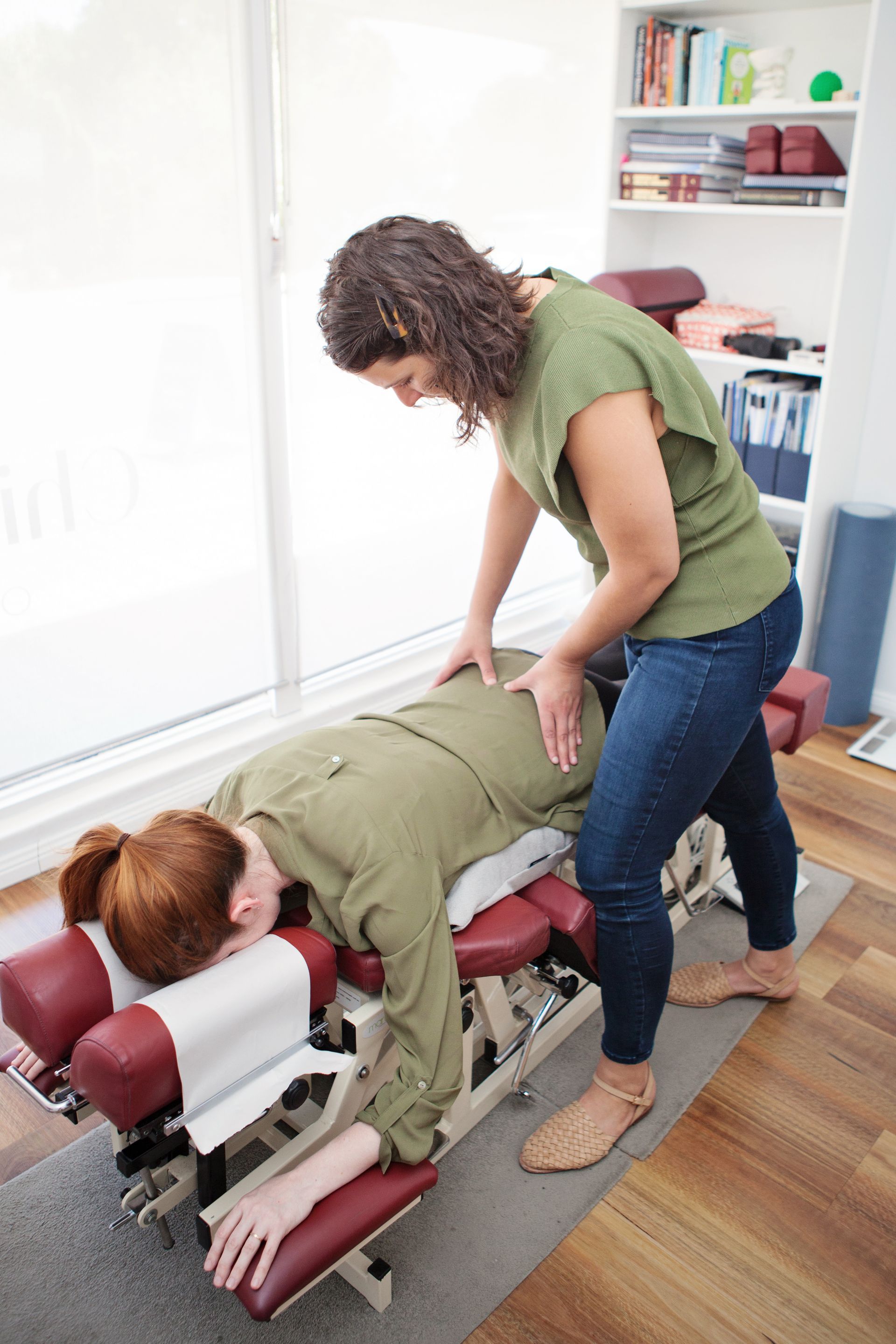
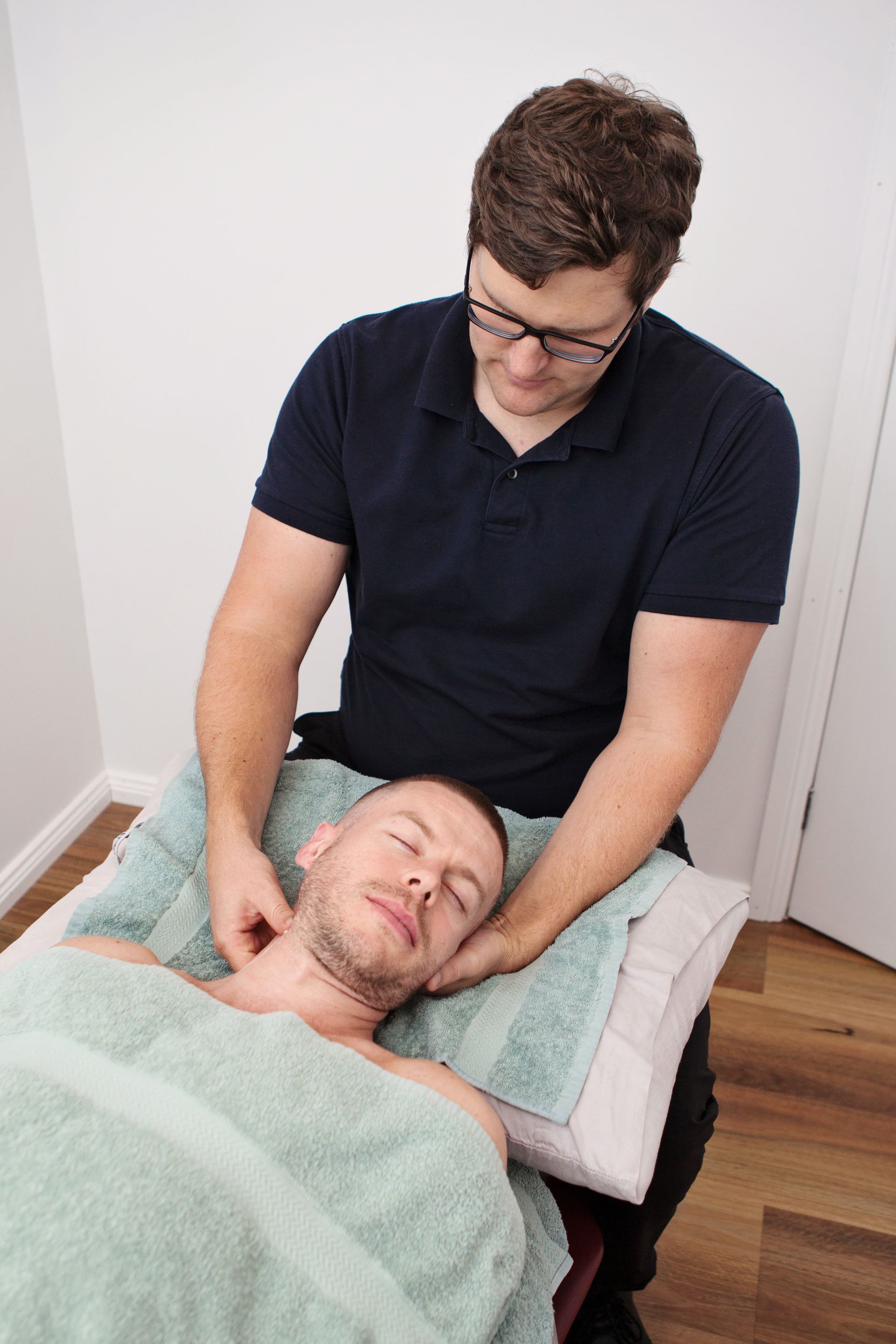
Dry needling can help reduce muscle tension and discomfort, while chiropractic care and manual therapy can help improve joint mobility and movement. For example, someone with neck pain may have both tight muscles and restricted movement through the neck. Addressing both factors often leads to better results than focusing on either one in isolation.
If you'd like to know whether dry needling could help with your particular problem,
feel free to ask our helpful and caring team at Chiropractic On Winston on (08) 7222 8701 or at your next appointment.