


Baby Crawling Milestones & Paediatric Chiropractor Adelaide | Chiropractic on Winston
Baby Crawling Milestones: Why Crawling Matters for Your Baby’s Development
Crawling, the wonder milestone…
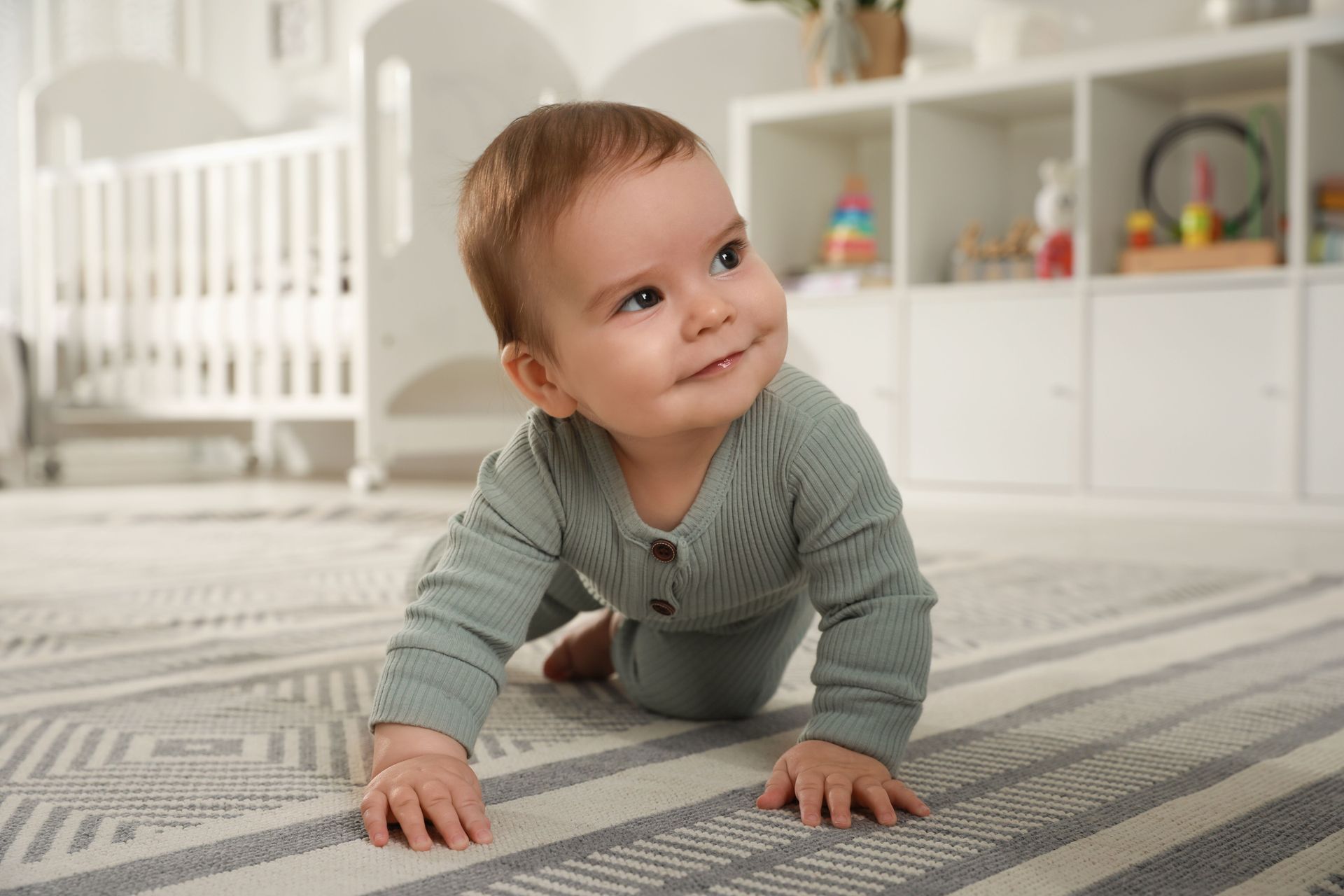
Crawling, that time in a parent’s life where you’re absolutely encapsulated by the fact your child is growing up, but also a little petrified because you know it means they’re growing up and soon to be getting into all those cupboard doors,including all the forgotten ones!
The milestone of crawling is such an interesting one and because it is so interesting,
in this blog we’re going to break it down and help you understand
- Why it’s so important
- How crawling should look
- What are some things you can do at home to help with crawling, and
- How Chiropractic care can help your child to achieve crawling
Our primary focus here at Chiropractic on Winston is treating the whole family, but especially our children and babies, and with our Paediatric qualified Chiropractor, Dr Loukia Papageorgiou, we believe we’re the best people to help!
Why Is Crawling an Important Baby Development Milestone?
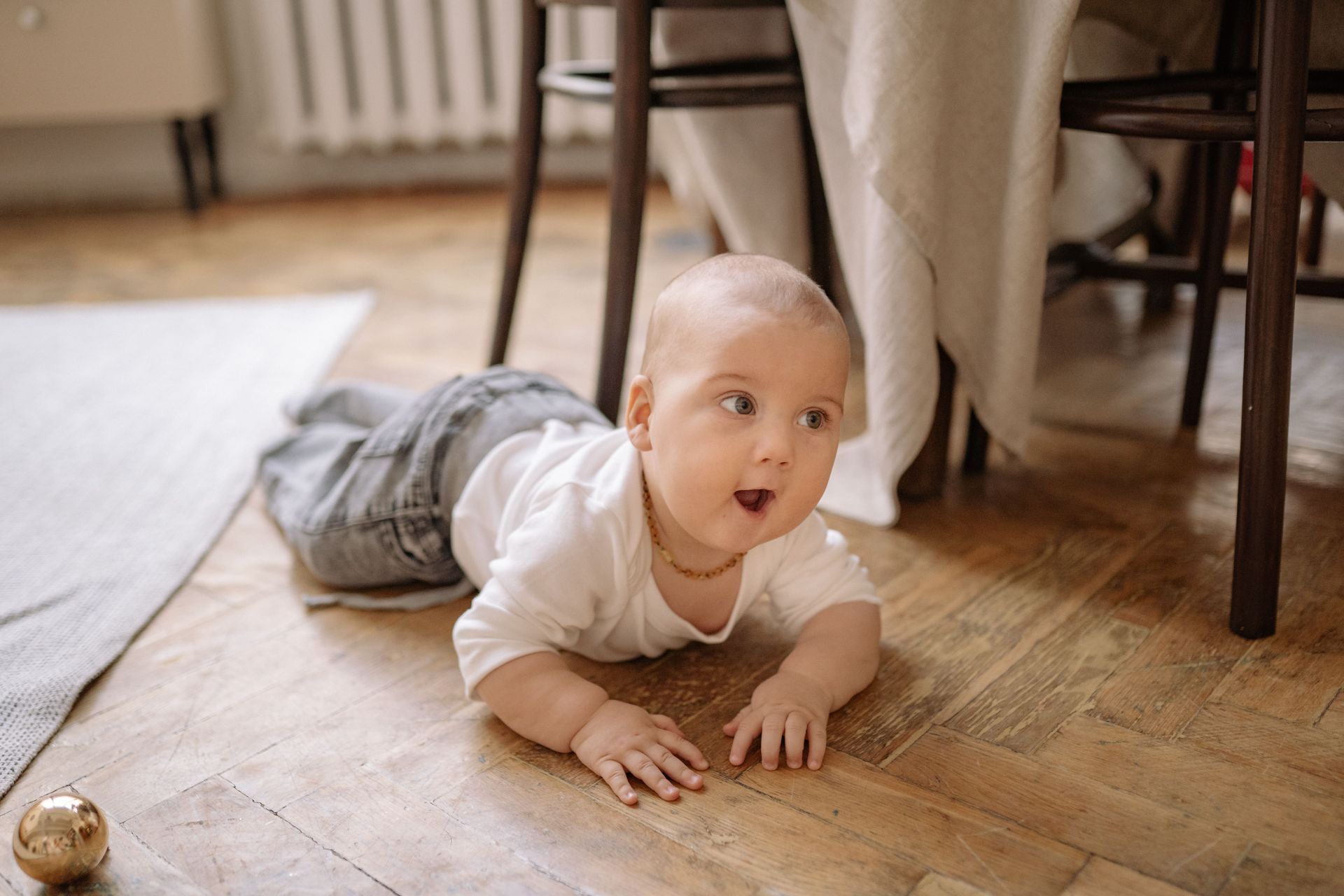
As a Paediatric Trained Chiropractor, we see crawling as a window into your child’s development and it is such a wonderful opportunity for a Paediatric trained Chiropractor to assess, assist and manage should there be a delay in Crawling.
Crawling is a HUGE developmental milestone, and when we talk about developmental milestones, we’re talking about how your child's brain is growing. As your child reaches their developmental markers, your child will need to reach certain other indicators to reach their end goal, which in this case, the end developmental milestone goal is crawling.
Imagine your child’s brain is like a jigsaw puzzle, ultimately the end goal is making the picture on the puzzle box, but we need all of the jigsaw pieces to fit together to get the end result, the picture on the box. As you know when performing a puzzle, there’s lots of trial and error and small steps along the way, this is what it's like with your child’s growth. So, it’s important to understand that this is why developmental milestones matter. When children don’t reach certain milestones like rolling, crawling or sitting unsupported, they’ve missed out on some of the jigsaw pieces that make the bigger picture, and the end picture is incomplete or not the right picture!
What Are the Benefits of Crawling for Babies?
**Strength Building**
- Through the hands, into the shoulder, which will help with long term upper body strength and may lead to long term neck strength.
**Coordination** of both left and right brain hemispheres
- Often meaning children will be able to read and write easily, as they need to be able to cross the midline to read!
**Exploration and self-expression**
- This is the first time your baby is able to decide where they want to go!
**Sensory input**
- From the different textures they are crawling on; and
It gives them the chance to **problem solve**
- Should they get stuck or need to muster their way out of an awkward position.
Did you know that crawling is a unique skill to humans? Our primate brothers and sisters do not crawl! So, there's something to be said about the importance of crawling and just how important it is to your child's growth and development.
What Does Normal Baby Crawling Look Like?
Proper crawling is the use of opposite arm and leg moving. Children should crawl on average by 8 months, but it's not unusual if children crawl before usually around 5 to 13 months of age.
Common Baby Crawling Styles and Movement Patterns
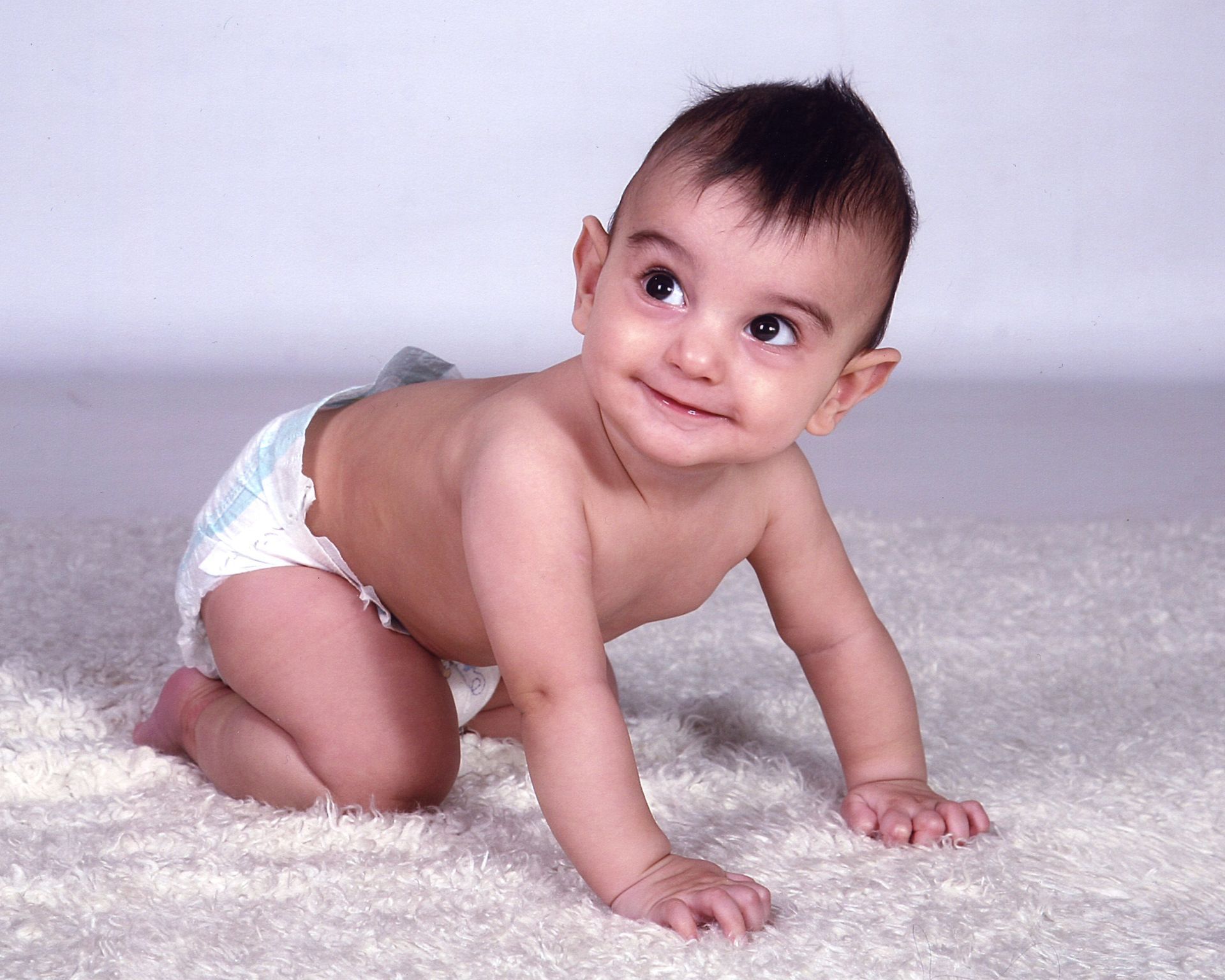
Other variations to crawling include
- The Scoot: sitting on their bum and using the arms to propel them forward
- The Creep: laying on their tummy and using their forearms and knees to move them forward
- The Bear Crawl: on all fours with knees off the ground, and using opposite arm and leg to move
- The Step/ Crawl Mix: this is a hybrid between the bear Crawl & Normal crawling
- The Step/ Scoot Mix: This is like a Scoot position, but they are using their pelvis and elbow to create momentum to move
Any of the above moves, is not proper crawling, and indicates certain areas of attention,
that our Paediatric trained Chiropractor can assist with.
What Developmental Skills Does Your Baby Need Before Crawling?

Here’s a checklist of some of the important features that your child needs to be able to perform in order to crawl
(tick off whether your child can perform the following)
- Tummy time - up to 30 mins a day
- Rolling from back to front on both sides of their body, i.e. both rolling to the right and the left
- Can they sit unsupported (this is going to be age appropriate, by 6 months a child should sit unsupported)
- Can your child lay on their back with their knees in a 90/90 position with knees on top of hips?
- Can your child raise their arms to the ceiling with open palms?
- Does your child have significant head lag when they go from a pull to sit position?
The above signs are just some of the characteristics that we need to see in order for children to be able to crawl.
How do you go with the checklist?
And what type of crawl pattern does your child have?
How Can You Help Your Baby Learn to Crawl at Home?
Tummy Time: if you’re not sure, read more about it on our website Tummy Time page
Elbow/ Shoulder strengthening exercises: place them sitting on your lap, elbows in your hands
and tilt them forward to roughly 45 degrees and get them to resist you
On their hands and knees rock their pelvis backwards and forwards
If able to sit on their own, tilt them from side to side
See this video below for more tips to help your baby crawl
Can a Paediatric Chiropractor Help if Your Baby Isn’t Crawling?
Like we talked about earlier, it is all about piecing the pieces of the jigsaw puzzle together, and this is where Chiropractic can fit in.
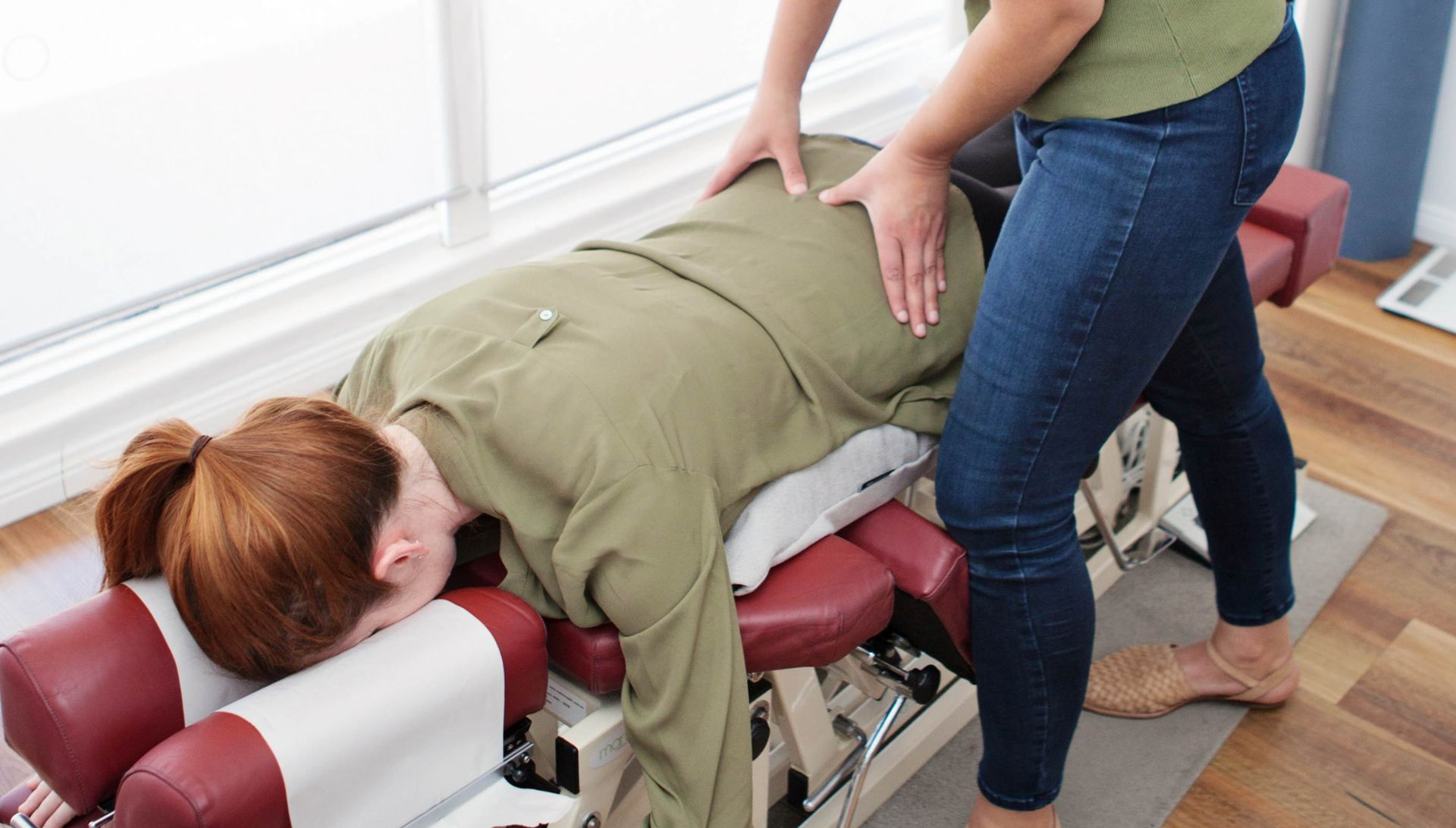
We can assess if there are areas of the child’s spine that is tight or holding tension, making it tricky for them to perform the exercise.
We can further assess your child to see if they’re meeting certain mini milestones (jigsaw puzzle pieces) to help them achieve crawling; and we can then advise on a tailored exercise approach for your child and provide safe and effective treatments.
Contact us, call (08) 7222 8701 for more information and to book, or you can easily Book Online!