


7 Best Neck Pain Stretches to Relieve Neck Tension | Adelaide
7 Best Stretches for Neck Pain and Tension Relief

Neck pain and stiffness are common problems, particularly for people who spend long hours sitting at a desk, working on computers or looking down at mobile phones. Poor posture, muscle tension, prolonged sitting and repetitive movements can all contribute to discomfort in the neck and shoulders.
Fortunately, incorporating gentle neck stretches and exercises into your daily routine may help improve flexibility, maintain mobility and ease everyday muscle tension. Whether you experience occasional neck stiffness or tight shoulders after a long day at work, taking a few minutes to move and stretch can be a useful part of looking after your neck.
At Chiropractic on Winston in Melrose Park, Adelaide, we understand how neck discomfort can affect everyday activities. Here are seven gentle stretches and exercises that may help support better neck mobility and relieve muscle tension.
Why Does Neck Pain and Stiffness Occur?
The neck supports the weight of your head and allows you to perform a wide range of movements throughout the day. It contains muscles, joints, ligaments and other structures that work together to provide stability and mobility.
However, everyday habits can place additional strain on these structures.
Some common contributors to neck discomfort include:
- Poor posture: Frequently leaning forward or looking down at a phone or computer can increase strain on the neck muscles.
- Prolonged sitting: Remaining in one position for extended periods may contribute to muscle stiffness and discomfort.
- Muscle tension: Stress and repetitive activities can cause the muscles around the neck and shoulders to become tight.
- Sleeping positions: An uncomfortable sleeping position or unsuitable pillow may contribute to morning neck stiffness.
- Repetitive movements: Repeatedly turning or holding the head in the same position may contribute to muscular fatigue.
Regular movement, appropriate workstation adjustments and gentle stretching may help reduce some of these contributing factors.
7 Best Neck Pain Stretches to Relieve Tension
The following exercises target different muscles around the neck and shoulders. They can be incorporated into a gentle daily movement routine, provided they feel comfortable.
Move slowly, avoid forcing any movement and never bounce or pull aggressively during a stretch.
1. Chin Tucks for Better Neck Posture
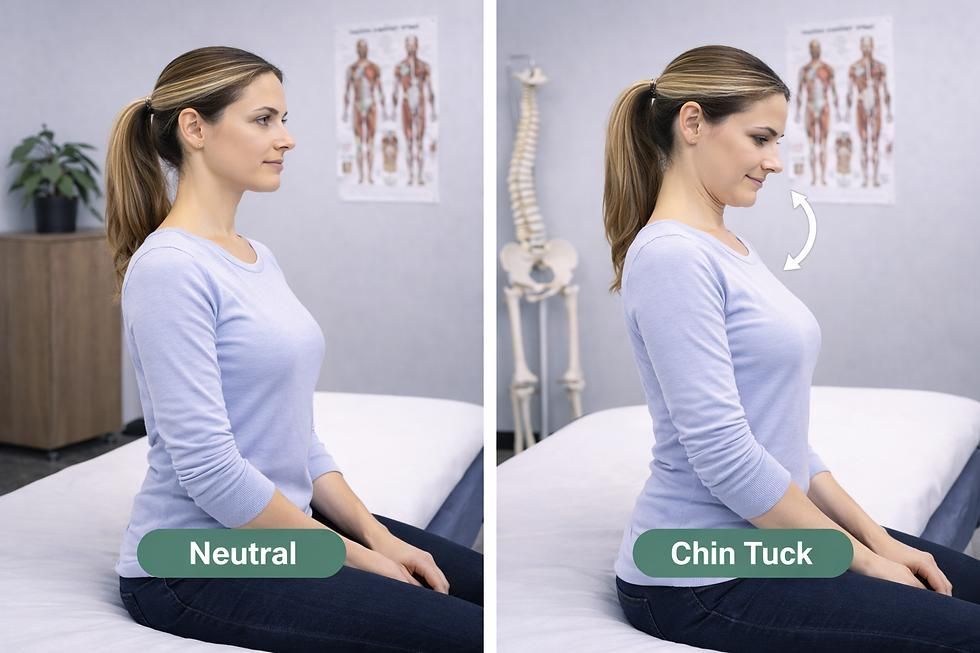
Chin tucks are a simple exercise that activates the deep muscles supporting the neck. They encourage a more neutral head position and can help address the forward-head posture often associated with prolonged screen use.
How to do it:
- Sit or stand upright with your shoulders relaxed.
- Look straight ahead, keeping your head level.
- Gently draw your chin backwards, as though making a small double chin.
- Keep your eyes facing forwards rather than looking down.
- Hold for approximately 5 seconds.
- Relax and return to your starting position.
- Repeat 8–10 times.
Benefits: Chin tucks help develop awareness of head and neck positioning while activating muscles that support the cervical spine.
2. Levator Scapulae Stretch

The levator scapulae muscle connects the upper shoulder blade to the neck. Tightness in this muscle may contribute to discomfort around the side and back of the neck, particularly after prolonged sitting or desk work.
This stretch gently targets the muscle and surrounding tissues.
How to do it:
- Sit upright with your shoulders relaxed.
- Slowly turn your head approximately 45 degrees to the right.
- Gently lower your chin towards your right armpit.
- If comfortable, rest your right hand lightly on the back of your head without pulling forcefully.
- Hold for approximately 20–30 seconds.
- Slowly return to the starting position.
- Repeat on the opposite side.
Benefits: This stretch may help ease tightness around the back and side of the neck and improve comfortable neck movement.
3. Upper Trapezius Stretch

The upper trapezius muscles extend from the neck towards the shoulders. They help support the head and assist with shoulder movement.
These muscles can become tense following prolonged computer use, stress or activities that involve holding the shoulders in an elevated position.
How to do it:
- Sit comfortably with your back straight.
- Relax your shoulders and allow your arms to rest naturally.
- Place your left hand behind your back if comfortable.
- Slowly tilt your right ear towards your right shoulder.
- Keep your left shoulder relaxed and avoid lifting it.
- Hold for approximately 20–30 seconds.
- Return gently to the starting position.
- Repeat on the opposite side.
Benefits: This stretch targets the muscles along the sides of the neck and upper shoulders, potentially helping reduce feelings of tightness.
4. Lateral Neck Stretch
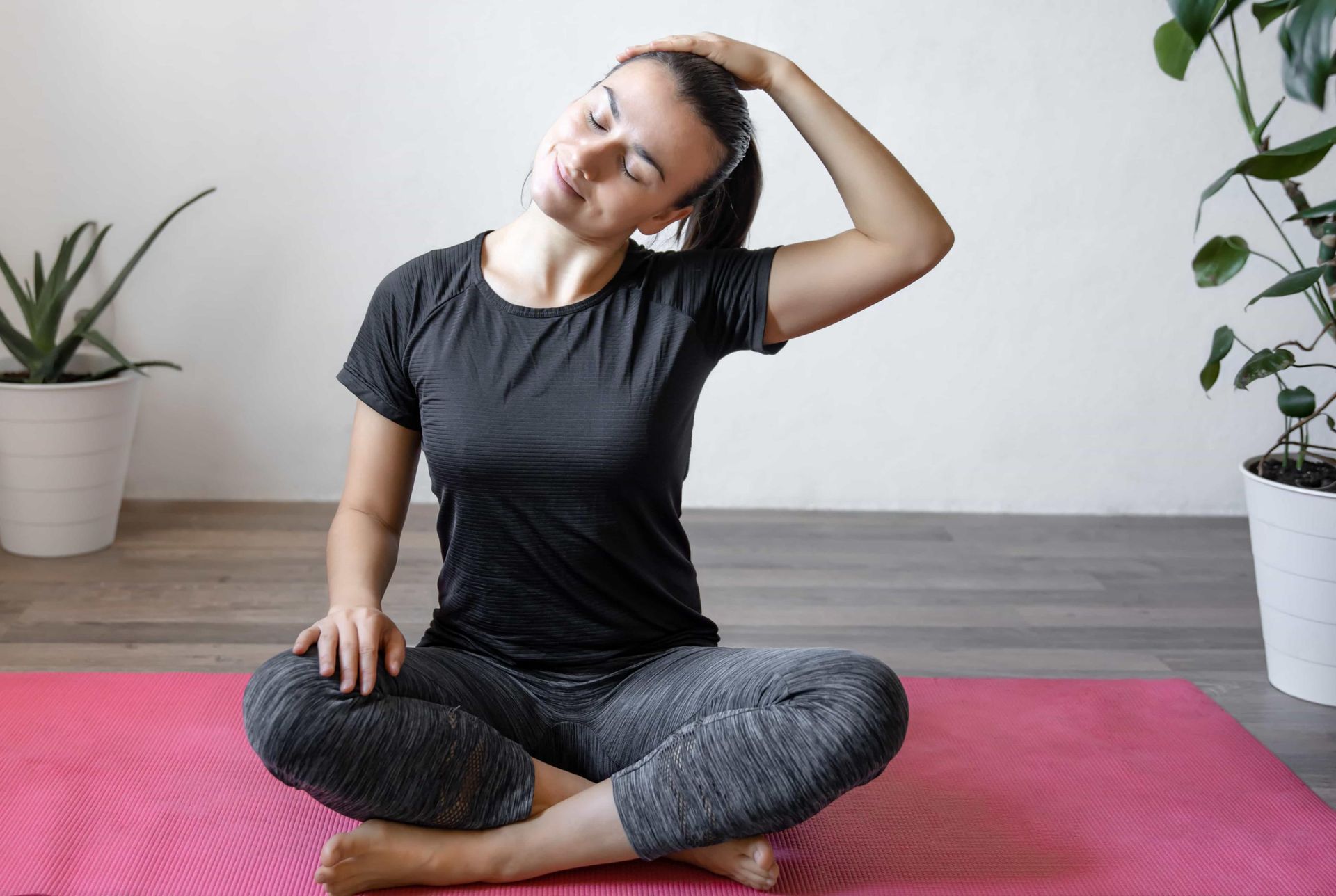
The lateral neck stretch is a straightforward exercise that gently lengthens the muscles along the sides of the neck.
It can be particularly useful for people who experience general neck tightness after spending extended periods sitting or working at a computer.
How to do it:
- Sit or stand upright with your shoulders relaxed.
- Look straight ahead.
- Slowly tilt your head towards your right shoulder.
- Keep your right shoulder down rather than lifting it towards your ear.
- Stop when you feel a comfortable stretch along the left side of your neck.
- Hold for approximately 20–30 seconds.
- Return slowly to the starting position.
- Repeat on the left side.
Benefits: This exercise may help maintain flexibility in the muscles along the sides of the neck and improve comfortable movement.
5. Seated Neck Release
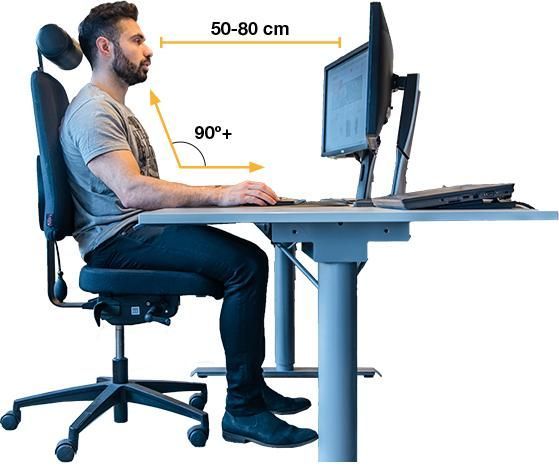
The seated neck release is a gentle stretch that targets the muscles around the neck and shoulders.
It can be performed at home, at work or whenever you need a short movement break.
How to do it:
- Sit upright in a comfortable chair with your feet supported.
- Relax your shoulders and keep your back straight.
- Place your right hand lightly on the left side of your head.
- Slowly tilt your head towards your right shoulder.
- Allow your hand to provide gentle guidance without pulling.
- Hold for approximately 20–30 seconds.
- Slowly return to the starting position.
- Repeat on the opposite side.
Benefits: This stretch may help ease everyday muscular tension around the neck and upper shoulders.
6. Shoulder Rolls

Neck discomfort is sometimes accompanied by tightness in the shoulders and upper back.
Shoulder rolls are an easy movement that can help loosen the shoulder area and encourage regular movement throughout the day.
How to do it:
- Sit or stand comfortably with your arms relaxed at your sides.
- Slowly lift your shoulders towards your ears.
- Roll your shoulders backwards in a smooth circular movement.
- Lower them gently.
- Repeat approximately 10 times.
- Reverse the movement and roll your shoulders forwards another 10 times.
Benefits: Shoulder rolls encourage movement around the shoulder joints and may help reduce feelings of stiffness after prolonged sitting.
7. Gentle Neck Rotation Stretch
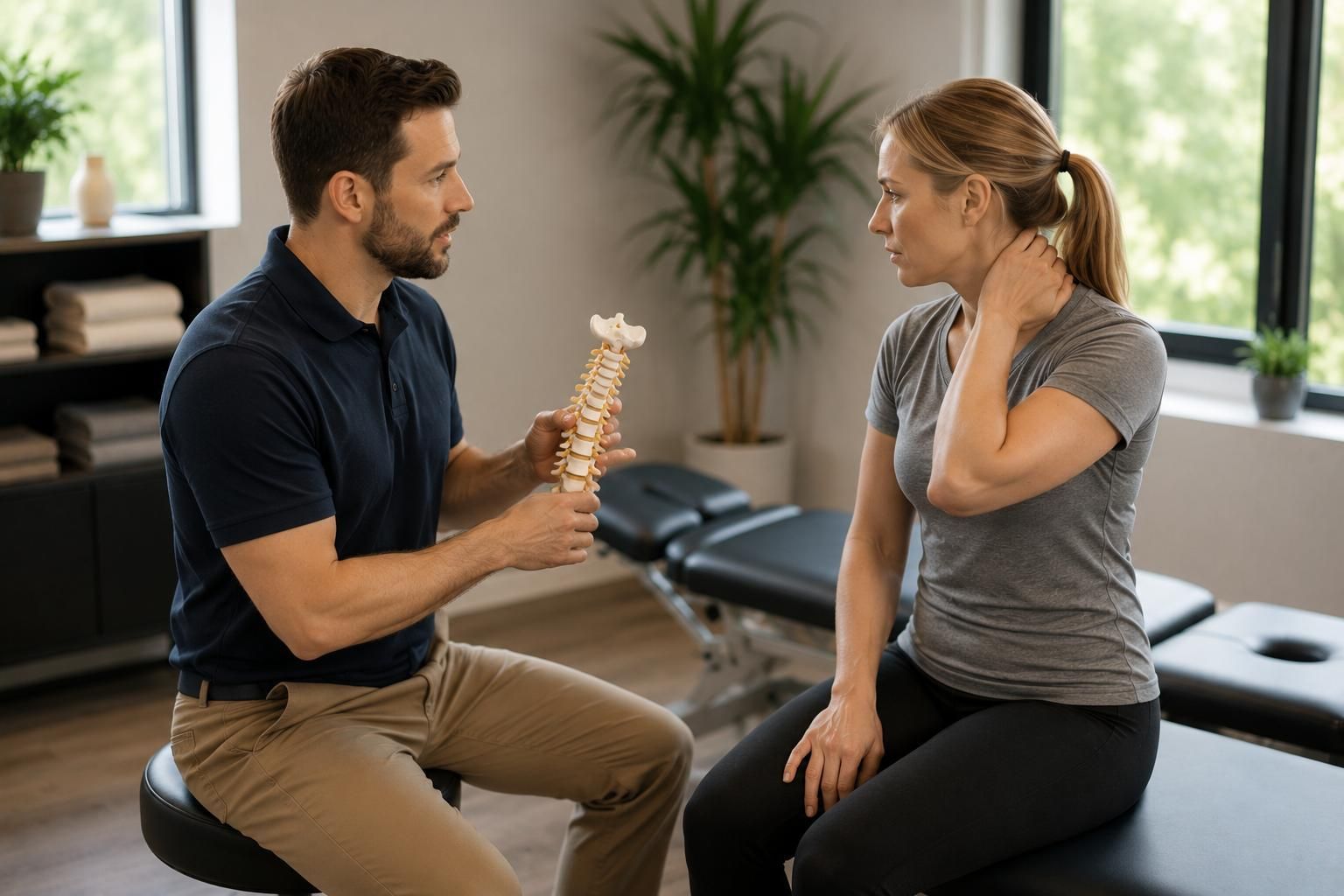
Neck rotation helps maintain the comfortable range of movement used when turning your head to look over your shoulder.
This exercise can be useful for people who experience mild stiffness after remaining in one position for too long.
How to do it:
- Sit or stand upright with your shoulders relaxed.
- Look straight ahead.
- Slowly turn your head towards the right.
- Stop when you reach a comfortable range of movement.
- Hold for approximately 5–10 seconds.
- Slowly return to the centre.
- Repeat towards the left.
- Complete approximately 5 repetitions on each side.
Benefits: Gentle neck rotations may help maintain mobility and reduce feelings of stiffness.
How Often Should You Do Neck Stretches?
Consistency is generally more useful than forcing long or intense stretches.
If the exercises feel comfortable, you can incorporate a few of them into your daily routine, particularly after periods of prolonged sitting or computer work.
A simple routine could include:
- Chin tucks: 8–10 repetitions.
- Shoulder rolls: 10 repetitions forwards and backwards.
- Lateral neck stretches: 20–30 seconds on each side.
- Gentle neck rotations: 5 repetitions on each side.
Start gently and adjust the movements to your comfort and individual needs.
You do not need to complete every exercise in one session. Choose the movements that feel comfortable and avoid stretching into pain.
If an exercise causes increased pain, dizziness, tingling or other unusual symptoms, stop and seek appropriate professional advice.
Tips to Prevent Neck Pain When Working at a Desk
Spending long periods at a computer can contribute to neck and shoulder tension, particularly when your workstation encourages you to lean forwards or hold your head in an uncomfortable position.
Making a few adjustments to your daily working habits may help reduce unnecessary strain.
1. Position Your Computer Screen Comfortably
Position your monitor so that you can look at the screen without constantly bending your neck forwards or downwards.
2. Maintain Relaxed Shoulders
Avoid holding your shoulders raised or tense while typing. Keep your arms comfortably supported where possible.
3. Take Regular Movement Breaks
Try to change positions regularly throughout the day. Stand up, walk around and gently move your neck and shoulders.
4. Avoid Prolonged Phone Use With Your Head Bent Forward
Bring your phone closer to eye level rather than continually looking down towards your lap.
5. Pay Attention to Your Sleeping Position
Choose a comfortable pillow that supports a neutral head and neck position. Avoid sleeping in positions that consistently leave your neck feeling uncomfortable.
Small changes to these daily habits can help support more comfortable movement and reduce prolonged postural strain.
When Should You Seek Professional Help for Neck Pain?
Occasional neck stiffness may improve with gentle movement, rest and adjustments to everyday habits. However, persistent, recurring or worsening neck pain should not be ignored.
Consider seeking professional assessment if:
- Neck discomfort continues or regularly returns.
- You experience difficulty turning your head.
- Neck pain interferes with work, sleep or everyday activities.
- You experience pain that spreads into your shoulder or arm.
- You notice persistent tingling, numbness or weakness.
Seek urgent medical assessment for new or significant weakness, symptoms following a serious injury, or neck pain accompanied by severe headache, fever or other concerning symptoms. A qualified health professional can assess your symptoms and help determine whether further investigation or treatment is appropriate.
How Chiropractic Care and Remedial Massage May Help Neck Pain
While gentle exercises and good posture habits can be helpful, some people with ongoing neck discomfort
may benefit from a more individualised approach.
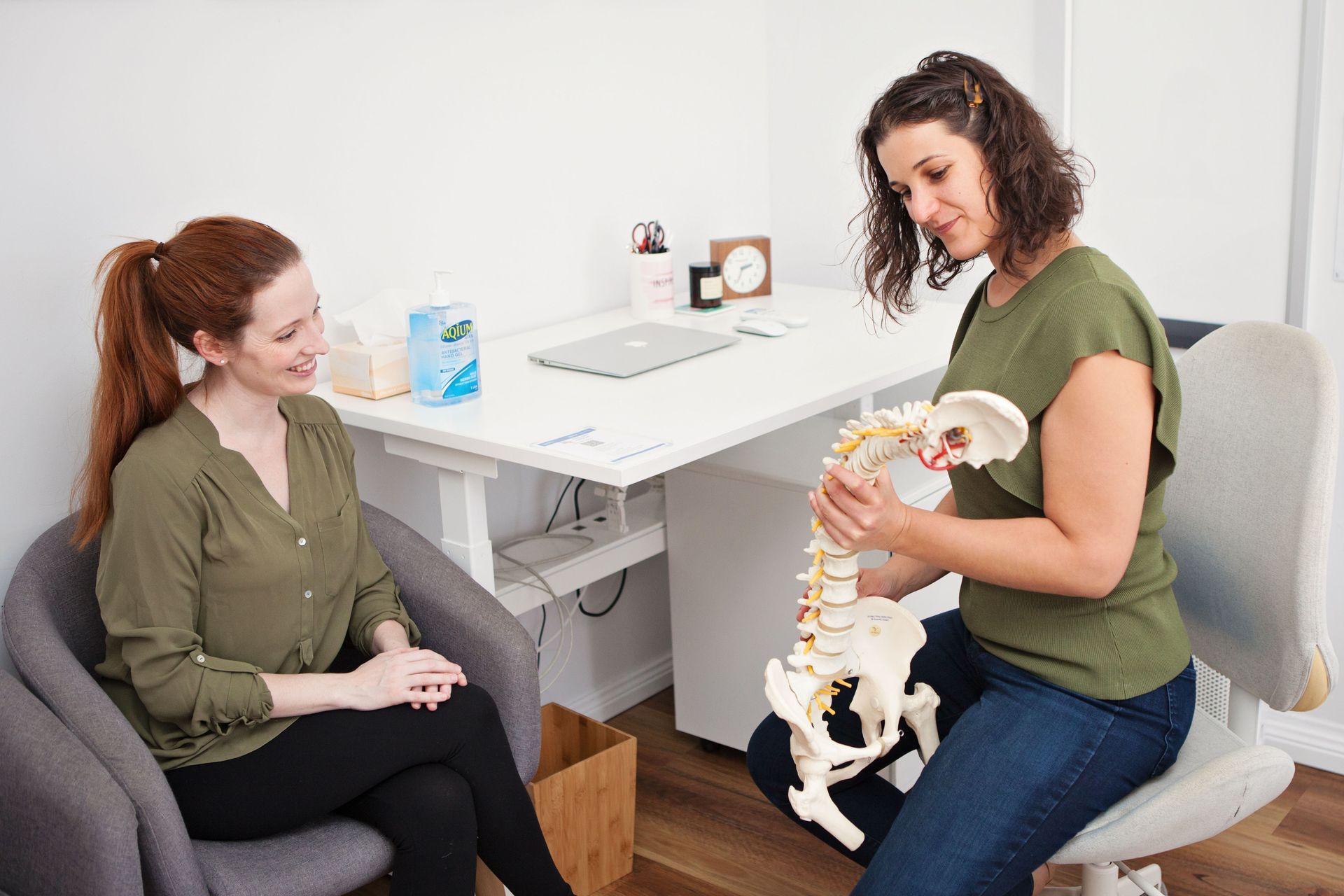
At Chiropractic on Winston, we provide chiropractic care and remedial massage in Melrose Park, Adelaide.
Depending on your symptoms and individual circumstances, professional care may include:
- Chiropractic assessment: An assessment of your symptoms, movement
and relevant physical factors to help determine appropriate management options.
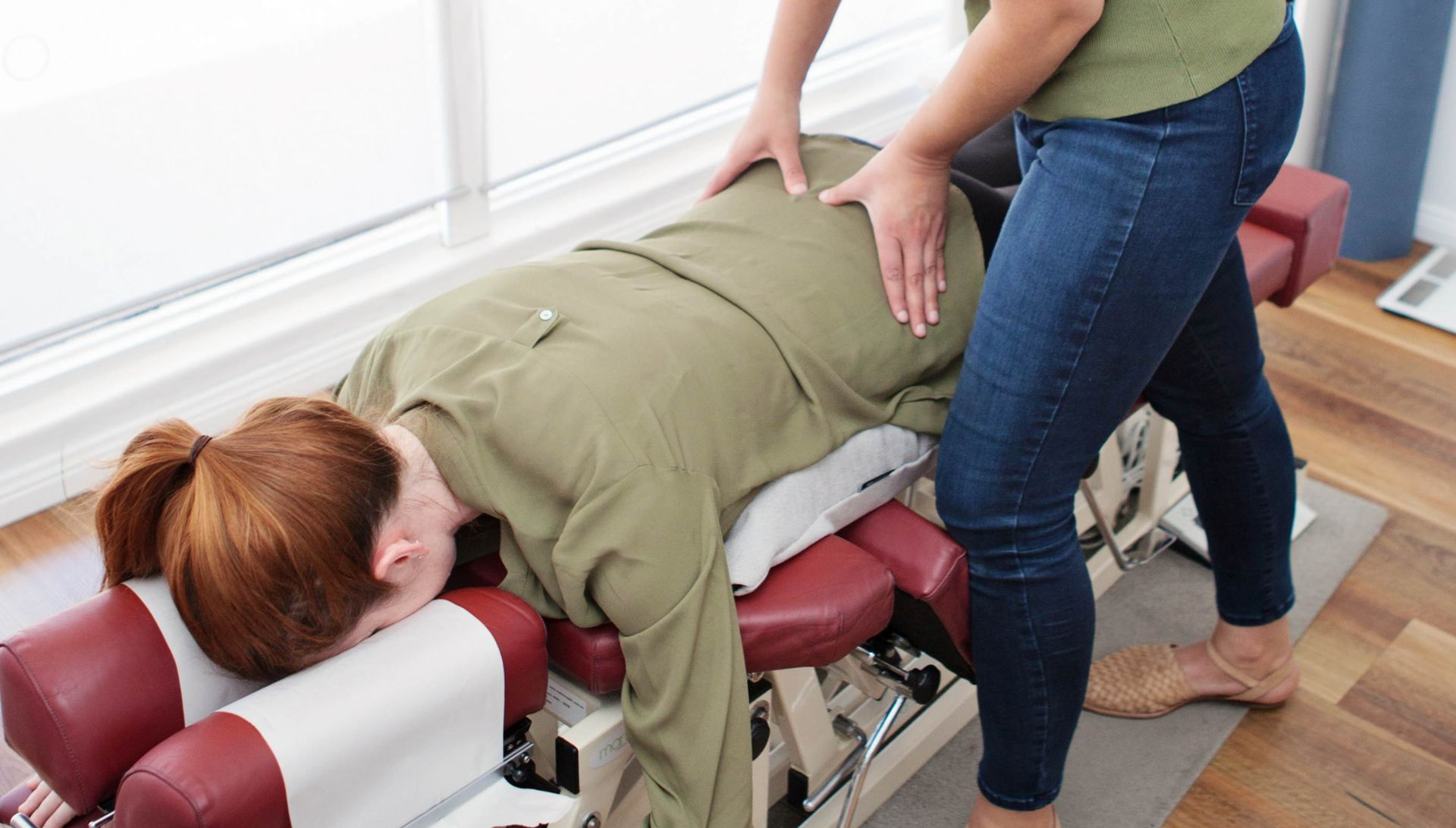
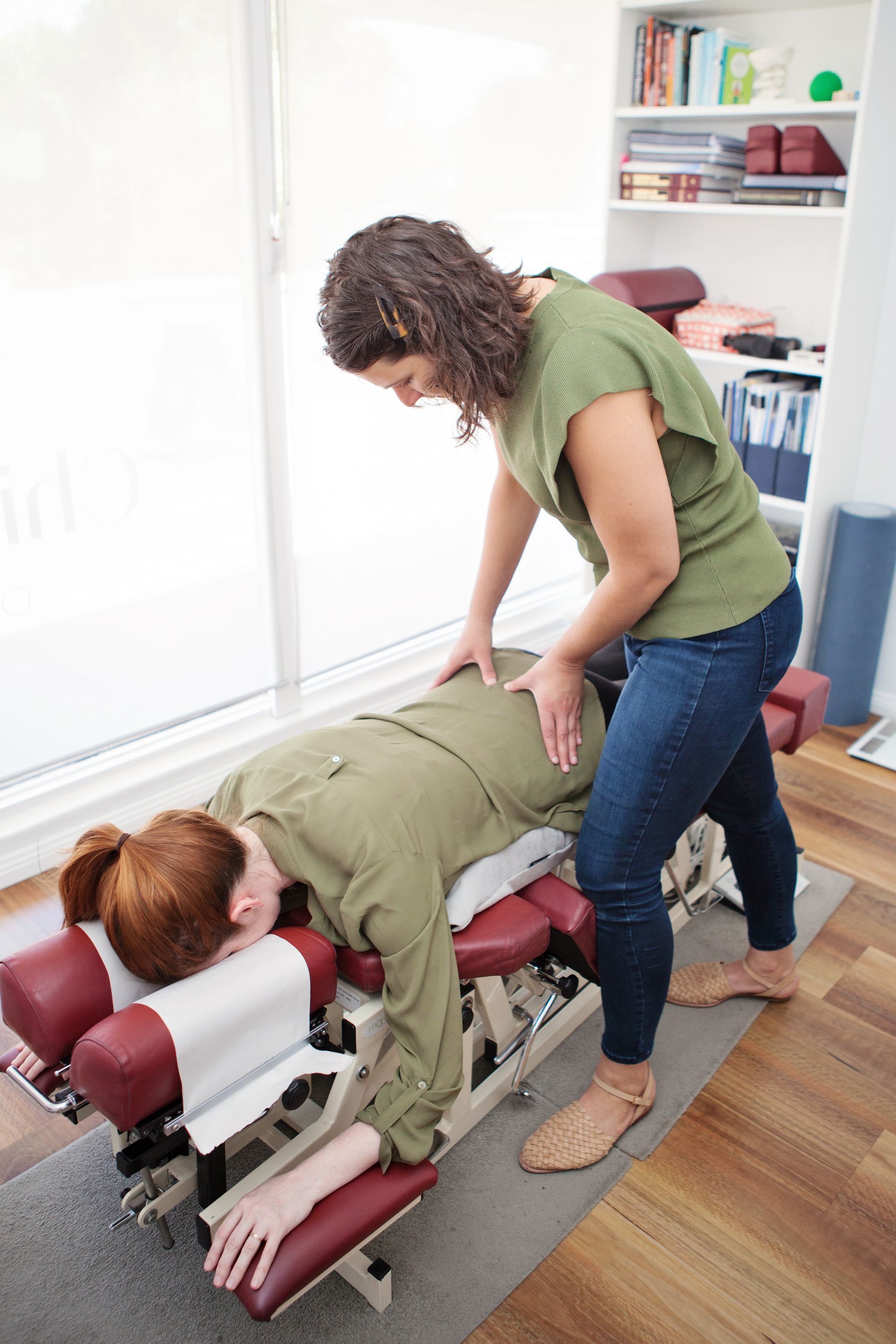
- Chiropractic care: Treatment options tailored to your individual presentation and clinical needs.
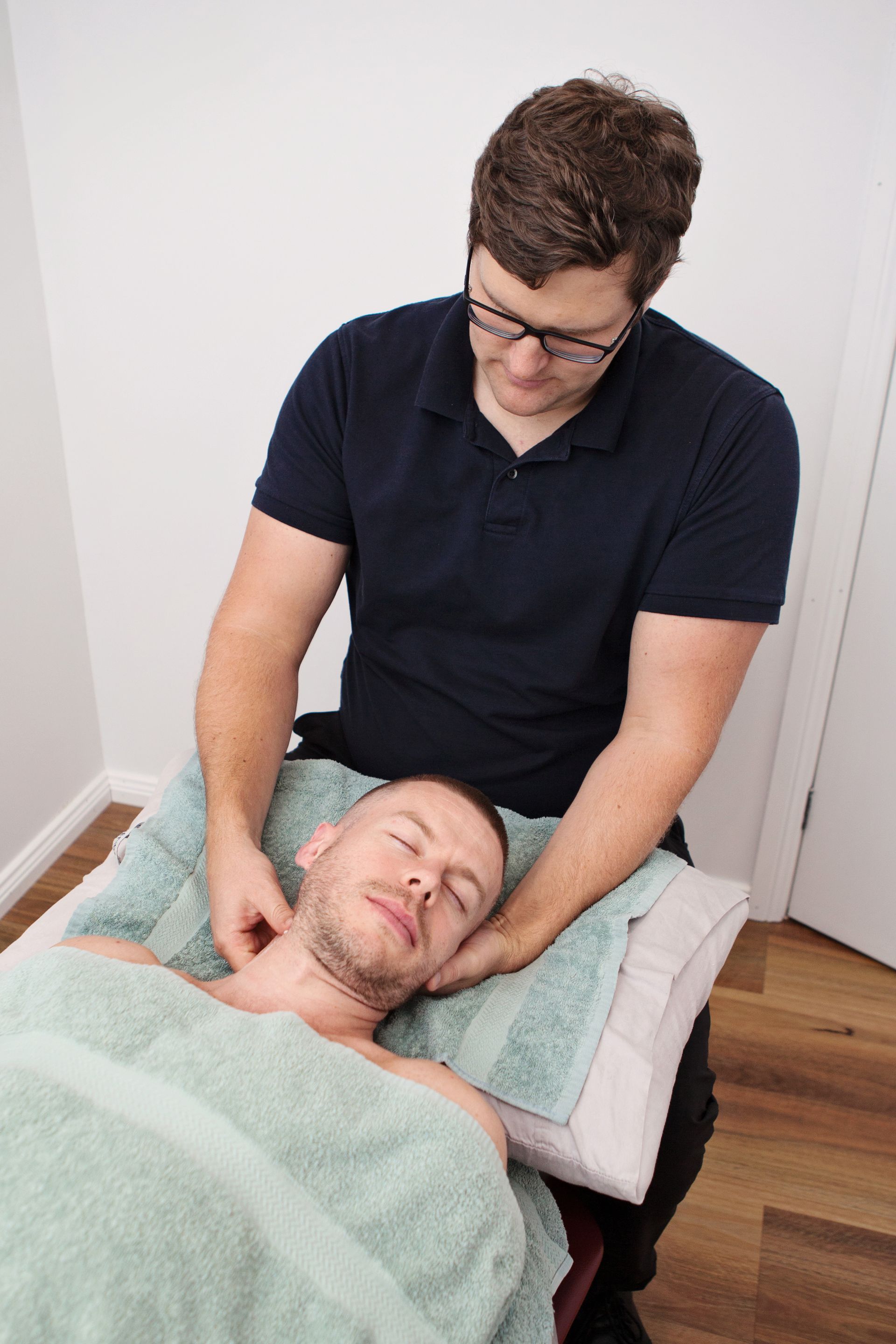
- Remedial massage: Hands-on soft tissue techniques that may help address
muscle tightness and discomfort around the neck and shoulders.
- Movement advice: Practical guidance on posture, everyday movement and exercises
that may be appropriate for your situation.
If you're experiencing persistent neck pain or recurring muscle tension, an individual assessment can help identify suitable options for managing your symptoms. Learn more about our neck pain treatment in Adelaide.
You can also explore our chiropractic services and remedial massage services in Adelaide.
Need Help With Neck Pain? Visit Chiropractic on Winston in Adelaide
While gentle stretching and regular movement can help ease everyday neck tension,
persistent or recurring neck pain may require professional assessment.
At Chiropractic on Winston, our team provides personalised chiropractic care and remedial massage in Melrose Park, Adelaide.
Whether you're experiencing neck stiffness, muscle tension, postural discomfort or ongoing neck pain, our team can discuss your symptoms and help you explore suitable treatment options.
We also offer remedial massage to help address muscle tightness and discomfort affecting the neck and shoulders.
If you're struggling with neck pain, contact our friendly team to find out how we may be able to help.
Chiropractic on Winston
92 Winston Avenue, Melrose Park SA 5039
Phone: (08) 7222 8701 or Book an appointment online
Frequently Asked Questions About Neck Pain Stretches
What Is the Best Stretch for Neck Pain?
There is no single stretch that is best for everyone. Chin tucks, lateral neck stretches and gentle shoulder movements may help some people experiencing everyday neck tension. The most suitable exercises depend on the cause of your discomfort and your individual movement abilities.
How Often Should I Stretch My Neck?
Gentle neck movements can be incorporated into your daily routine, particularly if you spend long periods sitting or working at a computer. Start with a few comfortable repetitions and avoid forcing any movement.
Can Stretching Help With a Stiff Neck?
Gentle stretching and movement may help ease some forms of muscular stiffness and maintain neck mobility. However, stretching may not be appropriate for every cause of neck pain. If stiffness is severe, persistent or worsening, seek professional assessment.
Can Poor Posture Cause Neck Pain?
Prolonged awkward positioning, including repeatedly leaning forwards or looking down at a phone, can contribute to neck muscle strain and discomfort. Improving workstation ergonomics and taking regular movement breaks may help reduce these contributing factors.
When Should I See a Chiropractor for Neck Pain?
If your neck pain is persistent, recurring or interfering with your everyday activities, consider seeking an appropriate professional assessment. A chiropractor can assess relevant musculoskeletal factors and discuss whether chiropractic care may be suitable. New weakness, numbness or other concerning symptoms should receive appropriate medical assessment.