


CHIROPRACTIC AND REMEDIAL MASSAGE FOR PELVIC INSTABILITY PAIN IN ADELAIDE

Understanding Pelvic Instability
Pelvic instability pain occurs when the joints and supporting structures of the pelvis are unable to maintain proper alignment and control during movement.
The pelvis is central to body mechanics, linking the upper and lower body while supporting posture and mobility.
When instability develops, it can place excessive strain on joints, ligaments, and muscles, leading to discomfort and reduced function. Pain may be felt in the lower back, hips, groin, or thighs, and can interfere with daily activities.
Causes of Pelvic Instability
Pelvic instability can develop due to several contributing factors:
- Hormonal changes, particularly during pregnancy, which loosen ligaments
- Injury or trauma such as falls or sports impacts
- Weak core, glute, or pelvic floor muscles
- Poor posture and prolonged sitting
- Repetitive strain or uneven movement patterns
These factors often combine, making the pelvis less stable over time.

Common Symptoms
Symptoms of pelvic instability vary but often include:
- Lower back or pelvic pain
- Hip or groin discomfort
- Clicking or grinding sensations in the pelvis
- Pain when walking, standing, or rolling in bed
- Difficulty balancing on one leg
- Stiffness or reduced mobility
Symptoms may worsen with activity or prolonged positions.
Diagnosis of Pelvic Instability
Accurate diagnosis is essential to ensure the most effective and appropriate treatment approach for pelvic instability.
At Chiropractic On Winston in Adelaide, a comprehensive and detailed assessment is performed to accurately identify the underlying source of instability and discomfort.
This may include:
- Evaluating posture and spinal alignment
- Assessing movement patterns and functional mobility
- Testing joint mobility and stability
- Measuring muscle strength and identifying imbalances
- Reviewing overall biomechanics and daily movement habits
By thoroughly understanding these contributing factors, practitioners can determine whether the issue is related to joint dysfunction.
Muscle imbalance, or a combination of both, allowing for a more precise, personalised, and targeted treatment plan.
What To Do and Prevention
When pelvic instability occurs, early management is important.
You can:
- Avoid movements that trigger pain
- Use heat or ice to manage discomfort
- Maintain gentle movement rather than complete rest
- Focus on posture during sitting and standing
- Seek professional care for proper assessment
To prevent pelvic instability:
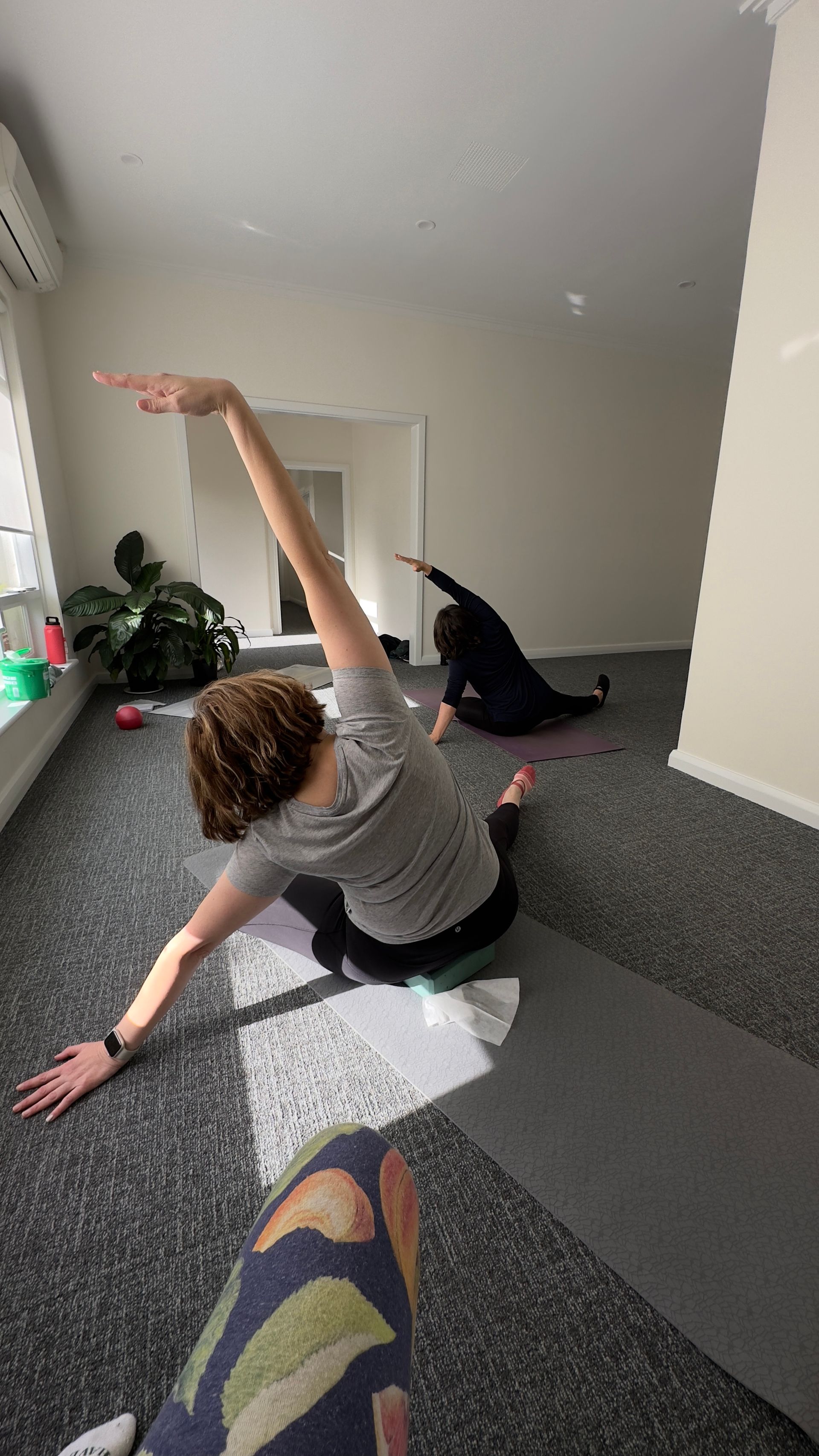
- Strengthen core, glutes, and pelvic floor muscles
- Stay active with low-impact exercise
- Avoid prolonged sitting
- Use correct lifting techniques
- Address minor pain early before it worsens
Consistent care and proper movement habits play a key role in long-term stability.
Chiropractic and Remedial Massage Treatment
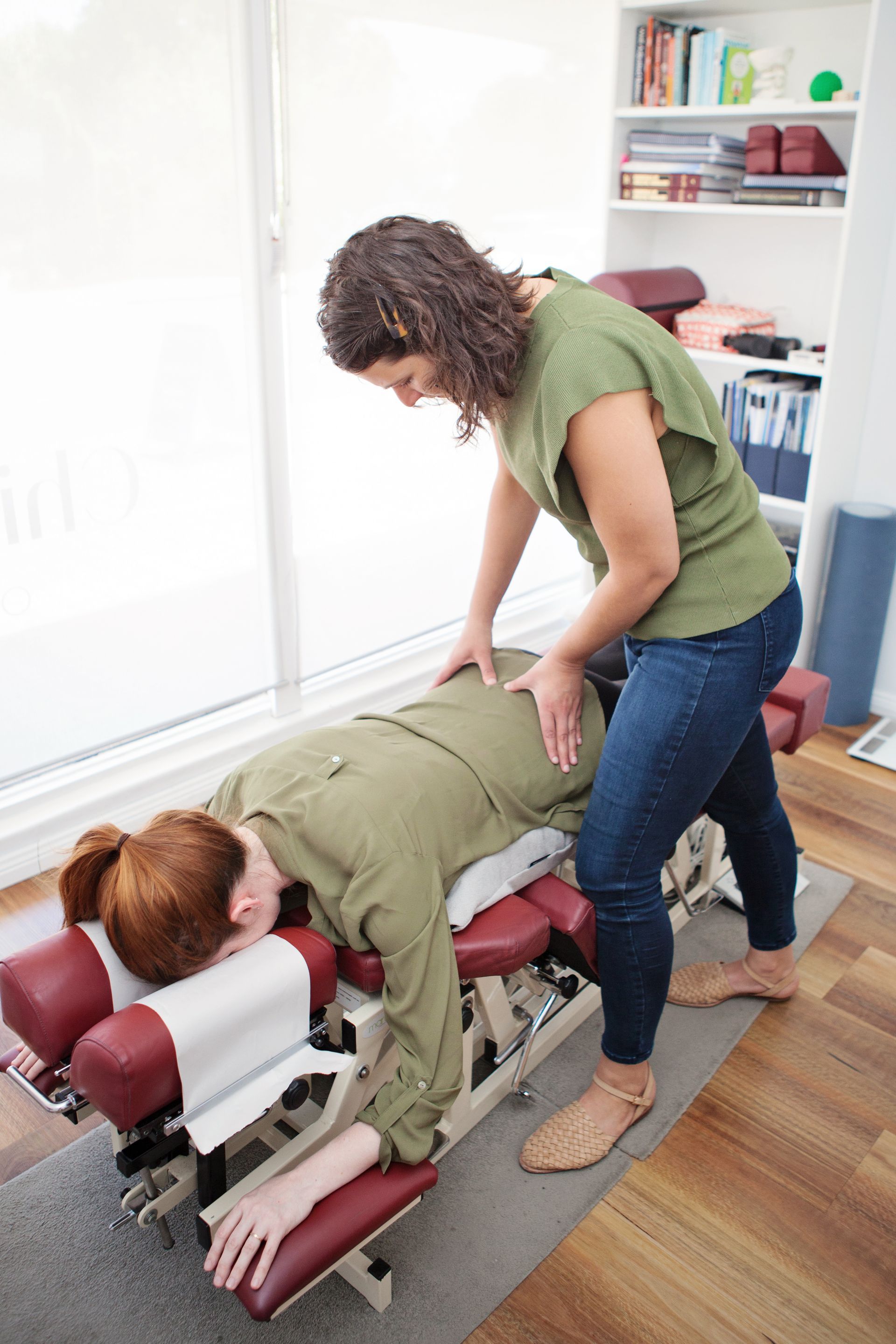
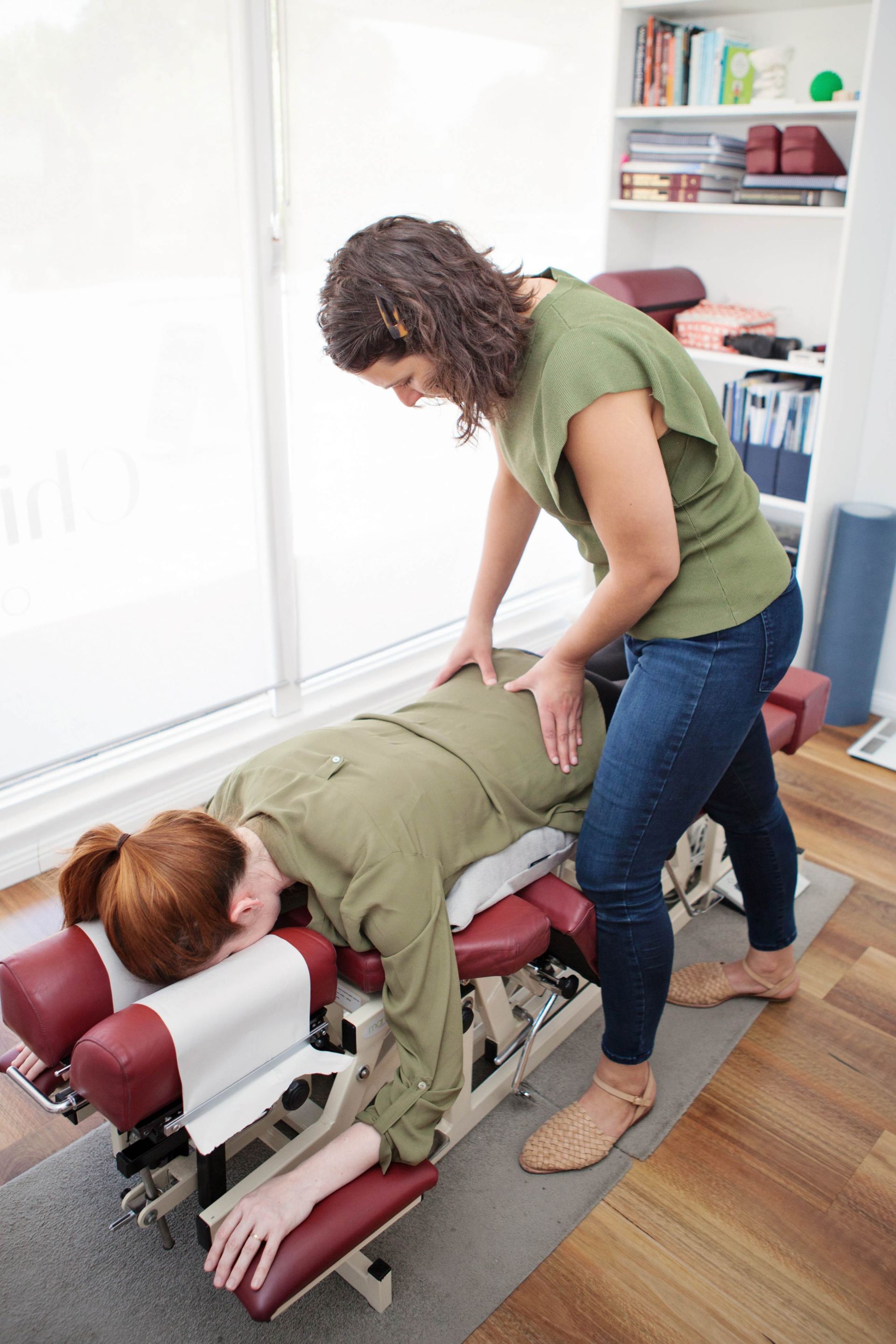
At Chiropractic On Winston in Adelaide, pelvic instability is managed through a combination of chiropractic care and remedial massage therapy.
Chiropractic treatment focuses on restoring proper joint alignment and improving movement in the pelvis and spine.
Techniques may include gentle adjustments, mobilisation, and corrective exercises to strengthen supporting muscles.
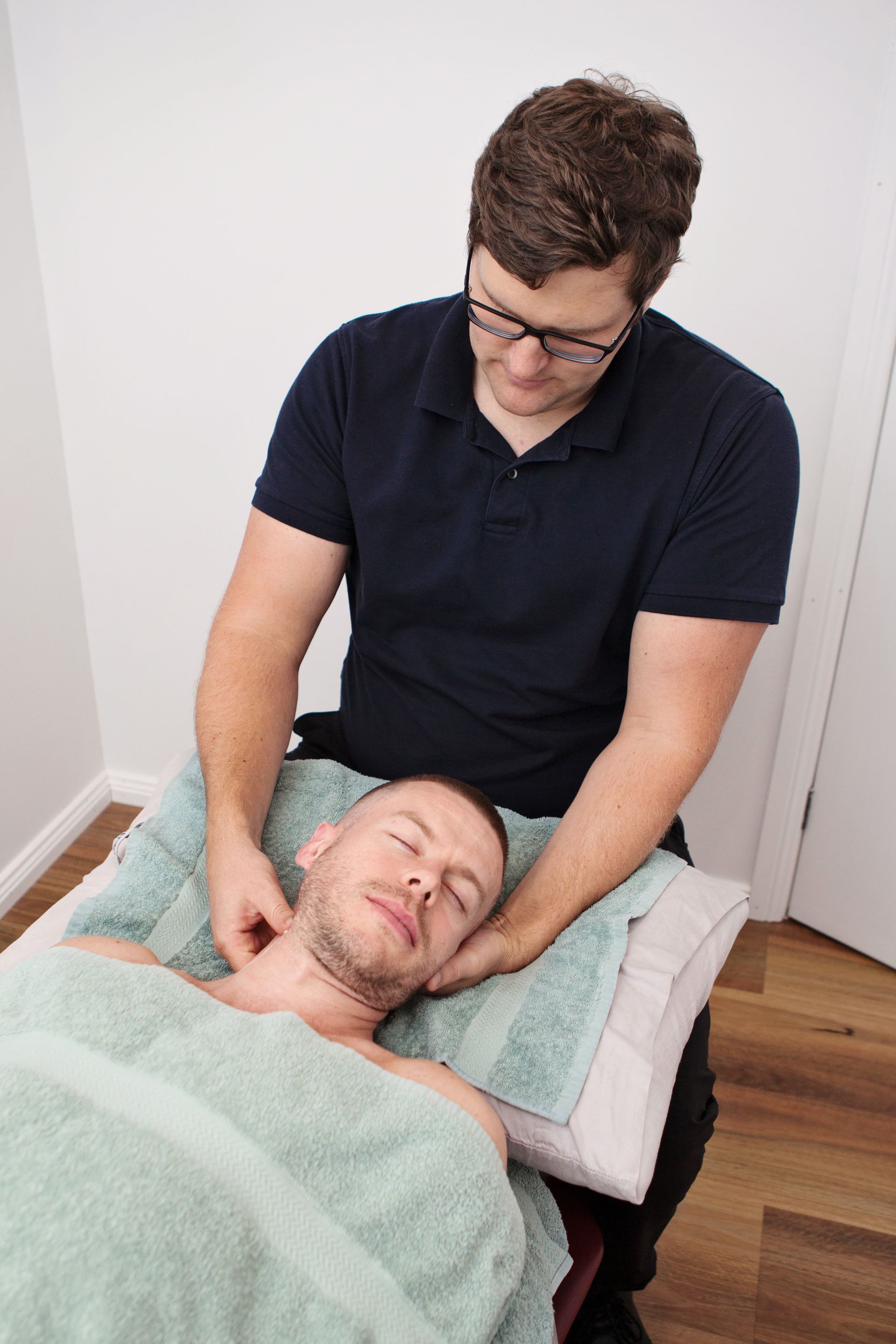
Remedial massage complements this by addressing muscle tension and imbalance.
It helps improve circulation, reduce tightness, and support recovery of the surrounding tissues.
Together, these therapies aim to reduce pain, restore stability, and improve overall function.
FAQ's - Frequently Asked Questions About Pelvic Instability Pain Treatment In Adelaide
See all the answers below about pelvic instability pain treatment in Adelaide
What causes pelvic instability pain?
It is commonly caused by ligament laxity, muscle weakness, injury, or hormonal changes that reduce pelvic support.
Can pelvic instability heal on its own?
Some mild cases improve with rest and exercise, but many require treatment to restore proper stability.
How long does recovery take?
Recovery depends on severity, but many people notice improvement within a few weeks of consistent care.
Is pelvic instability common during pregnancy?
Yes, due to hormonal changes that loosen ligaments. Proper support and treatment can help manage symptoms.
Can chiropractic care help pelvic instability?
Yes, it helps improve joint alignment and function, reducing strain and supporting pelvic stability.
What exercises help pelvic instability?
Exercises that target the core, glutes, and pelvic floor, such as bridges and pelvic tilts, are beneficial.
When should I seek treatment?
If pain persists, worsens, or affects daily activities, professional care should be sought early.
At Chiropractic On Winston, we’re committed to helping you regain a pain free life.
Contact us today to start your journey toward lasting pelvic instability pain relief in Adelaide.