
What do you know about Scheuermann’s Disease?
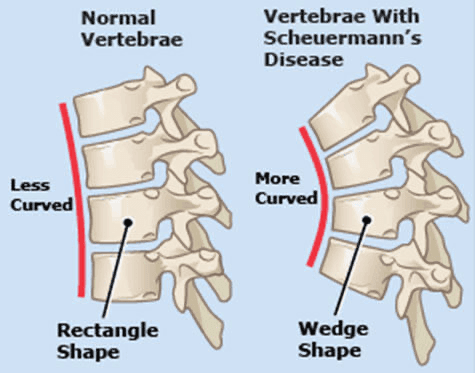
Scheuermann's disease, also known as Scheuermann's kyphosis, is a condition that results in an increased rounding posture of the spine.
Some studies suggest that genetic factors might contribute to the condition as it tends to run in families. Additionally, boys are more commonly affected than girls.
The word ‘disease’ in Scheuermann’s disease may have a harsh connotation to it, however, a disease is generally defined by us as an abnormal condition that has a negative effect on the structure and (possibly) function of that particular part, or surrounding parts.
What are the symptoms?
The most noticeable symptom of Scheuermann’s disease is the rounded appearance of the upper back or a “hunchback” posture.
This kyphosis is more pronounced than normal postural curvature and doesn’t correct itself when standing straight.
Other common symptoms include:
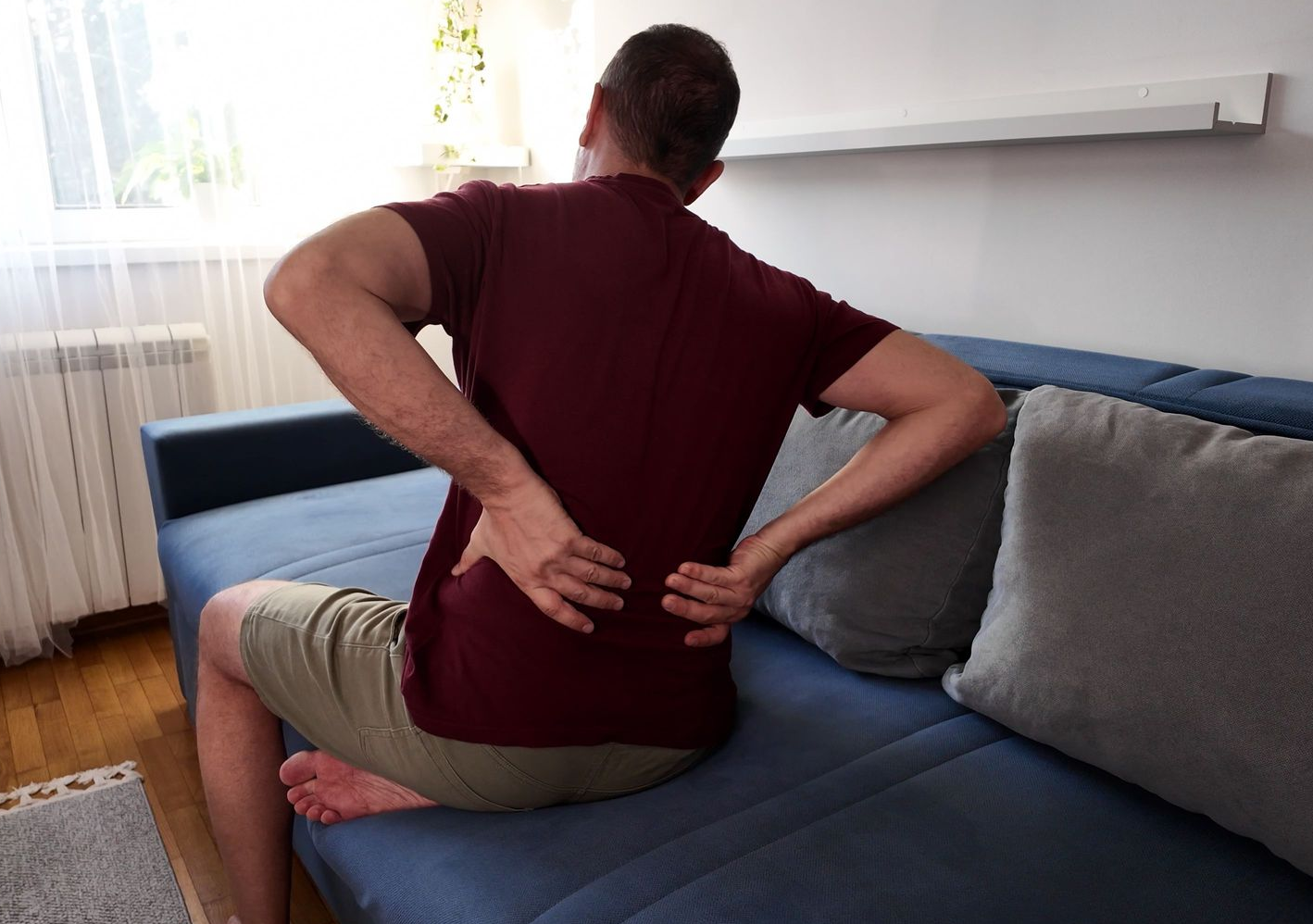
• Back pain – usually mild but may worsen with prolonged standing or activity.
• Stiffness and fatigue – especially in the thoracic spine (mid-back).
• Muscle tightness – often affecting the hamstrings and chest muscles.
• In severe cases, the deformity can be more visible and pain may become more pronounced.
For most adolescents, the condition is painless and only noticed due to the cosmetic changes in posture. However, some may experience discomfort or self-consciousness due to the visible curve.
Diagnosis
Scheuermann’s disease is diagnosed through a combination of physical exams and imaging tests.
X-rays are typically used to confirm the diagnosis by showing the wedge-shaped vertebrae and the degree of spinal curvature.
A diagnosis is usually made when the curve is greater than 40 degrees and there are at least three adjacent vertebrae that are wedged by at least 5 degrees.
How is it treated or managed?
The treatment for Scheuermann’s disease depends on the severity of the curve and the presence of symptoms.
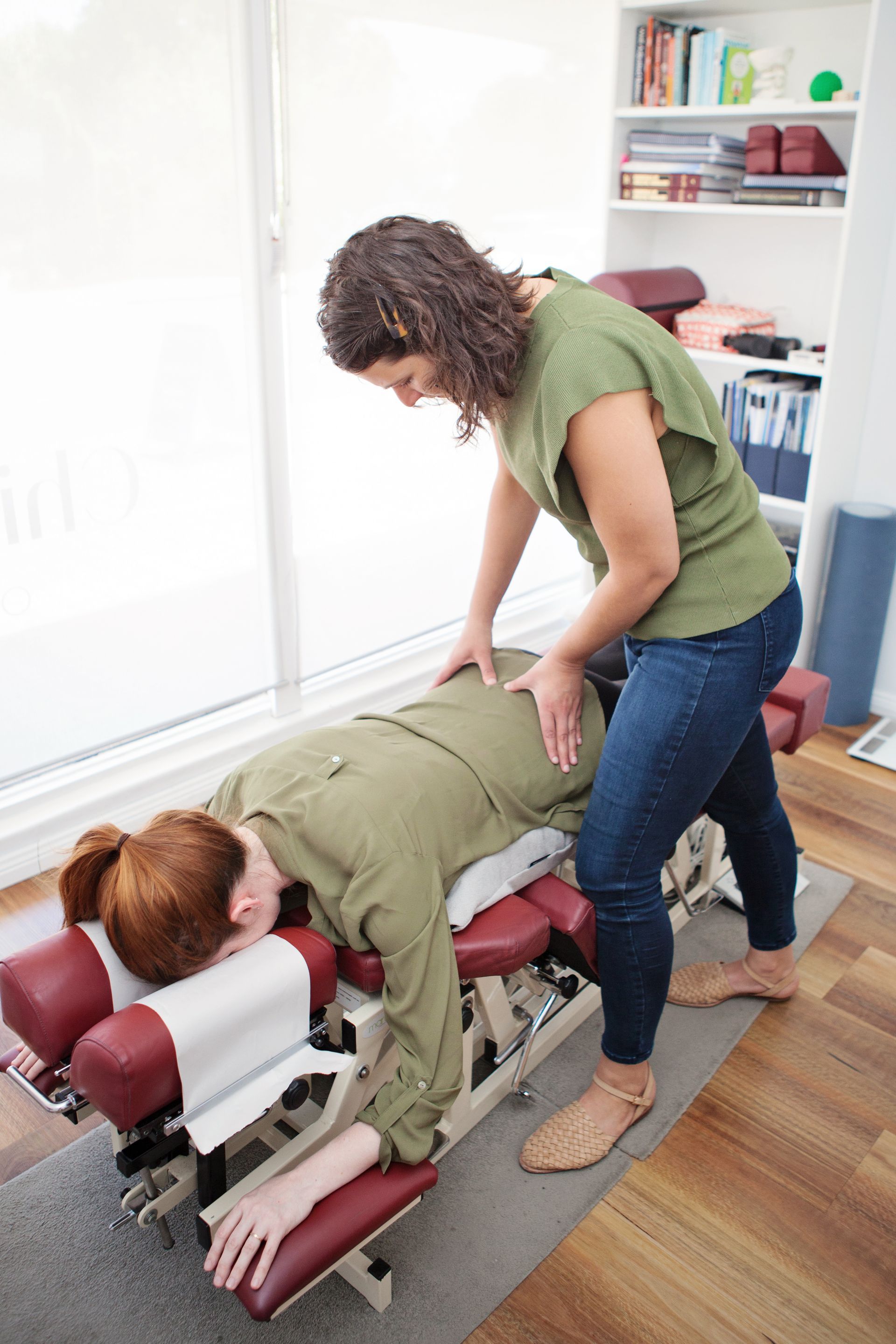
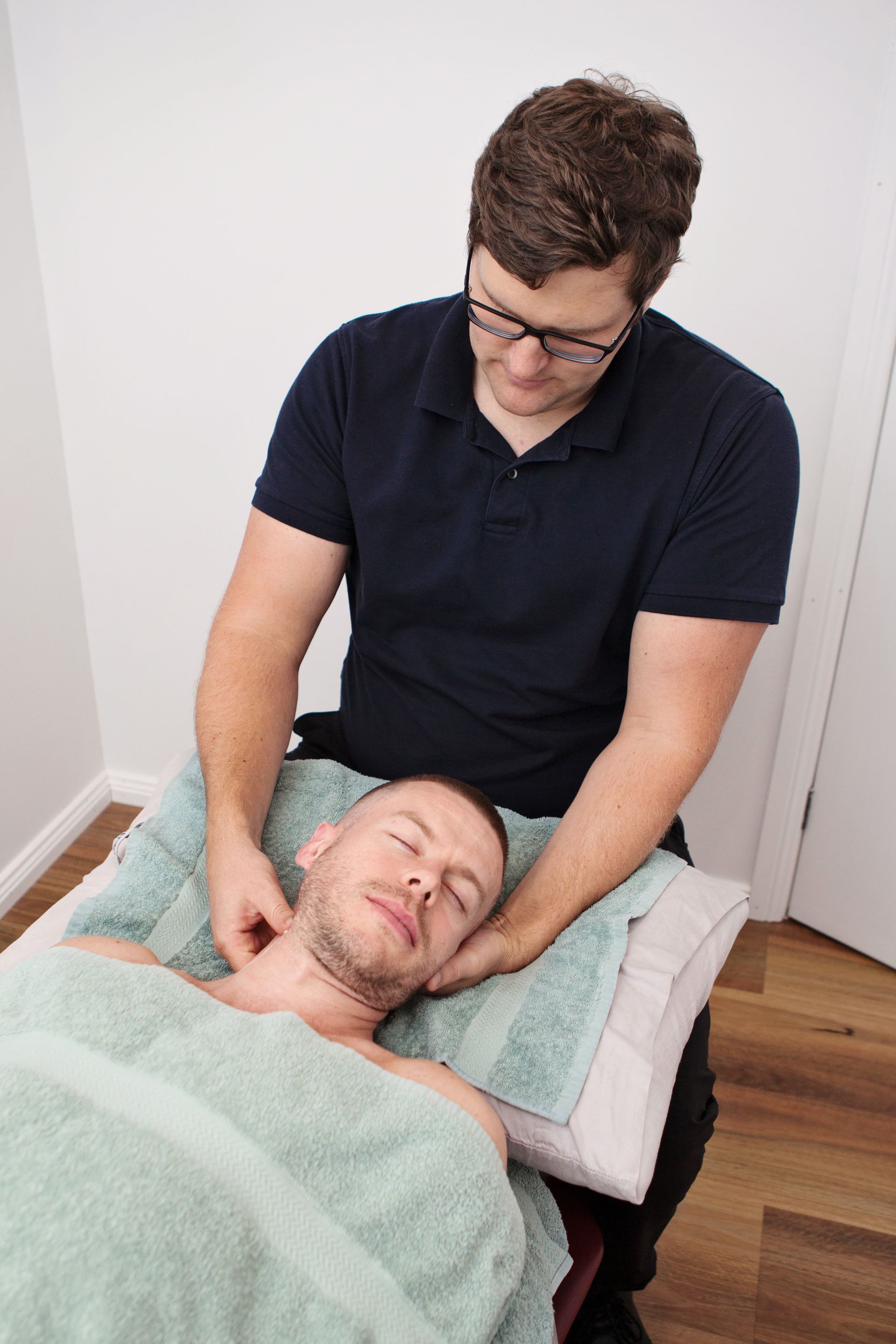
For mild cases, non-invasive methods such as chiropractic, physical therapy and postural training can help.
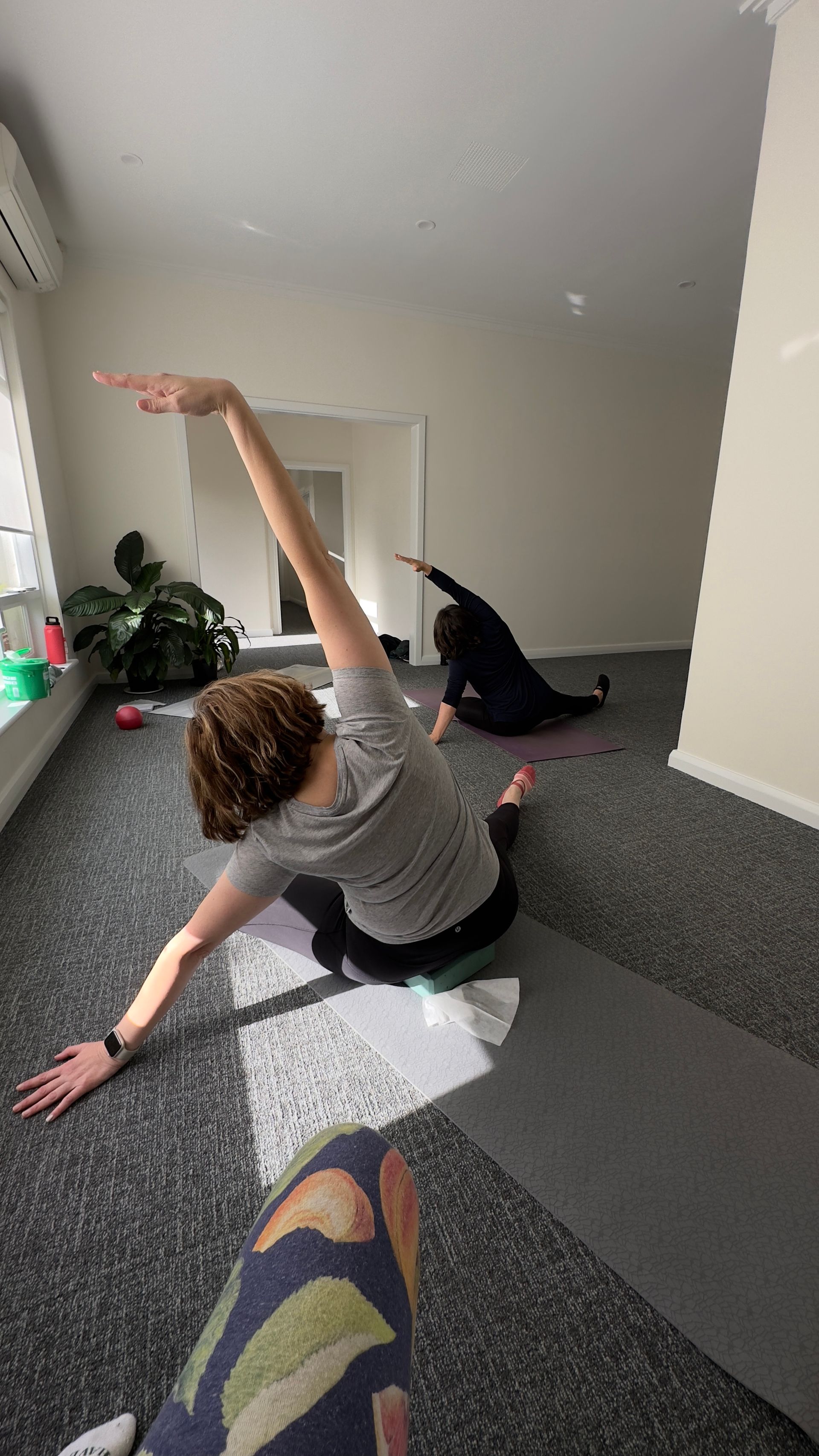
Exercises that strengthen the core and back muscles are particularly beneficial – such as pilates and yoga.
Stretching exercises can also improve flexibility and relieve tension in the muscles surrounding the spine.
For more severe cases, bracing may be recommended, particularly if the child is still growing.
A back brace can help prevent further curvature and sometimes correct the existing curve.
In rare instances where the kyphosis is severe (over 70-80 degrees) or causing significant pain or breathing difficulties, surgery may be required to correct the deformity.
Outlook
Most adolescents with Scheuermann’s disease can manage their condition with conservative treatments, with symptoms often improving as they finish growing. However, monitoring and early intervention are important to prevent complications later in life.
If left untreated, the condition can lead to chronic back pain and other issues as an adult. Scheuermann’s disease may sound alarming, but with the right management plan most individuals can live healthy, active lives.
Early diagnosis, proper posture, and targeted exercises are key to managing this condition effectively. If you notice abnormal curvature in your child’s back, consulting a chiropractor or other spinal healthcare professional is the first step toward ensuring long-term spinal health.
Call Our Helpful and Caring Team
To Book an Appointment
Or Book Online
References
1. Sahrmann, D. (2011). Diagnosis and Treatment of Movement Impairment Syndromes. Mosby Elsevier. This resource provides in-depth insights into spine-related conditions, including postural and structural deformities such as kyphosis.
2. Bracing and Treatment of Scheuermann’s Disease. (2020). Scoliosis Research Society. (https://www.srs.org)
3. Scheuermann’s Kyphosis. (2021). American Academy of Orthopaedic Surgeons (AAOS). (https://orthoinfo.aaos.org/en/diseases--conditions/kyphosis-roundback-of-the-spine/)
4. Kyphosis in Adolescents: Overview and Treatment. (2020). Children’s Hospital of Philadelphia. (https://www.chop.edu)
5. Scheuermann’s Disease: Spinal Curvature in Adolescence. (2019). Cleveland Clinic. (https://my.clevelandclinic.org)