


The Hidden Cost of Back Pain: How It’s Impacting Workers Across Australia and Adelaide
Back Pain and Work: Global, National, and Adelaide (SA) Statistics
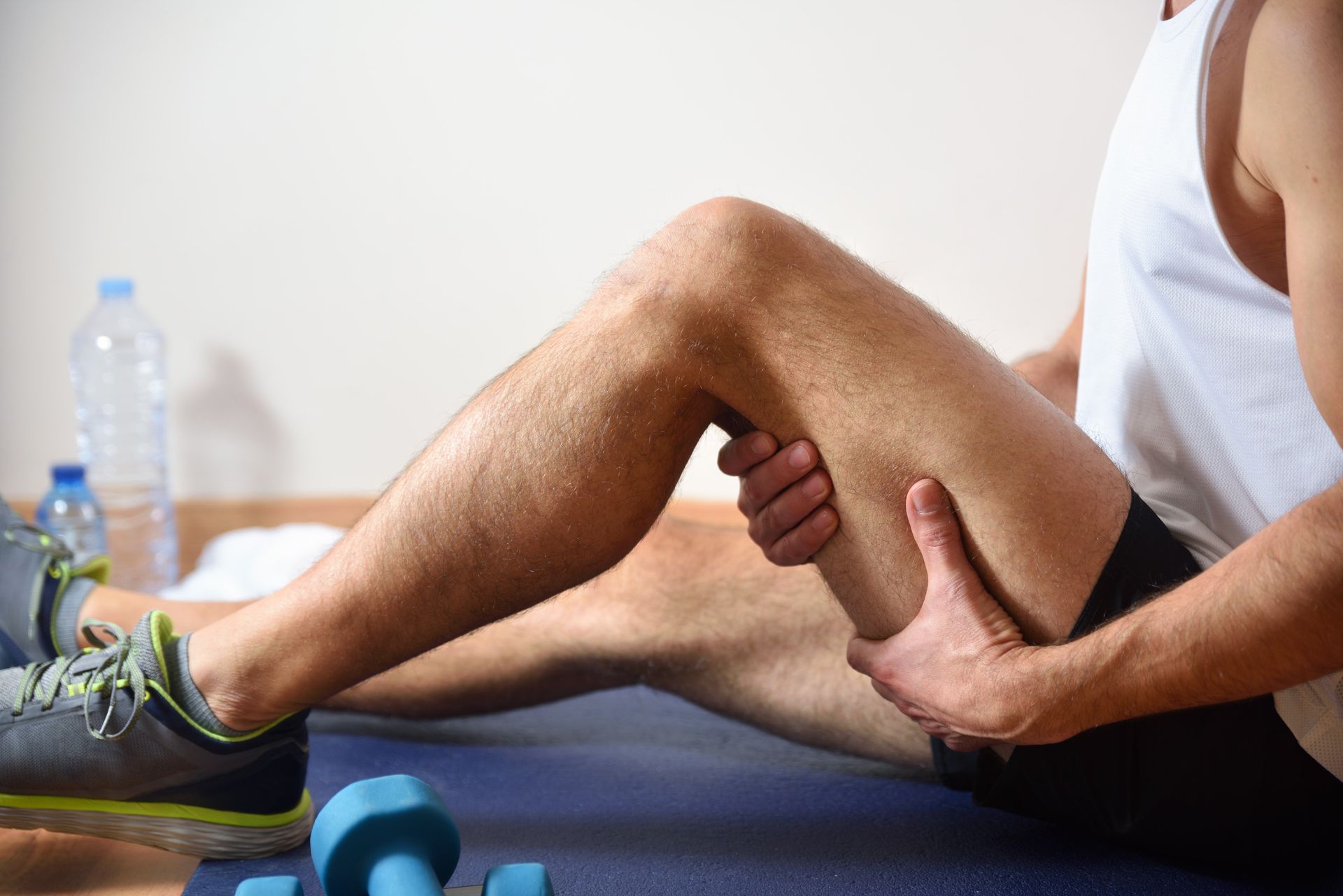
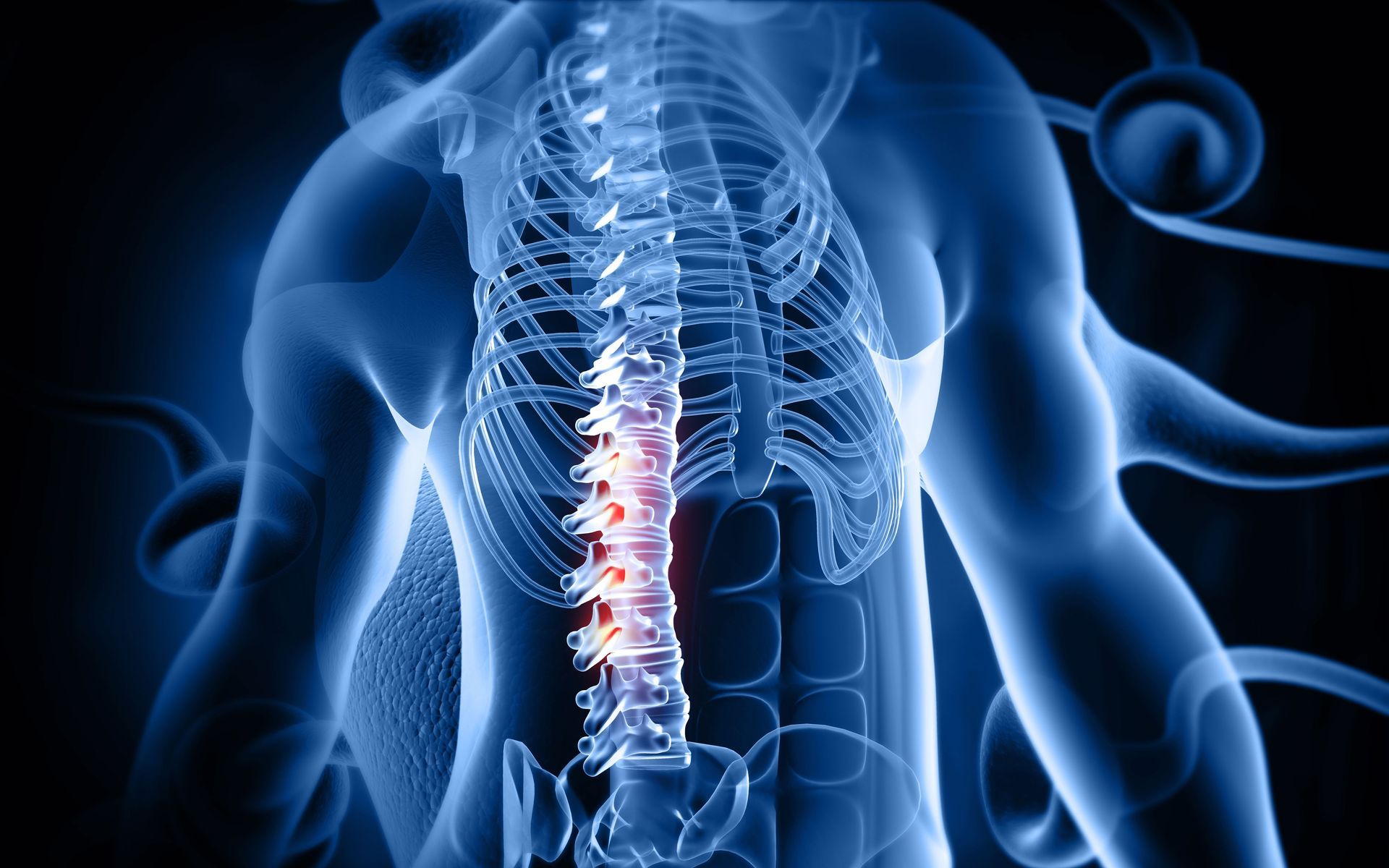
Back pain, particularly low back pain remains one of the most common and costly health challenges facing the modern workforce.
Whether it’s caused by long hours at a desk, repetitive manual handling, or awkward physical postures, back pain doesn’t just affect comfort, it affects productivity, safety, and long term wellbeing.
Across Australia, millions of workers experience some form of back related discomfort each year, with musculoskeletal disorders (MSDs) ranking among the top reasons for lost workdays and compensation claims.
The problem isn’t limited to heavy industry even office and retail workers are increasingly reporting strain related injuries.
In Adelaide and across South Australia, the picture is no different. Local data reveals that “body stressing” injuries, which include back strains and sprains, are the single largest cause of workers compensation claims, accounting for roughly one third of all reported workplace injuries.
The personal, economic, and social impacts are immense from chronic pain and reduced work participation to billions in lost productivity nationally.
The following statistics highlight the scale of the issue, globally, nationally, and locally, and underscore why preventing and managing back pain at work is now a critical priority for employers, employees, and policymakers alike.
Global / Broad Statistics
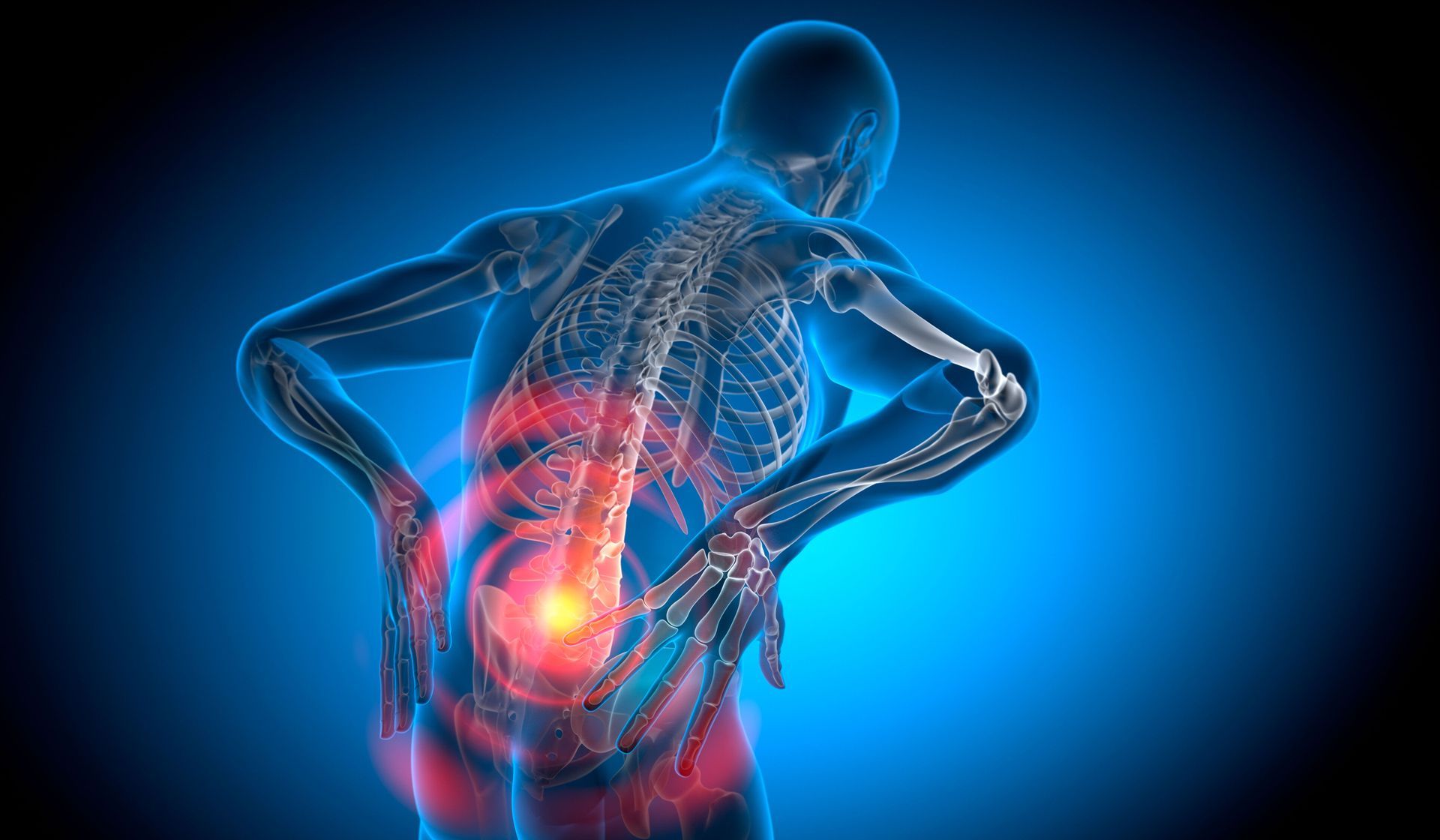
Low back pain (LBP) is one of the leading causes of disability worldwide. (The Lancet)
In 2017, about 7.5 % of the global population (~ 577 million people) had low back pain at a point in time. (IASP Pain)
The burden of LBP is increasing globally, driven by aging, population growth, and occupational risk factors. (BioMed Central; Frontiers in Public Health)
Workplace / Occupation Related Statistics
Surveys of manual material-handling workers suggest about 25 % experience back pain lasting more than 7 days in a year, 14% require medical attention, and 10% take time off work. (APSOC Australia)
Low back pain is strongly linked to ergonomic risk factors such as heavy lifting, repetitive bending, awkward postures, and prolonged standing or sitting. (Frontiers; Australian Institute of Health & Safety)
Back pain and other “body-stressing” injuries account for over one-third of serious workers compensation claims in Australia.
(Work Healthy Australia; Carter Capner Law)
Economic / Productivity Costs
In Australia, chronic back pain is estimated to be the most common condition keeping older workers (45-64 yrs) out of the workforce, cutting AUD 3.2 billion from GDP annually. (APM Australia)
A Monash University study projects that chronic back pain could cost the Australian economy AUD 638 billion over the next decade due to productivity losses and early workforce exit. (Herald Sun)
Australia Specific Statistics
Around 29% of Australians (7.3 million people) report having a chronic musculoskeletal condition, back problems are a major subset. (AIHW)
Back problems are the second most common reason people visit a GP, and among the top causes for emergency department presentations. (ACSQHC)
In 2021-22, about 3.5% of Australian workers reported a work related injury or illness. Musculoskeletal disorders (including back pain) make up a large share. (Safe Work Australia)
Australia, Key Statistics on Back Pain and Work

Metric
Prevalence of back problems
Statistic/Finding
About 1 in 6 Australians (16%) report having back problems.
(Sleep Society)
Metric
Musculoskeletal disorders (MSDs) & low back pain
Statistic/Finding
In a survey, 75% of respondents aged 18-60 (peak working age) reported back pain.
(Australian Chiropractors Association ACA)
Metric
Severity / chronicity
Statistic/Finding
Of those with low back pain: 28% reported moderate pain interfering with daily life; 8% reported severe pain, 30% said LBP was their most chronic musculoskeletal condition.
(ACA)
Metric
Workers’ compensation / serious claims
Statistic/Finding
“Body stressing” (including lower back pain) accounts for 37% of all serious workers compensation claims in Australia.
Metric
Work-related injuries / illnesses overall
Statistic/Finding
In 2021-22, about 3.5 % of people who worked in the previous 12 months had a work-related injury or illness.
(Australian Bureau of Statistics)
Metric
Risk factors / occupations
Statistic/Finding
Repetitive movements, prolonged standing, heavy physical work (lifting, bending, squatting), and casual employment increase risk. (ACA)
Metric
Treatment / compensation claims
Statistic/Finding
Workers with accepted compensation claims, 2 weeks often receive physiotherapy, chiropractic and/or osteopathy care.
Metric
Rising trends
Statistic/Finding
Work-related musculoskeletal disorders (incl. LBP) are on the rise in Australia.
(Australian Institute of Health & Safety)
Adelaide, South Australia Specific Data
Sprains and strains (“body stressing”) account for 33% of all workers compensation claims in South Australia.
In 2021, SA recorded 13,488 accepted workers compensation claims, of these, 1,241 workers (9.2%) prematurely exited the workforce due to injury.
Body-stressing claims rose to 6,035 in 2023, up 8% on the five-year average (5,603).
(Safe to Work / Return To Work SA campaign)
SA’s Work Health and Safety data identify “hazardous manual tasks” and MSDs (including back injuries) as the most common type of workplace injury.
Summary and Implications for Adelaide SA
Back and other musculoskeletal problems are a leading cause of injury and compensation claims in South Australia, mirroring national trends.
Manual handling and body-stressing tasks are consistently the primary injury mechanisms.
Around 1,200+ workers annually exit the SA workforce early due to injury, underscoring significant productivity and social-economic impact.
Preventive focus for Adelaide, SA workplaces: improved manual task design, ergonomics training, and early rehabilitation access.
If you'd like to see how we can help with treating and managing back pain conditions, contact our highly experienced and dedicated team of Chiropractors on (08) 7222 8701