


CHIROPRACTIC AND REMEDIAL MASSAGE FOR WHIPLASH PAIN IN ADELAIDE

Whiplash can cause persistent neck pain, stiffness, headaches and restricted movement, affecting your ability to work, drive, exercise and enjoy everyday activities.
Whether your symptoms have developed following a car accident, sporting injury or unexpected fall, receiving an appropriate assessment and treatment plan can help support your recovery.
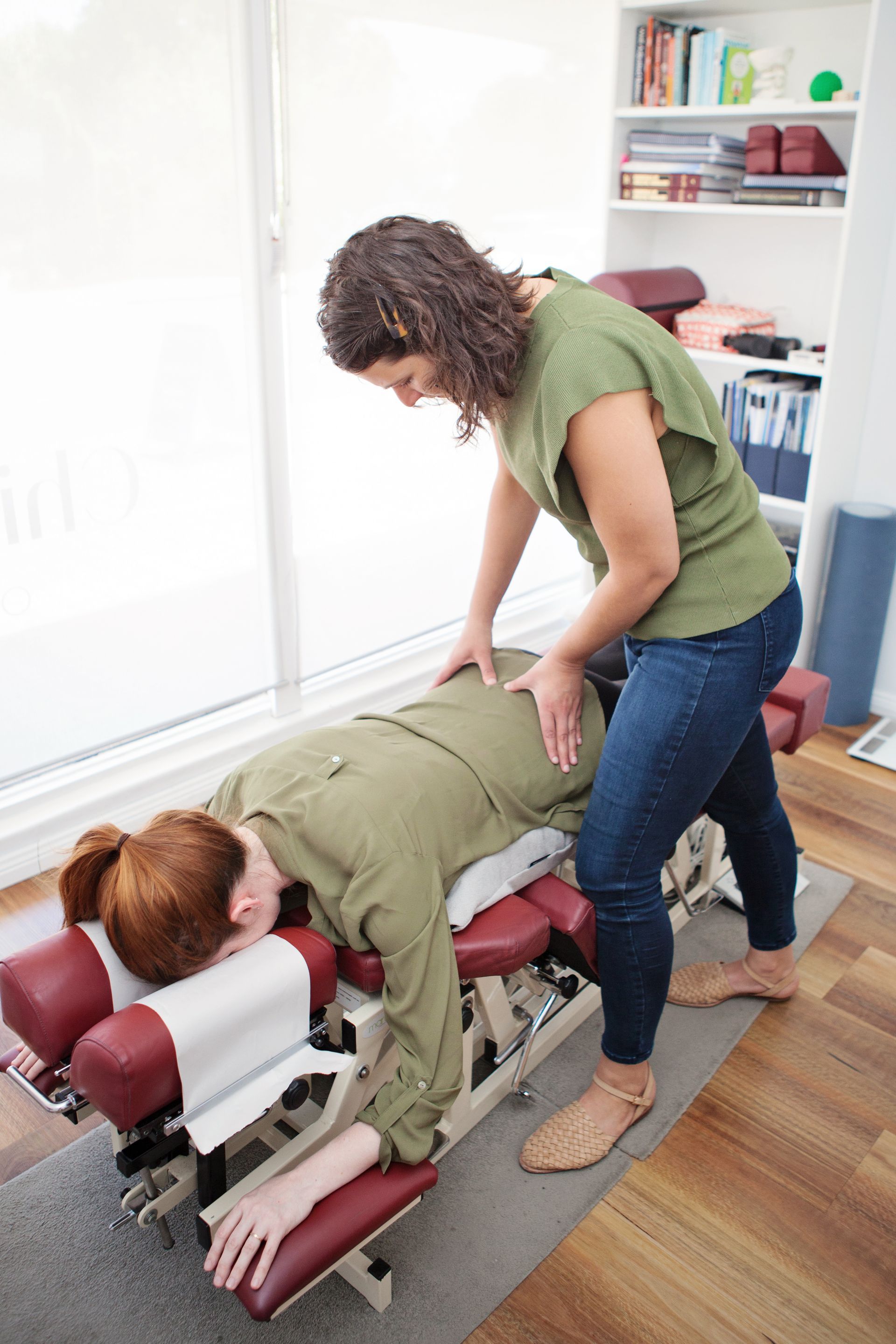
At Chiropractic On Winston, in Melrose Park, Adelaide, chiropractic care and remedial massage may form part of an individualised approach to managing whiplash pain.
Our focus is on assessing your symptoms, improving comfortable movement, relieving associated muscle tension and helping you return to your normal activities safely.

Whiplash is a neck injury that occurs when the head is suddenly forced forwards, backwards or sideways, placing strain on the muscles, ligaments, tendons and other structures supporting the cervical spine.
This rapid movement can cause soft tissue injuries, inflammation, muscle tension and joint irritation.
Whiplash associated disorders (WAD) can range from mild neck discomfort to more complex injuries involving restricted movement, nerve symptoms and ongoing pain.
Symptoms may appear immediately after an accident or develop over the following hours or days.
Although many people recover within weeks to a few months, some experience persistent symptoms that require a more structured rehabilitation approach.
Early medical assessment, appropriate activity and individually tailored treatment can help support recovery.
Common Causes and Symptoms of Whiplash
Whiplash most frequently occurs during rear-end or side-impact motor vehicle accidents, when the head and neck move rapidly in response to sudden acceleration or deceleration.
However, it can also result from contact sports, cycling accidents, falls and other unexpected impacts.
The severity of whiplash does not always correspond to the apparent severity of the incident. Symptoms can vary considerably between individuals.
Common symptoms include:
- Neck pain and stiffness: Discomfort when turning, bending or extending the head.
- Headaches: Often starting at the base of the skull and extending towards the forehead.
- Shoulder and upper back pain: Muscle tension and tenderness around the neck, shoulders and shoulder blades.
- Reduced mobility: Difficulty checking blind spots, looking upwards or maintaining comfortable head positions.
- Muscle tightness and spasms: Protective muscle responses that can restrict normal movement.
- Fatigue and disrupted sleep: Pain and discomfort that interfere with rest and everyday routines.
- Dizziness or tingling: Symptoms that may require further medical investigation, particularly if accompanied by weakness or other neurological changes.
- If you develop neck pain following a traumatic incident, arrange a medical assessment promptly to rule out fractures, nerve injuries and other serious conditions.
- Seek urgent medical attention for severe or worsening headaches, limb weakness, numbness, difficulty walking, changes in vision or loss of bladder or bowel control.

Managing whiplash involves more than temporarily relieving neck discomfort.
Treatment should aim to restore comfortable movement, improve physical function and help you gradually resume everyday activities.
At Chiropractic On Winston, chiropractic care and remedial massage may be considered as part of a broader recovery plan, depending on your injury, medical assessment and individual needs.
Evidence based whiplash management places particular importance on education, staying active and appropriate neck exercises.
Manual therapies are generally considered complementary options, with evidence varying between techniques.
Chiropractic Assessment and Personalised Treatment
- A thorough assessment helps identify the nature of your neck pain, movement restrictions, muscle tenderness and any symptoms that may indicate a more serious injury.
- Following appropriate medical clearance, chiropractic care may include gentle mobilisation, soft tissue techniques, movement guidance and individually prescribed exercises, where clinically suitable.
- High-velocity neck manipulation is not appropriate for every whiplash injury and should not be undertaken before serious injury has been excluded.
- Your chiropractor can help you understand your symptoms, manage activity levels and develop a gradual approach to restoring neck mobility and function.
- Treatment should be reviewed regularly and adjusted according to your progress and response.
Remedial Massage for Neck and Shoulder Tension
- Whiplash can cause the muscles around the neck, shoulders and upper back to become tense and tender.
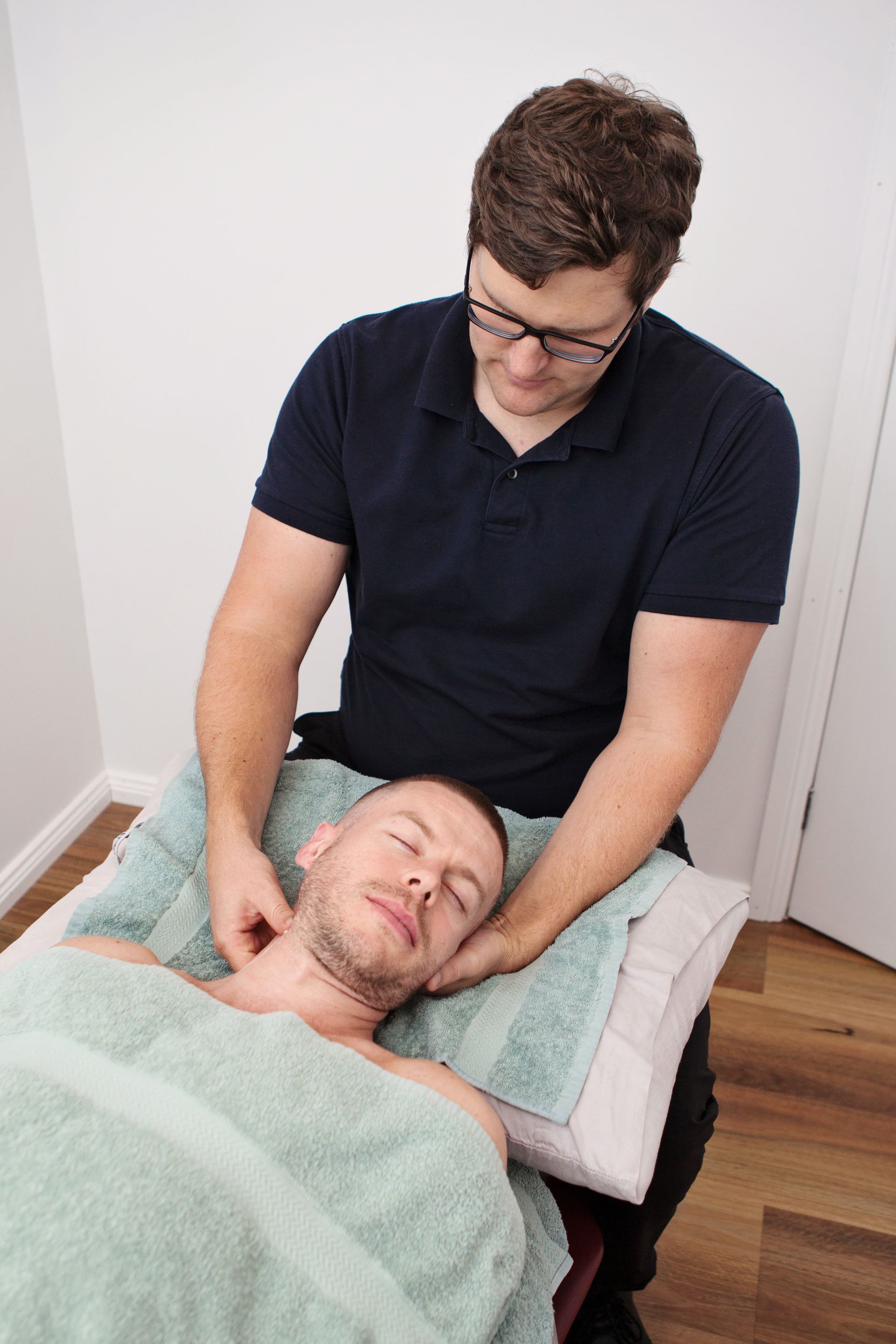
- Remedial massage may be used as a complementary treatment to address muscle discomfort and support relaxation.
- Depending on the stage and severity of your injury, a remedial massage therapist may use gentle, modified soft tissue techniques to address areas of muscular tightness.
- Pressure and treatment areas should be adapted to avoid aggravating sensitive or injured tissues.
- Massage is not a treatment for fractures, significant ligament injuries or nerve damage, and evidence for its specific benefits in whiplash remains limited.
- It is best considered alongside active rehabilitation rather than as a replacement for movement, exercise or medical care
- Avoid forceful stretching, aggressive massage or unsupervised neck manipulation immediately after an injury.
- If pain increases significantly or new neurological symptoms develop, seek further medical assessment.
What to Do When Whiplash Pain Occurs
Arrange a medical assessment:
Have your neck examined after a traumatic incident, even if symptoms initially appear mild. Your doctor can determine whether further investigation or imaging is required.
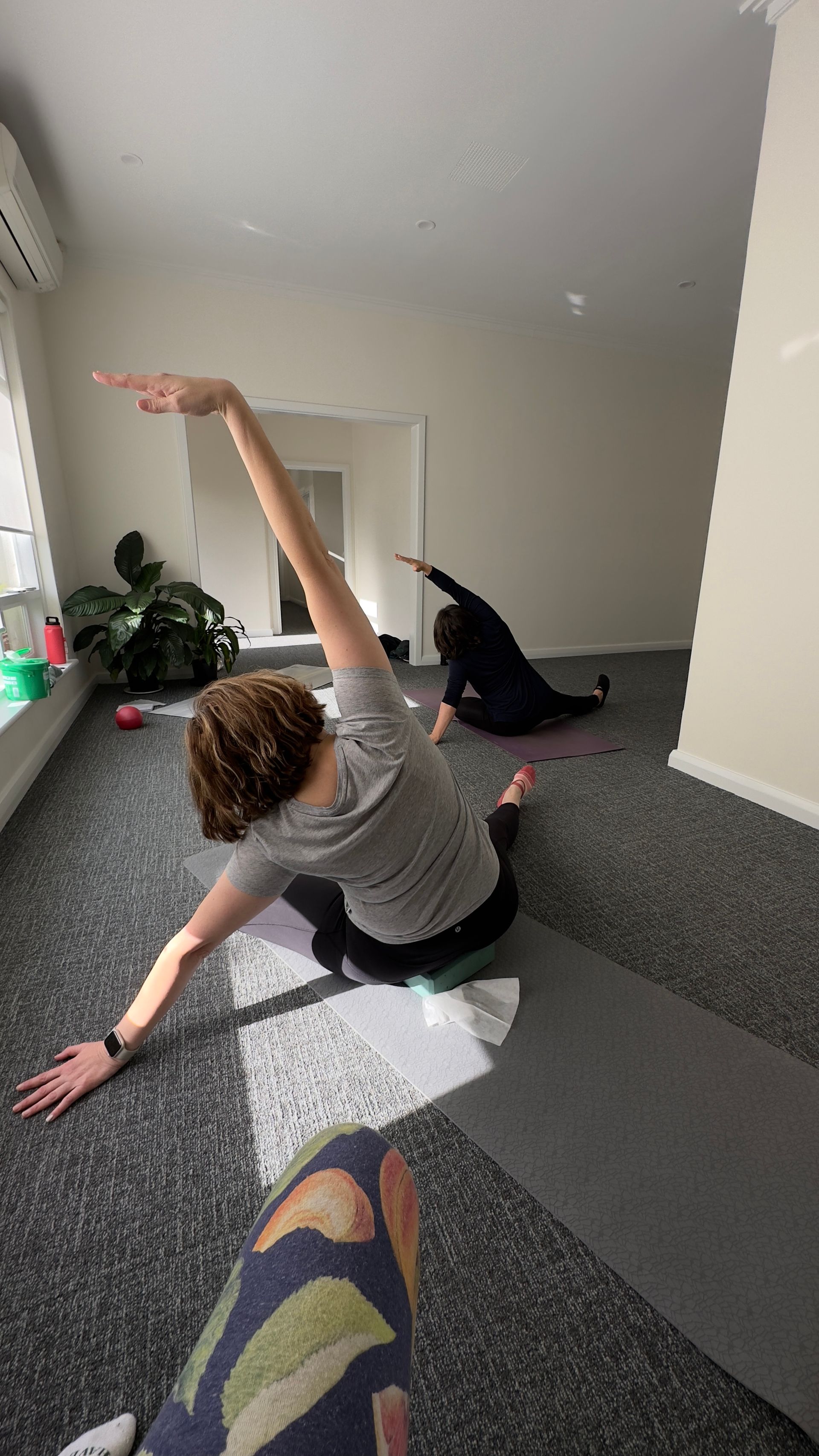
- Maintain gentle movement: Once serious injury has been excluded, gradually continue comfortable neck movements and normal daily activities as tolerated.
- Avoid prolonged rest: Extended inactivity can contribute to stiffness and reduced physical capacity. Modify demanding activities temporarily rather than stopping all movement.
- Manage discomfort: A wrapped cold pack or gentle heat may provide temporary relief, depending on your symptoms. Seek advice from your doctor or pharmacist about suitable pain relief medication.
- Adjust daily activities: Take regular breaks from prolonged sitting, modify lifting tasks and avoid movements that significantly aggravate your symptoms.
- Follow a rehabilitation plan: Appropriate exercises and professional guidance can help restore movement, strength and confidence as your neck recovers.
Preventing Whiplash and Supporting Long-Term Recovery
Not all whiplash injuries can be prevented, particularly when they result from unexpected accidents. However, taking practical precautions can reduce certain risks and help maintain neck function.
When driving, wear your seatbelt correctly and ensure your head restraint is adjusted to an appropriate height and position. Maintain a safe following distance and follow road safety requirements to reduce the risk of collisions.
For sporting activities, use suitable protective equipment, follow appropriate safety practices and build strength and coordination progressively.
Long-term neck health can also be supported through regular physical activity, neck and upper back strengthening exercises, comfortable workstation arrangements and regular breaks from sustained positions.
After a whiplash injury, a gradual return to exercise and everyday activities is important. A healthcare professional can help you progress your rehabilitation according to your symptoms, mobility and physical tolerance.
If pain, stiffness or headaches persist, a reassessment can identify factors affecting recovery and determine whether your treatment plan needs to change. A coordinated approach involving your GP and other appropriate healthcare professionals may be beneficial for ongoing symptoms.
At Chiropractic On Winston, we aim to provide individualised chiropractic care and remedial massage in Adelaide, with a focus on comfortable movement, practical self-management and supporting your return to daily activities.
FAQ's - Frequently Asked Questions About Whiplash Pain Treatment In Adelaide
See all the answers below about whiplash pain treatment in Adelaide
How long does whiplash pain take to heal?
Many people experience noticeable improvement within a few weeks, with recovery often occurring over several weeks to a few months. However, recovery varies depending on the injury, symptoms and individual circumstances. Some people experience persistent pain or restricted movement and may require further assessment and rehabilitation.
Can a chiropractor help with whiplash pain?
A chiropractor may assist with whiplash rehabilitation following appropriate medical assessment. Depending on the injury, treatment may include gentle mobilisation, soft tissue techniques, movement advice and tailored exercises. The suitability of each technique depends on your symptoms and clinical findings, and more serious injuries must first be ruled out.
Is remedial massage beneficial for whiplash?
Remedial massage may help relieve muscular tension and provide temporary relief from neck and shoulder discomfort for some people. Techniques should be gentle and adapted to the stage of recovery. Massage is a complementary option and should be combined with appropriate activity and rehabilitation rather than used as the sole treatment.
What are the first signs of whiplash?
Early signs commonly include neck pain, stiffness, tenderness, headaches and difficulty turning the head. Shoulder discomfort, upper back pain and fatigue may also occur. Symptoms can develop immediately or several hours or days after an incident. Medical assessment is recommended following traumatic neck injuries.
Should I exercise when I have whiplash?
Once serious injuries have been excluded, gentle movement and a gradual return to normal activities are generally encouraged. Appropriate neck mobility and strengthening exercises can support recovery. Avoid activities that significantly worsen your symptoms and seek professional advice about progressing your exercise routine.
Can whiplash cause long-term neck pain?
Yes. Although many people recover fully, some experience persistent neck pain, headaches, stiffness or reduced mobility. Ongoing symptoms may be influenced by several physical and psychological factors. If your symptoms are not improving, consult your doctor for reassessment and consider an individualised rehabilitation plan.
When should I seek medical attention for whiplash?
You should seek medical assessment promptly after a traumatic neck injury. Urgent medical attention is required if you experience severe or worsening pain, limb weakness, numbness, difficulty walking, significant dizziness, visual changes or loss of bladder or bowel control. Call 000 for a serious injury or emergency
Can whiplash be prevented?
Whiplash cannot always be prevented, but appropriate head restraint positioning, correct seatbelt use, safe driving practices and suitable protective equipment during sport can reduce certain injury risks. Maintaining neck strength, mobility and general physical fitness can also support neck health, although it cannot guarantee protection from whiplash.
When can I return to work after whiplash?
The timing depends on your symptoms, the physical demands of your job and the nature of your injury. Many people can return to modified duties while recovering, with gradual progression as their mobility and tolerance improve. Your doctor or treating healthcare professional can help guide a safe return-to-work plan.
Where can I get whiplash treatment in Adelaide?
Chiropractic On Winston provides chiropractic care and remedial massage in Melrose Park, Adelaide. If you have experienced whiplash, seek an initial medical assessment to rule out serious injury. Following appropriate clearance, our practitioners can discuss suitable treatment options and support your recovery with an individualised approach.
At Chiropractic On Winston, we’re committed to helping you regain a pain free life.
Contact us today to start your journey toward lasting whiplash pain relief in Adelaide.