


CHIROPRACTIC AND REMEDIAL MASSAGE FOR SI JOINT PAIN IN ADELAIDE
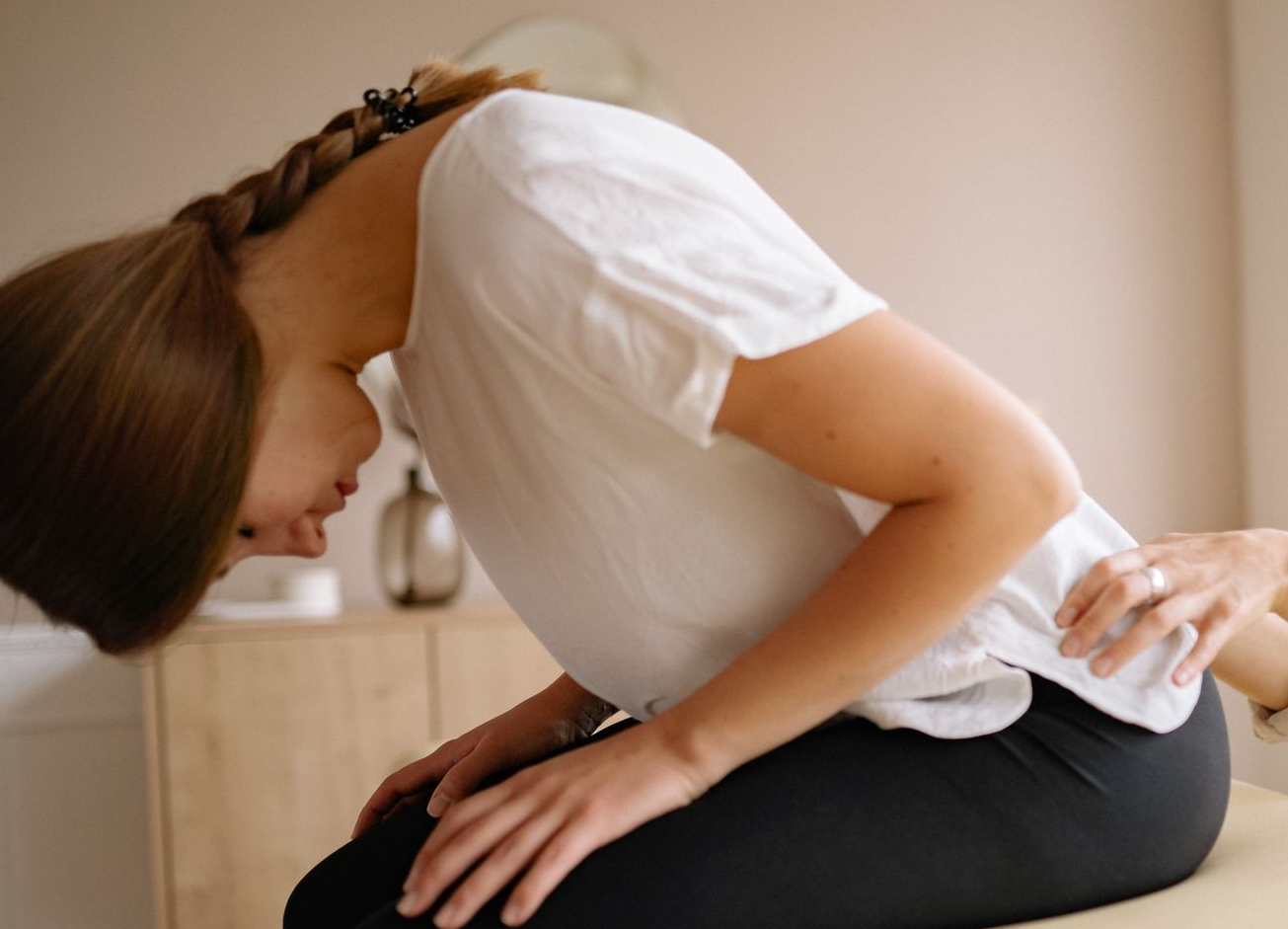
Sacroiliac (SI) joint pain can make walking, sitting, standing, bending and sleeping uncomfortable.
Often felt around the lower back, pelvis or buttock, this discomfort can interfere with everyday activities.
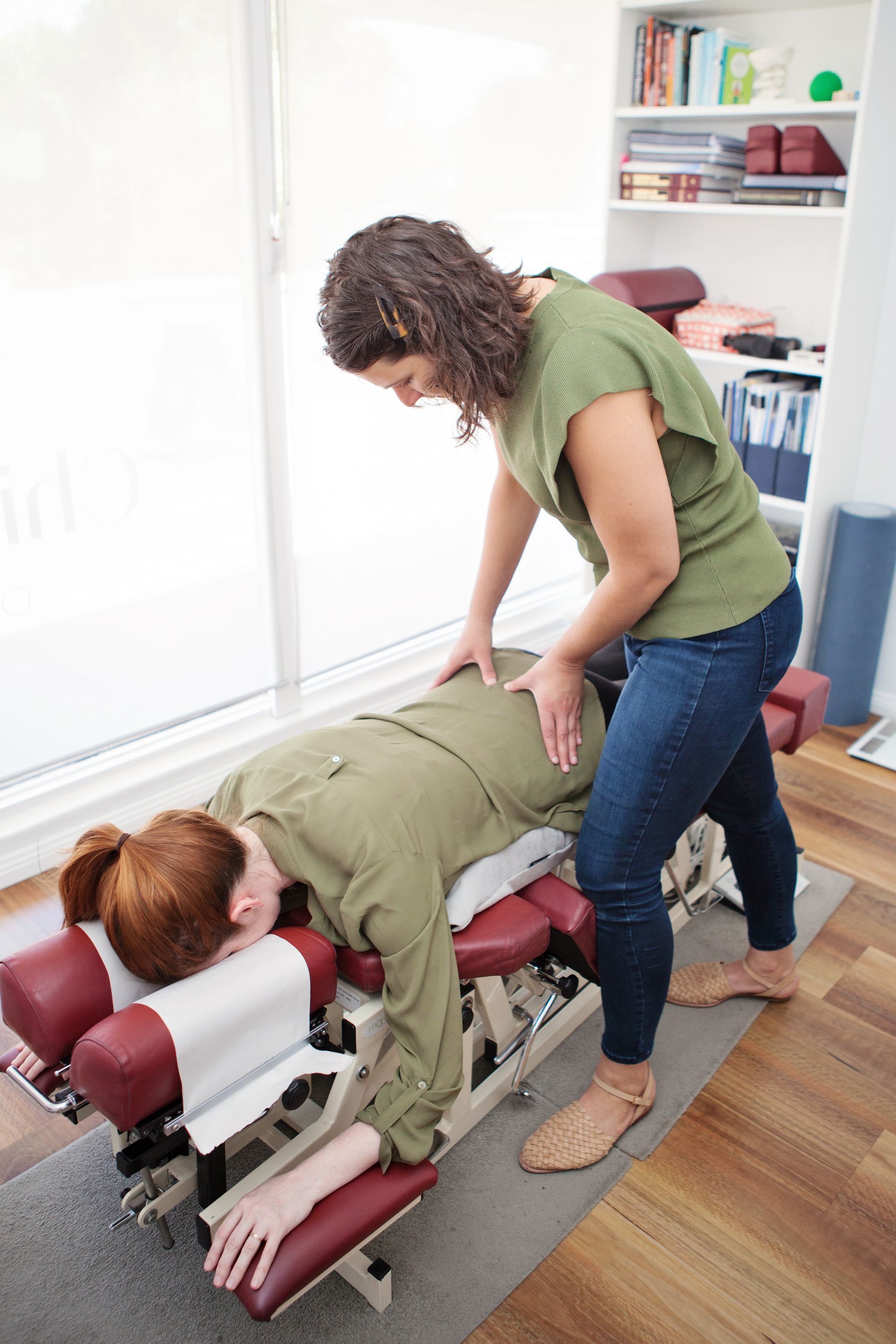
At Chiropractic On Winston in Adelaide, chiropractic care and remedial massage may help manage SI joint pain, improve movement and support recovery.
Whether symptoms develop after exercise, an injury, prolonged sitting or during pregnancy.
Understanding the potential cause is an important step towards appropriate treatment.
Understanding Sacroiliac Joint Pain and Its Symptoms
The sacroiliac joints connect the sacrum at the base of the spine with the pelvis.
They help transfer forces between the upper body and legs during walking, lifting and everyday movement.
Although these joints move relatively little, they play an important role in pelvic stability.
Pain may involve the joint, surrounding ligaments or nearby muscles.
Common SI Joint Pain Symptoms
SI joint pain can vary depending on the underlying cause and affected structures.
Common symptoms include:
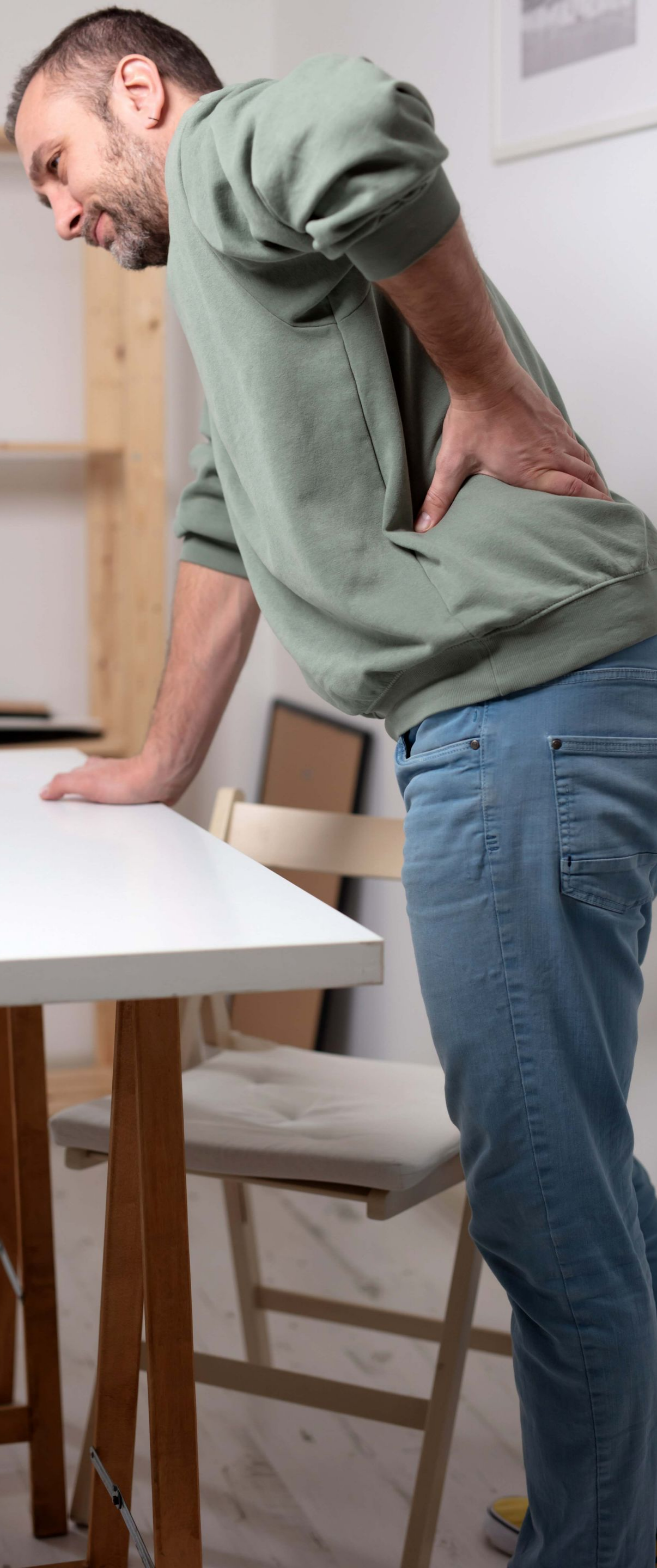
- Pain on one side of the lower back, near the dimples of the pelvis.
- Discomfort around the buttock or back of the hip.
- Pain extending into the upper thigh.
- Stiffness when getting up from a chair or bed.
- Discomfort when standing for extended periods.
- Pain when climbing stairs or walking.
- Difficulty rolling over in bed.
- Pain when bending, lifting or twisting.
Symptoms may feel sharp, catching or like a persistent dull ache.
SI joint pain can resemble lumbar disc pain, hip problems or nerve irritation.
Symptoms alone cannot confirm the SI joint is responsible.
What Causes SI Joint Pain and Pelvic Discomfort?
SI joint pain can develop following injury, repetitive movement, physical strain or changes in pelvic loading.
Several factors may contribute simultaneously, making professional assessment important.
Injury, Repetitive Movement and Physical Strain
Sudden movements, falls and repetitive activities can irritate the SI joint complex and surrounding ligaments.
Potential triggers include heavy lifting, awkward twisting, sports involving running or kicking, prolonged standing and repetitive bending.
Increasing exercise intensity too quickly or repeatedly placing weight through one side of the body may also aggravate symptoms in susceptible individuals.
Pregnancy and Changes in Pelvic Stability
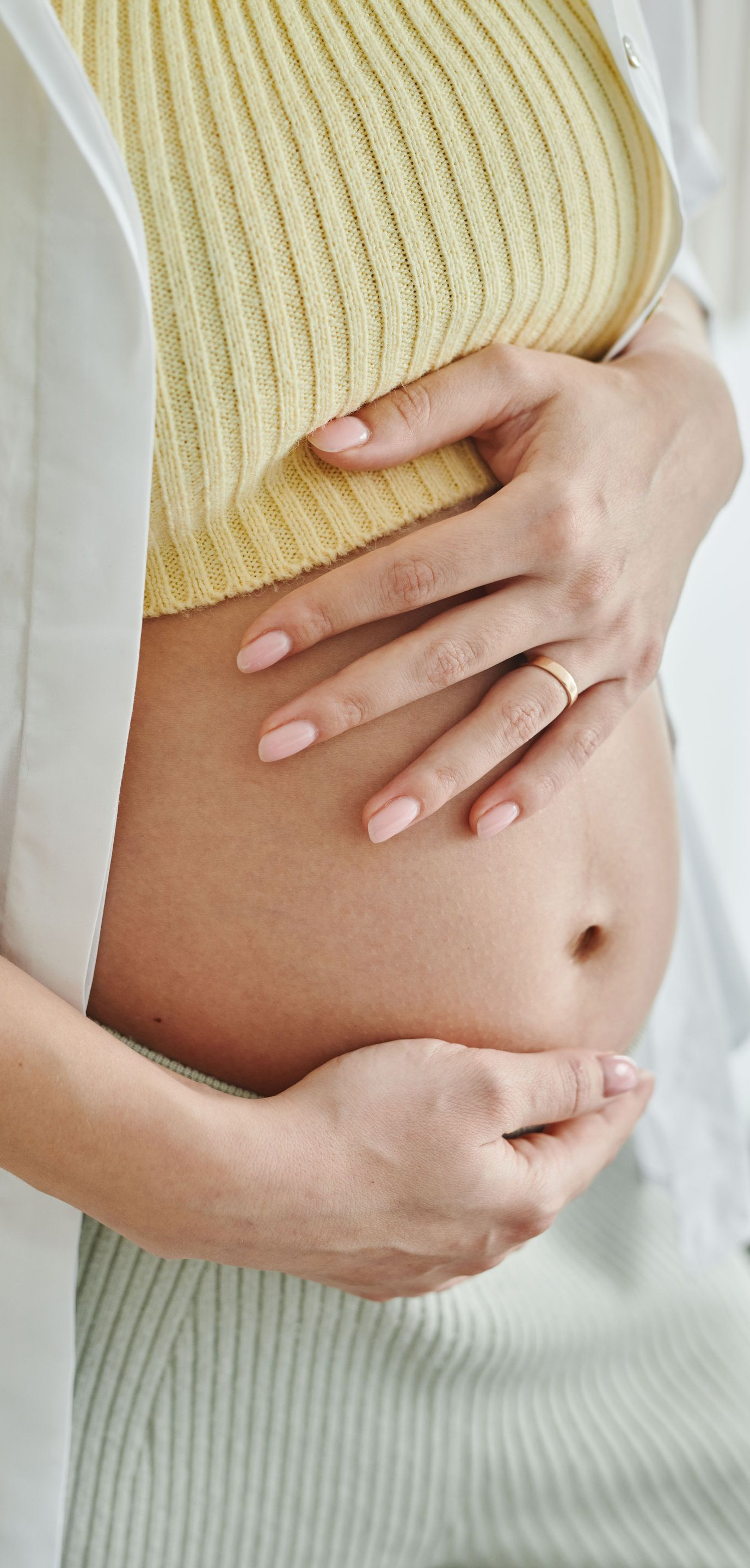
Pregnancy can contribute to pelvic discomfort through changes in body weight, posture, movement and ligament flexibility.
As pregnancy progresses, the pelvis experiences additional loading.
Changes in abdominal and pelvic muscle function may influence how forces are distributed.
Pregnancy-related pelvic girdle pain is not necessarily caused by the SI joint itself.
Assessment can help determine suitable treatment and management.
Muscle Imbalances and Reduced Pelvic Support
The muscles around the pelvis, hips and lower back help distribute forces and control movement.
Reduced strength, endurance or coordination in the gluteal and abdominal muscles may contribute to difficulties managing physical loads.
However, muscle weakness or imbalance should not automatically be assumed to cause SI joint pain.
An individual assessment is necessary.
Prolonged Sitting and Sedentary Habits
Extended sitting may aggravate SI joint region discomfort, particularly when combined with limited movement or physical activity.
Remaining in one position for too long can increase lower back and pelvic stiffness.
Regular movement breaks, comfortable positioning and gradually increasing activity may help improve mobility and reduce discomfort.
Previous Injuries and Underlying Conditions
Previous pelvic injuries, lumbar spine conditions, hip problems and inflammatory joint disorders can contribute to pain around the SI joint.
Some individuals develop symptoms following spinal surgery or significant trauma.
Because several conditions can produce similar symptoms, professional assessment is important before beginning treatment.
Chiropractic and Remedial Massage for SI Joint Pain
Treatment should focus on identifying the potential source of symptoms, improving movement and supporting functional recovery.
At Chiropractic On Winston, chiropractic care and remedial massage may be considered alongside exercise and movement advice.
Treatment should reflect individual symptoms, medical history and physical capabilities.
Chiropractic Assessment and Treatment
A chiropractor may assess lower back and pelvic movement, hip mobility, muscle tenderness, walking patterns and activities that aggravate symptoms.
Assessment may help identify whether the SI joint complex is a possible source of discomfort.
Other conditions, including lumbar spine and hip problems, should also be considered.
Depending on findings, treatment may involve appropriate manual therapy, gentle mobilisation, movement advice and exercise recommendations.
The goal is to manage symptoms and improve movement, not force the SI joint into a particular position or permanently realign the pelvis.
Remedial Massage for SI Joint Pain
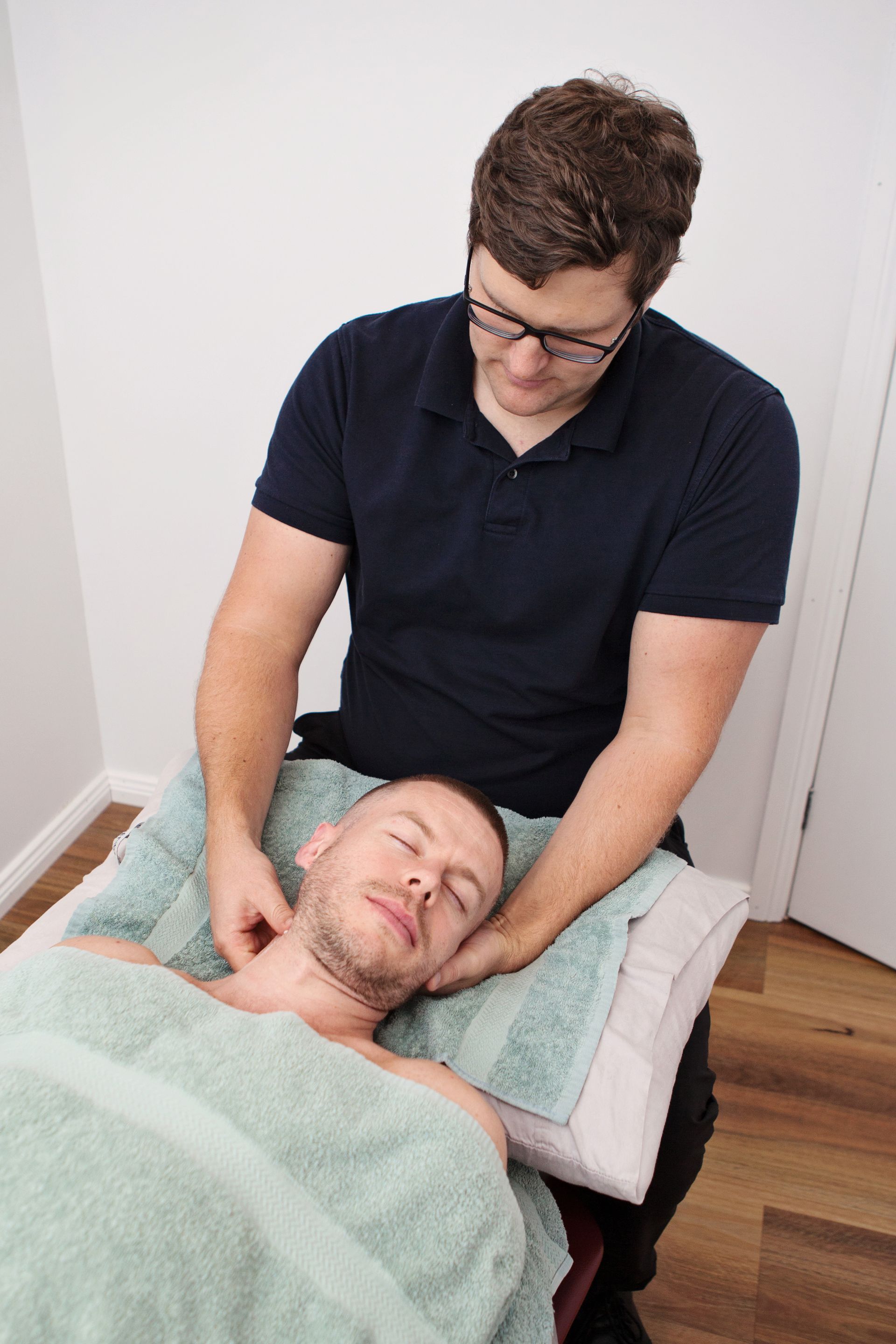
Remedial massage may help manage muscular discomfort and tension around the lower back, buttocks and hips.
Treatment may address the gluteal muscles, piriformis, quadratus lumborum, hip flexors and surrounding soft tissues.
Massage may support relaxation, reduce associated muscle discomfort and improve comfortable movement.
It does not directly reposition the SI joint or correct structural instability.
Pressure and techniques should be adapted to the individual's symptoms and tolerance.
Exercise, Rehabilitation and Movement Advice
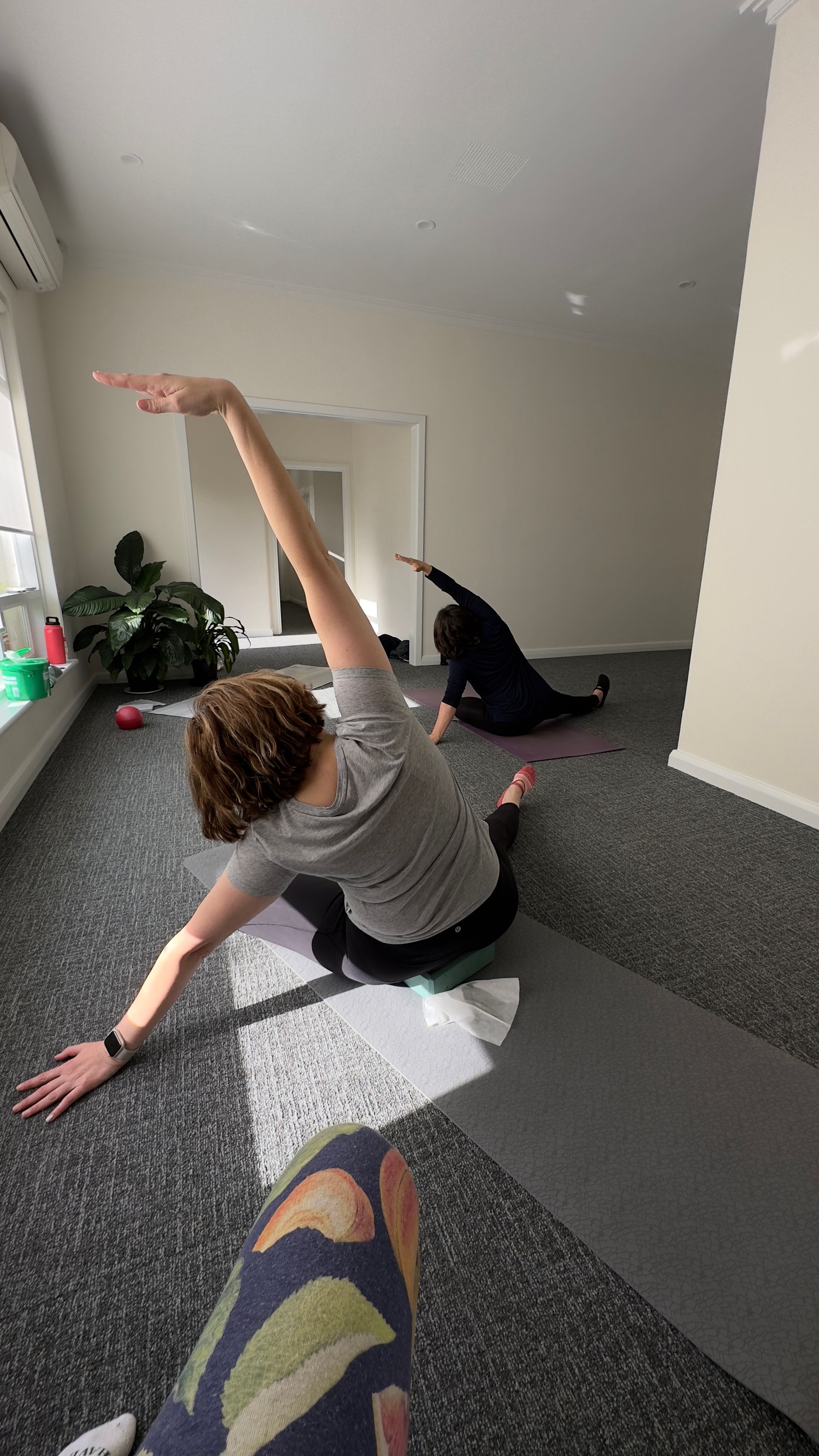
Long-term management may include exercises to improve hip and gluteal strength, abdominal endurance, pelvic control, balance and general conditioning.
A healthcare professional may recommend suitable strengthening and mobility exercises based on your physical capabilities.
Exercises should begin at an appropriate level and progress gradually.
The aim is to improve everyday movement and physical tolerance while reducing repeated symptom aggravation.
What to Do When SI Joint Pain Develops
If SI joint pain develops suddenly, avoid aggravating activities while maintaining comfortable movement.
Severe, persistent or unusual symptoms should be assessed professionally.
1. Modify Activities That Increase Pain
Temporarily reduce activities that significantly worsen symptoms, such as heavy lifting, repetitive twisting or high-impact exercise.
Avoid prolonged bed rest unless advised by a healthcare professional.
Gentle movement is generally preferable to extended inactivity.
2. Try Gentle Movement
Short walks and comfortable changes of position may help maintain mobility.
Avoid pushing through sharp or increasing pain.
Stop activities that significantly worsen symptoms or cause pain to spread.
3. Apply Heat or Cold if Comfortable
Some people prefer heat for stiffness, while others find cold packs helpful for short-term comfort.
Apply a wrapped heat or cold pack for approximately 15–20 minutes.
Avoid extreme temperatures directly against the skin.
4. Avoid Aggressive Stretching or Self-Manipulation
Forceful twisting, deep stretching or attempting to crack the pelvis may aggravate symptoms.
Repeatedly manipulating the SI joint yourself is not a reliable treatment strategy.
Seek professional advice about appropriate movement and treatment.
5. Arrange a Professional Assessment
If pain persists, frequently returns or interferes with daily activities, arrange an assessment with a healthcare professional.
Seek urgent medical care for new bladder or bowel control problems, saddle numbness, progressive leg weakness, significant trauma or fever with severe back pain.
Preventing SI Joint Pain and Supporting Pelvic Stability
Although SI joint pain cannot always be prevented, improving physical conditioning and managing activity levels may help reduce recurring discomfort.
Strengthen the Muscles Supporting the Pelvis
Exercises such as glute bridges, bird-dog movements, modified side planks and controlled sit-to-stand movements may help improve strength and movement control.
Exercise selection should reflect your physical ability and medical history.
Avoid exercises that significantly aggravate symptoms and seek professional guidance when necessary.
Improve Lifting and Movement Techniques
When lifting, keep loads close to your body, avoid twisting while carrying heavy objects and break heavier loads into manageable portions.
Use comfortable lifting techniques and ask for assistance when needed.
Changing positions regularly during repetitive work may help reduce excessive physical strain.
Avoid Sudden Increases in Exercise
Increasing running distances, gym weights or sporting intensity too quickly may place additional demands on the lower back and pelvis.
Increase activity gradually and allow adequate recovery between demanding sessions.
A balanced program combining strength, cardiovascular activity and mobility supports general physical health.
Maintain Regular Movement Throughout the Day
If you sit or stand for extended periods, take regular movement breaks.
Consider walking briefly, adjusting your workstation and changing positions throughout the day.
There is no single perfect posture for everyone.
Comfortable positioning and regular movement are generally more useful than maintaining a rigid posture.
Seek Early Advice for Recurrent Symptoms
Recurring SI joint region pain may indicate that the underlying problem requires further assessment.
A healthcare professional can investigate whether symptoms relate to the SI joint, lumbar spine, hip or another condition.
A personalised management plan may help improve function and reduce repeated flare-ups.
FAQ's - Frequently Asked Questions About SI Joint Pain Treatment In Adelaide
See all the answers below about SI joint pain treatment in Adelaide
What is SI joint pain?
SI joint pain refers to discomfort arising from the sacroiliac joint complex, located where the sacrum connects with the pelvis. Symptoms commonly affect the lower back, buttocks or pelvic region and may worsen with walking, standing or changing positions.
Can a chiropractor help with SI joint pain?
A chiropractor may assess SI joint region pain and offer individualised manual therapy, movement advice and exercise recommendations when appropriate. Chiropractic treatment is not a guaranteed solution, and evidence specific to SI joint pain remains limited. Assessment should also consider other possible causes.
Can remedial massage help SI joint pain?
Remedial massage may help relieve associated muscle tension and discomfort around the lower back, hips and buttocks. It does not directly reposition the SI joint but may support comfort and movement when included in an appropriate treatment plan.
How long does SI joint pain take to improve?
Recovery varies depending on the underlying cause, severity, duration and individual circumstances. Some people improve over days or weeks, while persistent or recurrent symptoms may require longer-term management and further assessment.
Is walking good for SI joint pain?
Gentle walking may help maintain mobility and reduce stiffness for some people. Start with comfortable distances and gradually increase activity. If walking significantly worsens your pain, seek professional advice.
What is the difference between SI joint pain and sciatica?
SI joint pain commonly affects the lower back and buttock region, sometimes extending into the upper thigh. Sciatica typically involves irritation of a nerve root and may produce pain travelling further down the leg, sometimes accompanied by tingling, numbness or weakness. Symptoms can overlap, so assessment is important.
Can SI joint pain occur during pregnancy?
Yes. Pregnancy-related changes in body weight, movement and ligament flexibility may contribute to pelvic girdle discomfort. Pregnancy-related pelvic pain can involve several structures, not just the SI joint. A pregnancy-informed healthcare professional can recommend appropriate management.
Should I rest completely when SI joint pain occurs?
Complete bed rest is generally not recommended for uncomplicated lower back pain. Modifying painful activities while maintaining gentle, comfortable movement may be more beneficial. Seek professional advice if symptoms are severe or persistent.
Can SI joint pain become chronic?
SI joint region pain can persist or recur in some individuals. Persistent symptoms may involve several contributing factors, including physical loading, associated conditions and movement limitations. Appropriate assessment and a progressive management plan may help improve function.
Can SI joint pain be prevented?
Not every episode can be prevented, but regular strengthening, gradual exercise progression, sensible lifting techniques and frequent movement breaks may help reduce the likelihood of recurring symptoms.
At Chiropractic On Winston, we’re committed to helping you regain a pain free life.
Contact us today to start your journey toward lasting SI joint pain relief in Adelaide.