

CHIROPRACTIC AND REMEDIAL MASSAGE FOR JAW PAIN (TMJ DISORDER) IN ADELAIDE

Jaw pain can make everyday activities such as eating, speaking, yawning and even smiling uncomfortable.
For some people, the discomfort is occasional, while others experience persistent jaw tension, clicking, headaches or difficulty opening their mouth.
Temporomandibular joint disorder, commonly called TMJ disorder or TMD, refers to problems affecting the jaw joints, the muscles surrounding them, or both.
The temporomandibular joints connect the lower jaw to the skull and allow the jaw to move when chewing, speaking and swallowing.
At Chiropractic On Winston, chiropractic care and remedial massage may form part of a broader approach.
Managing muscular tension and related musculoskeletal factors associated with jaw discomfort.
Treatment is tailored to the individual, with referral to a dentist, GP or other appropriate health professional when symptoms suggest that further assessment is required.
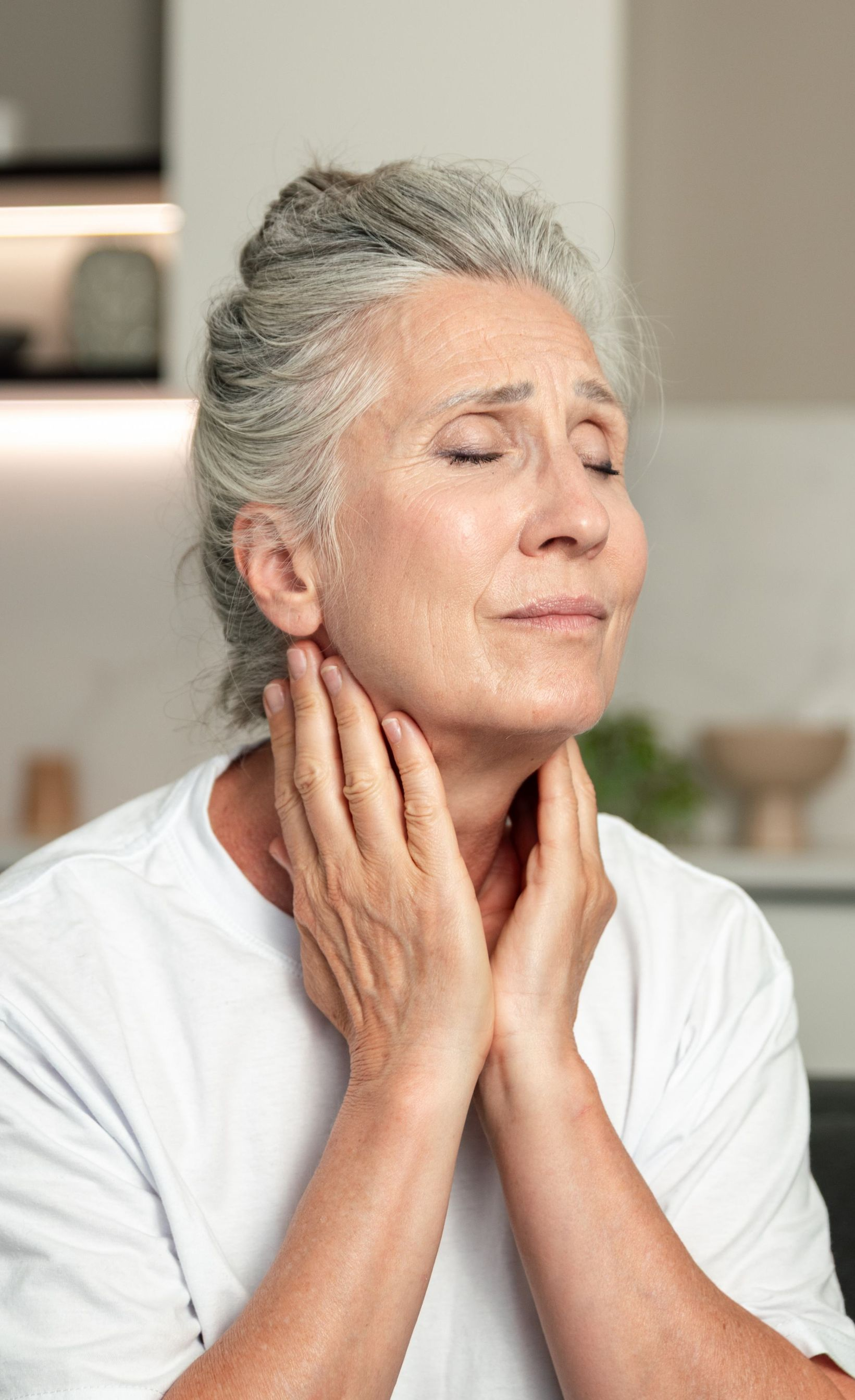
Jaw pain can develop for several different reasons.
Some people notice pain directly around the jaw joint, while others experience symptoms in the cheek, temples, ears, neck or shoulders.
Common symptoms associated with TMJ disorder can include:
- Jaw pain or tenderness
- Pain when chewing
- Pain around or in front of the ear
- Clicking, popping or grating sensations
- Jaw stiffness
- Difficulty opening or closing the mouth
- A feeling that the jaw is locking
- Facial muscle tension
- Temple or headache discomfort
- Neck and shoulder tension
- Changes in the way the bite feels
Not everyone with clicking or popping has a painful TMJ disorder.
However, persistent pain, significant restriction of jaw movement or locking should be assessed rather than ignored.
TMJ symptoms can also become more noticeable during periods of stress, particularly when a person unconsciously clenches their jaw or grinds their teeth.
There is rarely one single cause of jaw pain.
TMJ disorder can involve the jaw joint itself, the muscles controlling jaw movement, or a combination of factors.
Potential contributing factors include jaw or head injuries, teeth grinding, jaw and clenching.
Changes affecting the bite, joint wear and tear, arthritis and dental issues. In some cases, there may be no obvious cause.
Repeated clenching can place considerable demand on the muscles used for chewing.
Teeth grinding, particularly during sleep, can also contribute to jaw muscle fatigue, facial discomfort and TMJ symptoms.
Stress and anxiety can be associated with increased jaw clenching and teeth grinding.
Some people may not realise they are clenching until they begin experiencing morning jaw soreness, headaches or facial tension.
Reducing unnecessary jaw tension is therefore an important part of managing recurring symptoms.
Simple habits can help, including keeping the jaw relaxed when not eating.
Avoid prolonged gum chewing and becoming aware of situations where you hold your teeth tightly together.
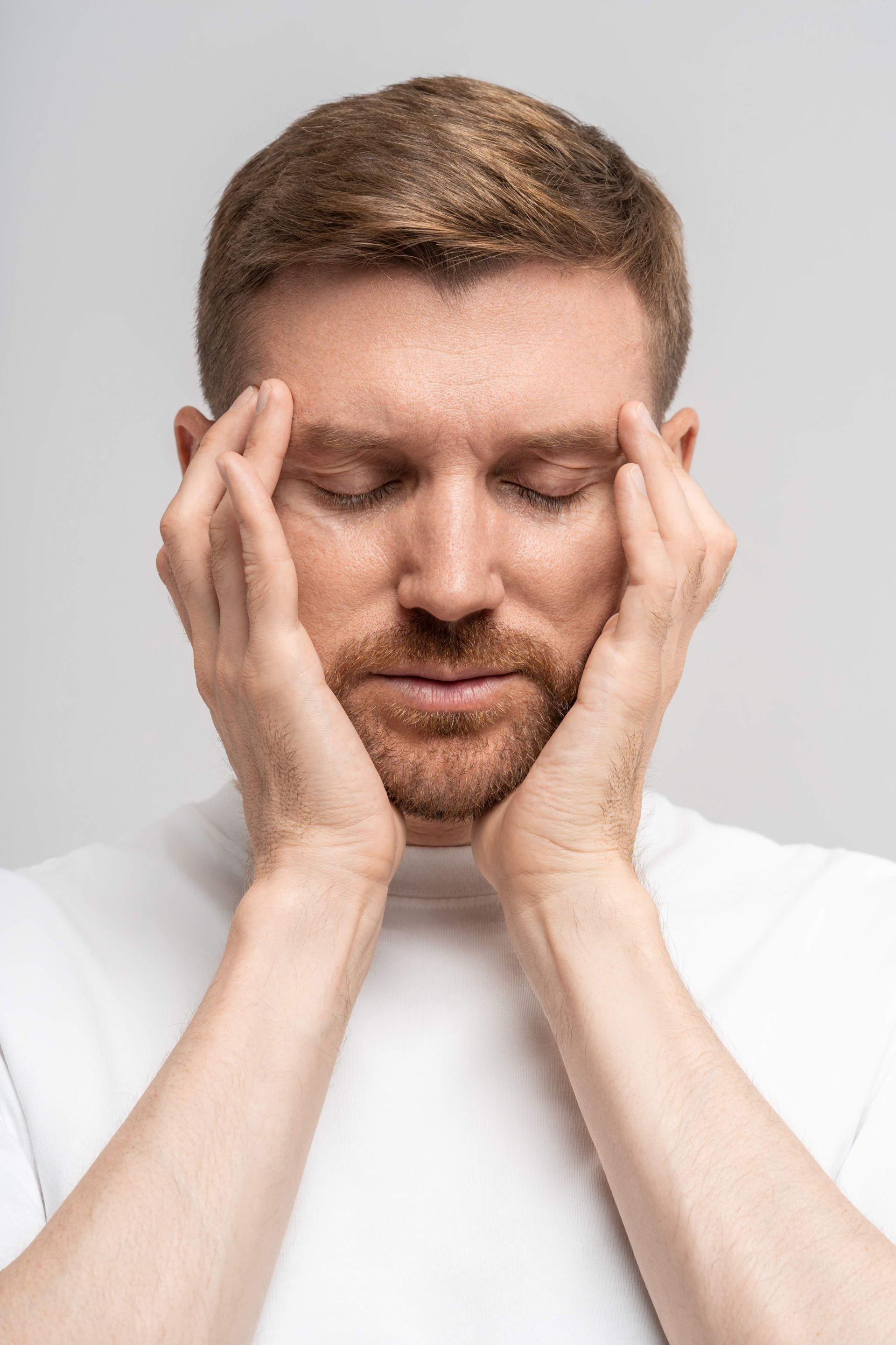
The jaw does not function in isolation. Muscles and joints throughout the head, neck and upper body contribute to posture and movement.
Prolonged desk work, sustained screen use, forward-head positioning and muscular tension through the neck and shoulders may contribute to overall upper-body tension.
For some people, addressing these associated areas may form part of a broader musculoskeletal management strategy.
This does not mean that poor posture is the sole cause of TMJ disorder.
Jaw pain has many possible causes, so an individual assessment is important before deciding which treatment approach is appropriate.
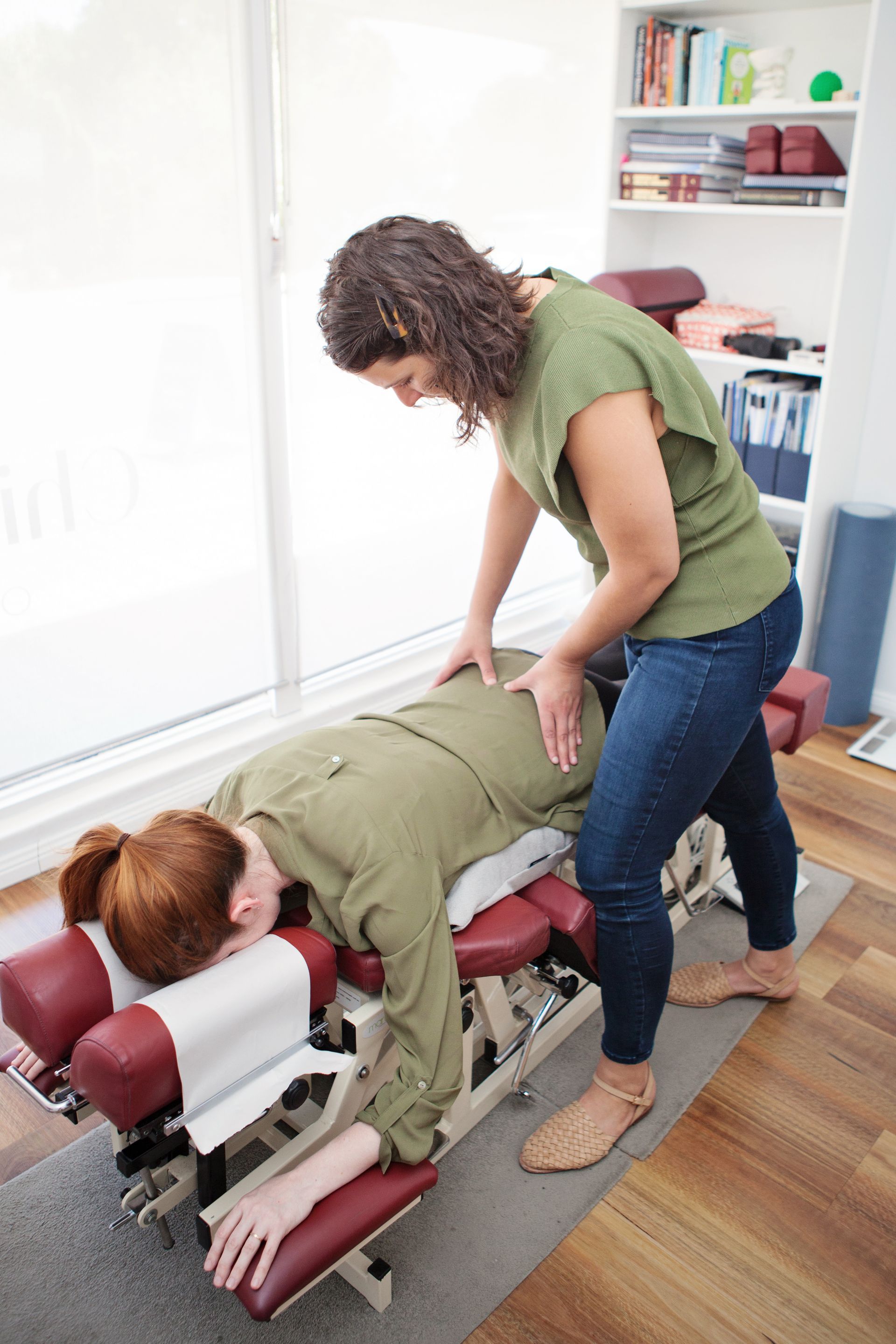
Chiropractic care at Chiropractic On Winston may focus on the musculoskeletal factors that can accompany jaw discomfort, particularly tension or dysfunction involving the neck, upper back and surrounding muscles.
A chiropractor may assess movement, posture, muscular tension and the relationship between different areas of the musculoskeletal system before developing an appropriate care plan.
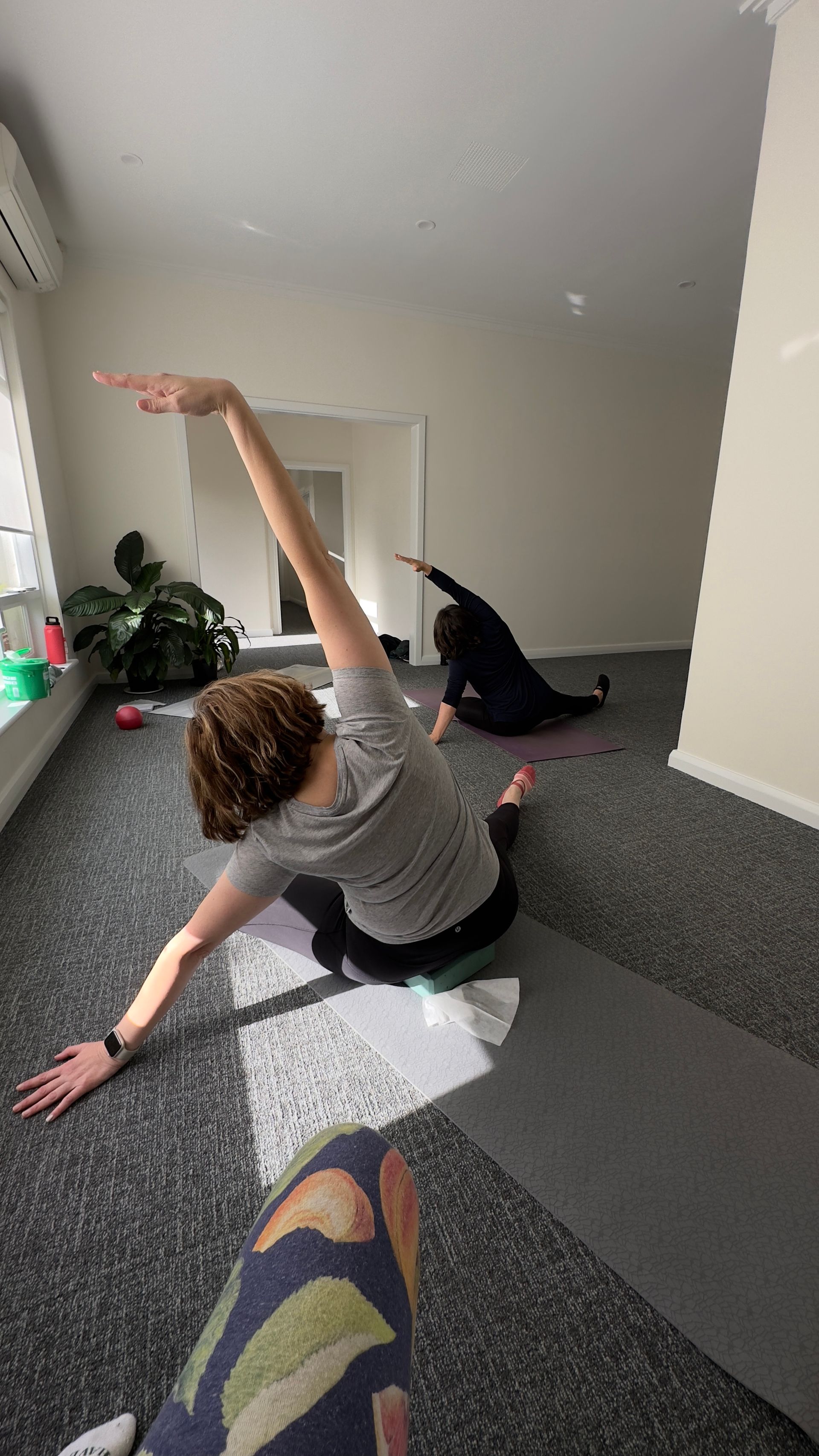
Treatment may include manual therapy, soft tissue techniques, mobility work, exercise advice and education around posture and movement.
Importantly, chiropractic treatment is not intended to replace dental or medical assessment when the underlying cause of jaw pain may involve the teeth, jaw joint, inflammatory disease, significant injury or another condition requiring specialist care.
Supporting Jaw, Neck and Upper Body Function
Depending on the presentation, treatment may address areas such as:
- Neck and upper-back mobility
- Shoulder and upper-body tension
- Muscular restrictions
- Postural habits
- Movement patterns
- General musculoskeletal tension
The goal is to develop an individualised approach rather than assuming every case of jaw pain has the same underlying cause.
A chiropractor should also consider whether treatment is appropriate or whether another health professional should assess the jaw first.
Accurate diagnosis and appropriate referral are particularly important when symptoms are persistent, severe or unusual.
Remedial Massage for Jaw and Related Muscle Tension
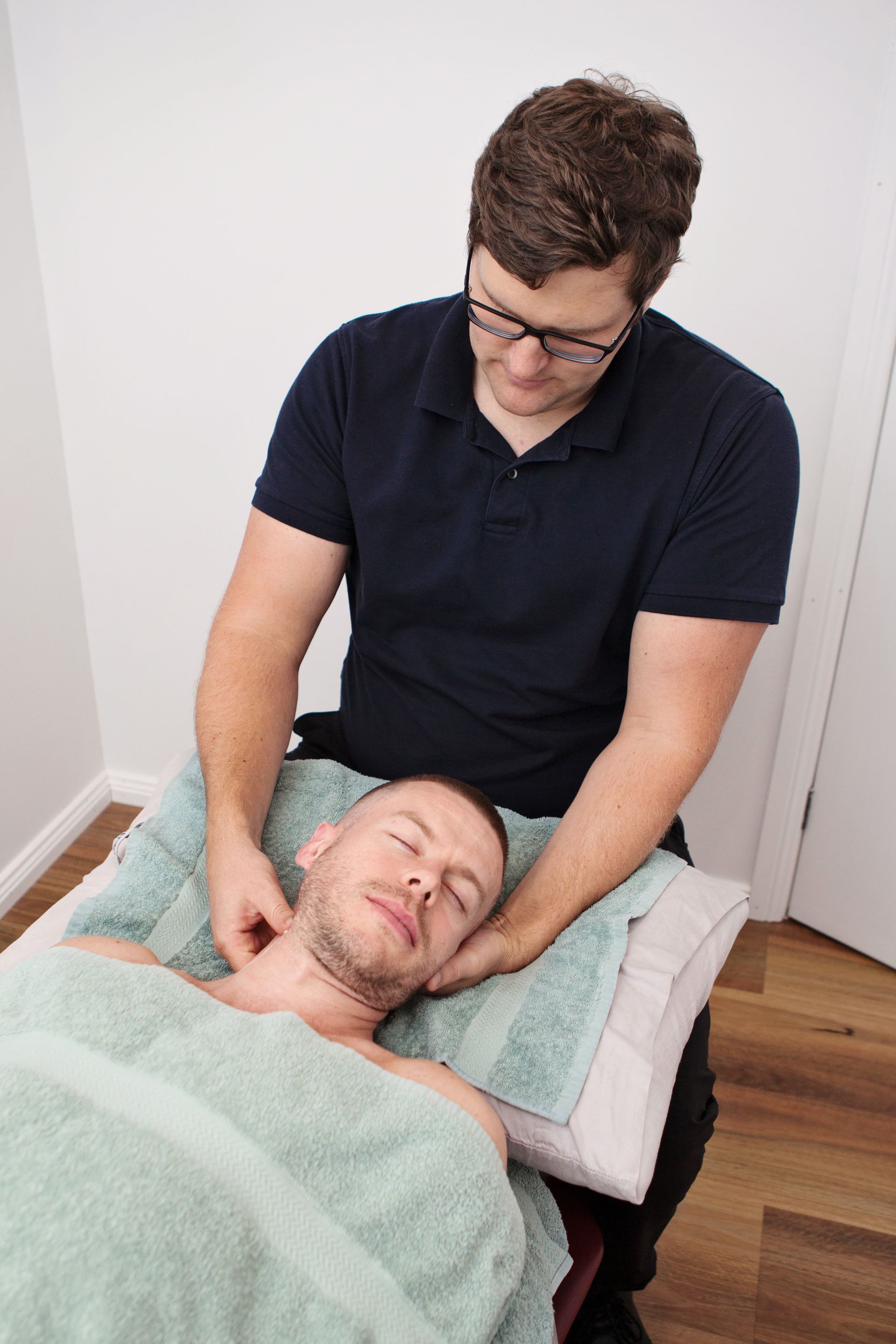
Remedial massage may be useful when muscular tension contributes to discomfort around the jaw, face, neck or shoulders.
- Depending on the individual's presentation, a remedial massage therapist may work on relevant muscle groups around the neck, shoulders and upper back, as well as appropriate areas associated with jaw movement.
- The purpose is to help reduce muscular tension and support comfortable movement. Massage should be performed appropriately and should not aggravate an inflamed, injured or otherwise unsuitable area.
- For TMJ disorder, conservative management can include self-care, exercises and physical approaches such as massage or muscular relaxation, depending on the individual diagnosis and presentation.
If jaw pain suddenly develops, avoid repeatedly testing the joint or forcing the mouth open to see whether it still hurts.
Instead, consider the following practical measures:
Reduce jaw loading:
Choose softer foods temporarily and cut food into smaller pieces if chewing is uncomfortable.
Avoid excessive opening:
Avoid very wide yawning, large bites and activities that require prolonged mouth opening.
Stop gum chewing:
Repetitive chewing can increase the workload placed on the jaw muscles.
Become aware of clenching:
Try to notice when your teeth are being held together unnecessarily.
Use appropriate heat or cold:
Depending on the symptoms, a heat or cold pack may provide temporary comfort. A protective layer should be used between the pack and skin.
Maintain gentle movement:
Avoid completely immobilising the jaw unless advised by an appropriate health professional. Gentle, appropriate movement may help maintain function.
Consider dental assessment:
If teeth grinding, bite changes or dental problems may be involved, a dentist can assess these factors and determine whether a mouthguard or other dental treatment is appropriate.
Seek professional assessment:
Persistent or recurring jaw pain should be assessed to determine the likely cause and most appropriate treatment.
How to Reduce the Risk of Recurring Jaw Pain
There is no guaranteed way to prevent every case of TMJ disorder, particularly when symptoms are associated with injury, arthritis or other underlying conditions.
However, several everyday strategies may reduce unnecessary stress on the jaw.
Keep the Jaw Relaxed
When you are not eating or speaking, avoid habitually holding your teeth tightly together.
Becoming more aware of jaw tension throughout the day can help identify clenching habits.
Manage Teeth Grinding
If you grind your teeth during sleep, speak with a dentist about appropriate management.
A professionally designed mouthguard may be recommended in some circumstances.
Avoid Excessive Chewing
Frequent gum chewing and other repetitive chewing activities can increase the workload on the jaw muscles.
Look After Neck and Upper-Body Mobility
Regular movement, appropriate exercise and good working habits can help maintain comfortable movement throughout the neck and upper body.
Manage Stress and Sleep
Stress may contribute to clenching and muscle tension.
Relaxation strategies, regular physical activity and healthy sleep routines can form part of an overall approach to managing jaw tension.
Address Symptoms Early
Do not continually push through worsening jaw pain.
Early assessment may help identify contributing factors before symptoms become persistent.
If jaw pain does not improve after several weeks, becomes increasingly severe or begins interfering with eating or normal jaw movement, professional assessment is recommended.
Jaw pain can affect far more than the jaw itself.
Tension around the face, neck and shoulders can influence comfort during eating, speaking, sleeping and everyday activities.
If you are experiencing jaw pain, TMJ symptoms, facial muscle tension or associated neck and shoulder discomfort.
Chiropractic On Winston can assess the musculoskeletal aspects of your presentation and discuss appropriate chiropractic or remedial massage care.
For symptoms involving the teeth, bite, significant jaw locking, injury or other concerns, assessment by a dentist, GP or appropriate medical specialist may also be necessary.
The aim is to understand the factors contributing to your symptoms and develop an appropriate approach to improving comfort, movement and day to day function.
FAQ's - Frequently Asked Questions About Jaw Pain Treatment In Adelaide
See all the answers below about jaw pain treatment in Adelaide
What is TMJ disorder?
TMJ disorder, also called temporomandibular disorder or TMD, refers to problems involving the temporomandibular joints, the muscles around the jaw, or both. Symptoms may include jaw pain, clicking, difficulty opening the mouth and locking.
Can a chiropractor help with jaw pain?
A chiropractor may help address associated musculoskeletal factors such as neck, upper-back and muscle tension when appropriate. Chiropractic care should be based on an individual assessment and is not a replacement for dental or medical assessment where these are required.
Can remedial massage help TMJ pain?
Remedial massage may help when muscular tension contributes to jaw-related discomfort. Treatment may focus on appropriate muscles around the neck, shoulders and upper body, with techniques selected according to the individual's symptoms and presentation.
Why does my jaw hurt when I chew?
Pain during chewing can occur when the jaw joint or surrounding muscles are irritated or overloaded. TMJ dysfunction, teeth grinding, clenching, dental problems, injury and other conditions can contribute to jaw pain. Persistent chewing pain should be professionally assessed.
Is jaw clicking a sign of TMJ disorder?
Clicking or grating can occur with TMJ dysfunction, but clicking alone does not necessarily mean that treatment is required. If clicking is accompanied by pain, locking, restricted movement or difficulty eating, assessment is recommended.
What should I avoid if I have jaw pain?
Avoid activities that aggravate the jaw, including gum chewing, excessive mouth opening, biting nails, very large bites and unnecessary jaw clenching. Softer foods and smaller pieces may temporarily reduce strain while symptoms settle.
Should I see a dentist or chiropractor for jaw pain?
It depends on the likely cause. Dental problems, changes in your bite, teeth grinding and some jaw-joint conditions may require dental assessment. A chiropractor may be appropriate when musculoskeletal factors are involved. In some cases, coordinated care between health professionals may be most suitable.
When should jaw pain be assessed urgently?
Seek urgent medical attention if jaw symptoms occur with serious symptoms such as difficulty eating or drinking, significant injury, vision problems or severe and frequent headaches. A jaw that appears dislocated or cannot return to a normal position requires prompt medical assessment.
Can TMJ disorder go away by itself?
Many cases of TMJ dysfunction improve over time, particularly when aggravating factors are reduced. However, persistent or worsening symptoms should not simply be ignored. An appropriate health professional can help determine the cause and recommend suitable management.
How can Chiropractic On Winston help with jaw-related discomfort?
At Chiropractic On Winston, chiropractic and remedial massage care can be considered as part of an individualised approach where musculoskeletal factors may be contributing to jaw discomfort. Your practitioner can assess relevant areas and discuss whether treatment is appropriate or whether referral to another health professional is recommended.
At Chiropractic On Winston, we’re committed to helping you regain a pain free life.
Contact us today to start your journey toward lasting jaw pain relief in Adelaide.